How to start the arcade machine shooting games business ?

- Market Overview of Arcade Shooting Games
- Industry trends and demand drivers
- Customer segments and ideal locations
- Business Models & Revenue Streams
- Pay-per-play (coin-op) and digital payments
- Redemption & prize-based revenue
- FECs, location-hosted revenue sharing, and events
- Equipment Selection & Supply Chain
- Choosing the right shooting machine: mechanics and player experience
- Sourcing: OEM/ODM, compliance, and quality assurance
- Maintenance, spare parts, and lifecycle planning
- Launch Plan: Site, Operations & Marketing
- Site layout, safety and accessibility
- Marketing, promotions & community engagement
- KPIs to monitor and scale
- Financial Planning & Legal Considerations
- Estimating startup costs and cash flow
- Legal, permits & age-restrictions
- Insurance and liability
- Conclusion
- FAQ
- How much does a shooting arcade machine cost?
- Do I need special permits for redemption games?
- Is it better to buy new or used machines?
- How can I reduce downtime and maintenance costs?
- Where can I get reliable manufacturing partners?
Guangzhou Colorful Park Animation Technology Co., Ltd., a Guangzhou-based manufacturer with a 5,000 m² ISO9001-certified production base and customers in over 100 countries, offers this practical guide to starting an arcade machine shooting games business. This article explains market positioning, equipment types (light-gun, laser, VR shooting), revenue models (coin-op, redemption, FEC), sourcing and compliance (CE, ISO), operational budgeting, and go-to-market tactics to help you launch and scale profitable shooting-game operations.
Market Overview of Arcade Shooting Games
Industry trends and demand drivers
Shooting arcade machines remain a staple in family entertainment centers (FECs), amusement arcades, bowling alleys, malls, and standalone arcades. Demand drivers include: family-oriented entertainment seeking shared social experiences, the rise of experiential retail and FECs, and the resurgence of arcades as locations for group entertainment and parties. Additionally, technology upgrades—LED displays, realistic sound, motion seats, and networked leaderboards—improve replay value and attract repeat customers.
For authoritative context on the arcade game category and its evolution, see the Arcade Game overview on Wikipedia.
Customer segments and ideal locations
Primary customer segments for shooting games are:
- Families with children (ages 6–14)
- Teenagers and young adults seeking social experiences
- Casual gamers and tourists at malls and entertainment districts
- Event organizers booking company parties and birthday events
Prime locations: high-footfall malls, FECs, cinema lobbies, tourist attractions, bowling alleys, and family restaurants. Location choice directly affects pricing strategy (coin-op vs. unlimited play passes) and machine mix.
Business Models & Revenue Streams
Pay-per-play (coin-op) and digital payments
Pay-per-play remains the most straightforward model. Modern machines accept coins, notes, or cashless payments (QR, NFC). Advantages: predictable per-play revenue and easy tracking. Consider dynamic pricing: higher per-play rates during peak hours or offering bundle packs (e.g., 5 plays for one discounted price).
Redemption & prize-based revenue
Redemption shooters reward tickets or points that customers exchange for prizes—this can increase dwell time and average spend per visit. Redemption machines often pair well with kiddie and family attractions. Prize strategy (low-value high-volume vs. high-value experiential prizes) affects margins and customer appeal.
FECs, location-hosted revenue sharing, and events
In a Family Entertainment Center (FEC) or entertainment zone, shooting machines are typically part of a revenue mix with food & beverage and parties. Revenue-sharing agreements with location hosts (e.g., 60/40 split) or guaranteed minimum rents are common. Hosting tournaments, birthday packages, or corporate events increases off-peak revenue.
| Model | Typical CAPEX per machine | Advantages | Typical Payback |
|---|---|---|---|
| Coin-op shooting (new) | Approx. US$3,000–12,000* | Simple operations, steady per-play income | 6–24 months (location dependent) |
| Redemption shooter | Approx. US$4,000–15,000* | Higher dwell time, repeat plays | 8–30 months |
| VR / motion shooting simulator | Approx. US$15,000–60,000* | High Quality pricing, higher FEC value | 12–36 months |
*Ranges are approximate and depend on brand, features, and OEM/ODM options. Exact costs should be verified with manufacturers and suppliers.
Equipment Selection & Supply Chain
Choosing the right shooting machine: mechanics and player experience
Common shooting game types:
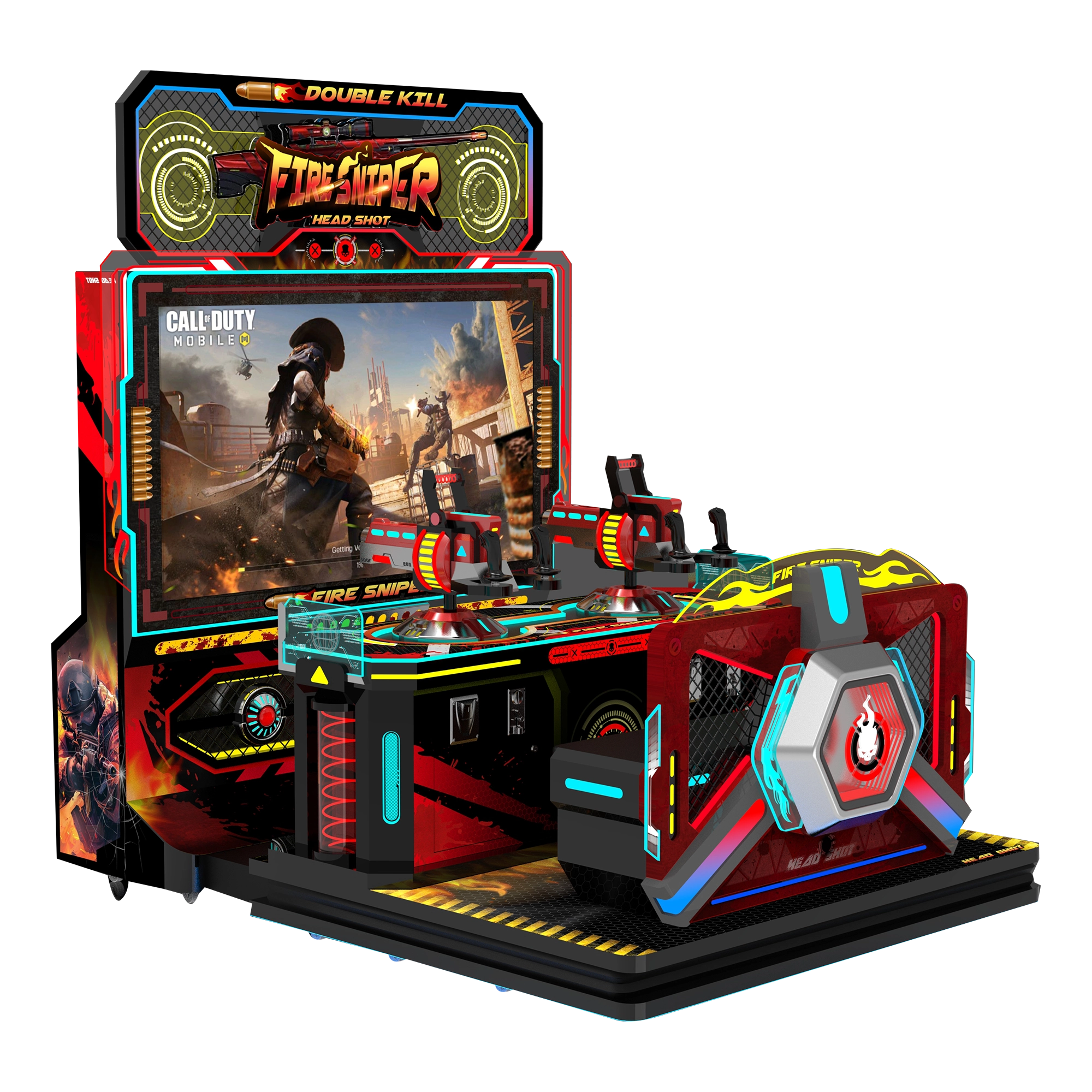
- Light-gun/video shooters: Classic light-gun or sensor-based systems tied to a screen; suitable for quick plays and classic arcade feel.
- Laser/infrared sensors: Durable for high-use public environments; lower maintenance than mechanical guns.
- Motion-simulator or VR shooters: High Quality experience with higher ticket prices—great for FEC anchor attractions.
- Redemption shooting gallery: Integrated ticket dispensers and prize cabinets; designed to maximize repeat play.
When selecting equipment, prioritize reliability (MTBF), parts availability, local serviceability, and modularity for future upgrades.
Sourcing: OEM/ODM, compliance, and quality assurance
Sourcing options:
- OEM purchase of branded machines: Faster market entry but higher cost.
- ODM/custom solutions: Tailored features, exclusive branding, and flexible pricing—ideal for operators who want unique attractions.
Work with suppliers who provide compliance documentation and after-sales support. Key certifications to look for include ISO 9001 quality management and regional safety/EMC compliance such as CE marking for Europe. See ISO 9001 information at ISO and CE marking overview at the European Commission.
Maintenance, spare parts, and lifecycle planning
Plan for preventive maintenance and stock critical spare parts (power supplies, sensors, guns, PCBs, displays). Establish a service SLA with a local technician or the manufacturer. Typical annual maintenance cost is 5–15% of machine CAPEX depending on usage intensity. For networked machines, include firmware and security update procedures in your supplier contract.
Launch Plan: Site, Operations & Marketing
Site layout, safety and accessibility
Factors for site layout:
- Visibility from anchors (mall corridor, entrance)
- Clear sightlines and queuing space to prevent congestion
- Power and network access; ensure dedicated circuits for high-power machines
- Safety: anti-trip flooring, gun retention tethers where needed, age-appropriate signage
Comply with local safety regulations for public amusements—consult local authorities and your manufacturer for guidance on electrical and structural standards.
Marketing, promotions & community engagement
Effective tactics:
- Grand opening with free-play hours and prize giveaways
- Social media content highlighting high scores, tournaments, and parties
- Partnerships with nearby businesses for cross-promotion (cinemas, family restaurants)
- Loyalty programs or membership passes for repeat customers
Tournaments and league play for teens and adults build community and recurring visits. Use email and SMS to notify players of events and promotions.
KPIs to monitor and scale
Key performance indicators:
- Plays per machine per day
- Average revenue per visit (ARPV)
- Redemption conversion rate (tickets to prize)
- Customer acquisition cost (CAC) from promotions
- Machine uptime (%) and maintenance cost per play
Regularly review KPI trends and reconfigure floor layout, pricing, and machine mix to maximize revenue per square meter.
Financial Planning & Legal Considerations
Estimating startup costs and cash flow
Startup cost categories:
- Machines and initial prize stock (largest CAPEX)
- Site fit-out (flooring, power, signage)
- Licenses, permits, and insurance
- Staffing and training
- Marketing and working capital
Create a 12–24 month cash flow model. Conservative forecasting assumes lower footfall in months 1–3 and gradual growth as marketing and word-of-mouth build. Include capital reserves for unforeseen repairs and replacement parts.
Legal, permits & age-restrictions
Check local regulations for amusement operations—permits often cover business license, fire safety inspection, and electrical safety. Some regions have specific rules around prize redemption (anti-gambling laws); consult local counsel to ensure your prize strategy complies with regulations.
Insurance and liability
Essential policies: general liability, public liability, property insurance (including coverage for machines), and employers’ liability if hiring staff. For events and tournaments, confirm whether additional event insurance is needed.
Conclusion
Starting an arcade machine shooting games business requires a mix of strategic site selection, the right machine mix, robust supplier partnerships, and ongoing marketing to build repeat customers. Focus on reliable equipment (with ISO and regional compliance), an engaging customer experience (gameplay, prizes, events), and a clear financial plan. Partnering with an experienced manufacturer and supplier who offers OEM/ODM options, lifetime technical support, and compliance documentation will reduce operational risk and speed up launch.
FAQ
How much does a shooting arcade machine cost?
Costs vary by type and features. Basic coin-op machines can start from a few thousand USD; redemption and VR/motion systems are higher. Exact pricing depends on manufacturer, custom options, and certification. Confirm current prices with suppliers—Guangzhou Colorful Park offers a range of models and OEM/ODM customization.
Do I need special permits for redemption games?
Possibly. Some jurisdictions treat certain prize-based games differently and may impose restrictions or require permits. Always consult local authorities or legal counsel to ensure compliance with local gaming and prize laws.
Is it better to buy new or used machines?
New machines offer warranty, modern features, and longer life; used machines lower initial CAPEX but may incur higher maintenance costs. A mixed approach—anchor attractions new, secondary machines used—can balance cost and appeal.
How can I reduce downtime and maintenance costs?
Plan preventive maintenance schedules, keep critical spare parts in inventory, train staff on basic troubleshooting, and secure a service agreement with your manufacturer. Choose machines with modular components for easier replacement.
Where can I get reliable manufacturing partners?
Work with suppliers that provide certifications (ISO9001, CE), transparent warranty and parts policies, and proven after-sales support. Industry associations such as IAAPA provide useful supplier directories and trade events for vetting partners.
If you’d like a tailored equipment and layout proposal, contact Guangzhou Colorful Park Animation Technology Co., Ltd. for OEM/ODM options and lifetime support at kate@colorfulparkgame.com.
References: ISO 9001 information: https://www.iso.org/iso-9001-quality-management.; CE marking: https://ec.europa.eu/growth/single-market/ce-marking_en; Arcade game background: https://en.wikipedia.org/wiki/Arcade_game; Industry association: https://www.iaapa.org/.
Contact us to get started: kate@colorfulparkgame.com.
Wholesale ticket redemption game machine manufacturer and supplier
Top 10 redemption game machine Manufacturers and Supplier Brands
Top 10 soft indoor playground equipment Manufacturers and Supplier Brands
Wholesale kids soft play manufacturer and supplier
FAQ
FAQs
Can I see a demo of your products?
Yes, we offer product demos at our headquarters or during trade shows. You can also request a virtual demo if visiting in person isn’t feasible.
What types of products do you offer?
We offer a wide range of mobile gaming solutions, including arcade machines, motion simulators, redemption games, kiddie rides, and customized gaming solutions for various entertainment venues.
What is the lead time for product orders?
The lead time typically ranges from 7 to 15 days for prototypes, and 30 to 60 days for bulk orders, depending on the product and customization requirements.
Do you provide after-sales support?
Yes, we provide comprehensive after-sales support including installation, troubleshooting, and technical assistance for the entire lifecycle of the product.
Can I customize the arcade machines?
Yes, we offer both OEM and ODM services, allowing you to customize game machines to match your brand, theme, or specific requirements.
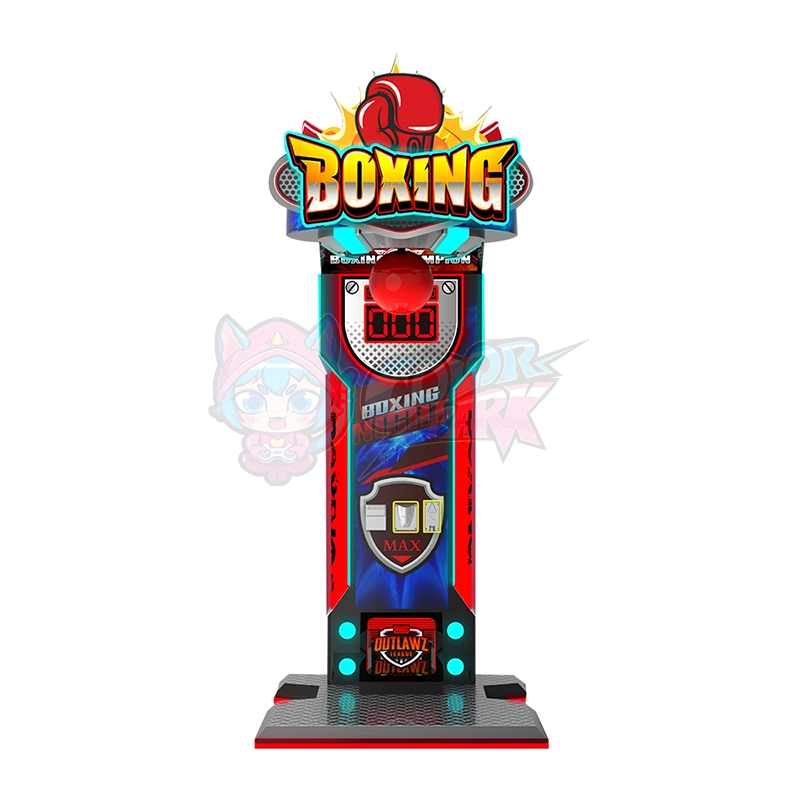
new customized logo good quality boxing arcade machine coin operated boxes game boxing machine music boxing machine
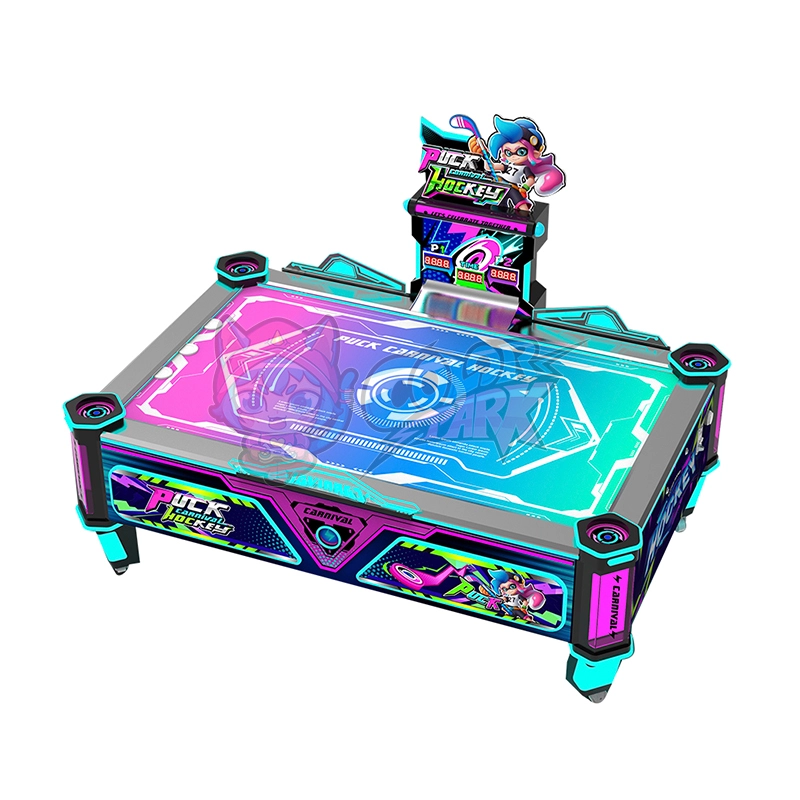
Hot selling indoor amusement ride coin-operated arcade machine new design air hockey 2026
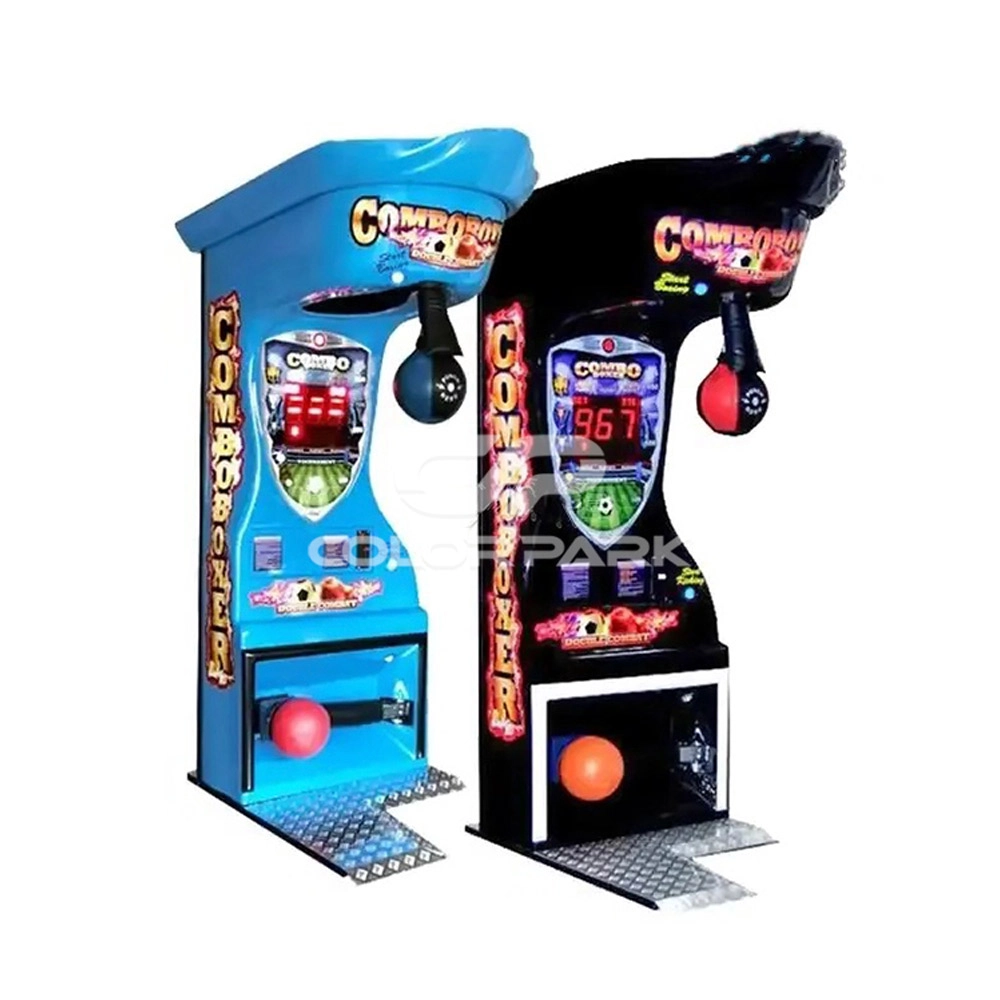
kick and Boxing Machine
Travel Around The World Racing Game Machine
Looking for More Insights? Reach Out to Us for Clarity.
Colorful Park
Colorful Park
Colorful Park
Colorful Park
Whatsapp: +8613538150631