
How to start the arcade machine shooting games business ?

- Why arcade entertainment still wins: market outlook and trends
- Current demand drivers
- Technology and product trends
- Types of customers and locations
- Plan your business model and financials
- Choose a clear revenue model
- Cost components and capital assumptions
- Sample ROI scenarios (conservative to aggressive)
- Product selection, supplier evaluation, and operations
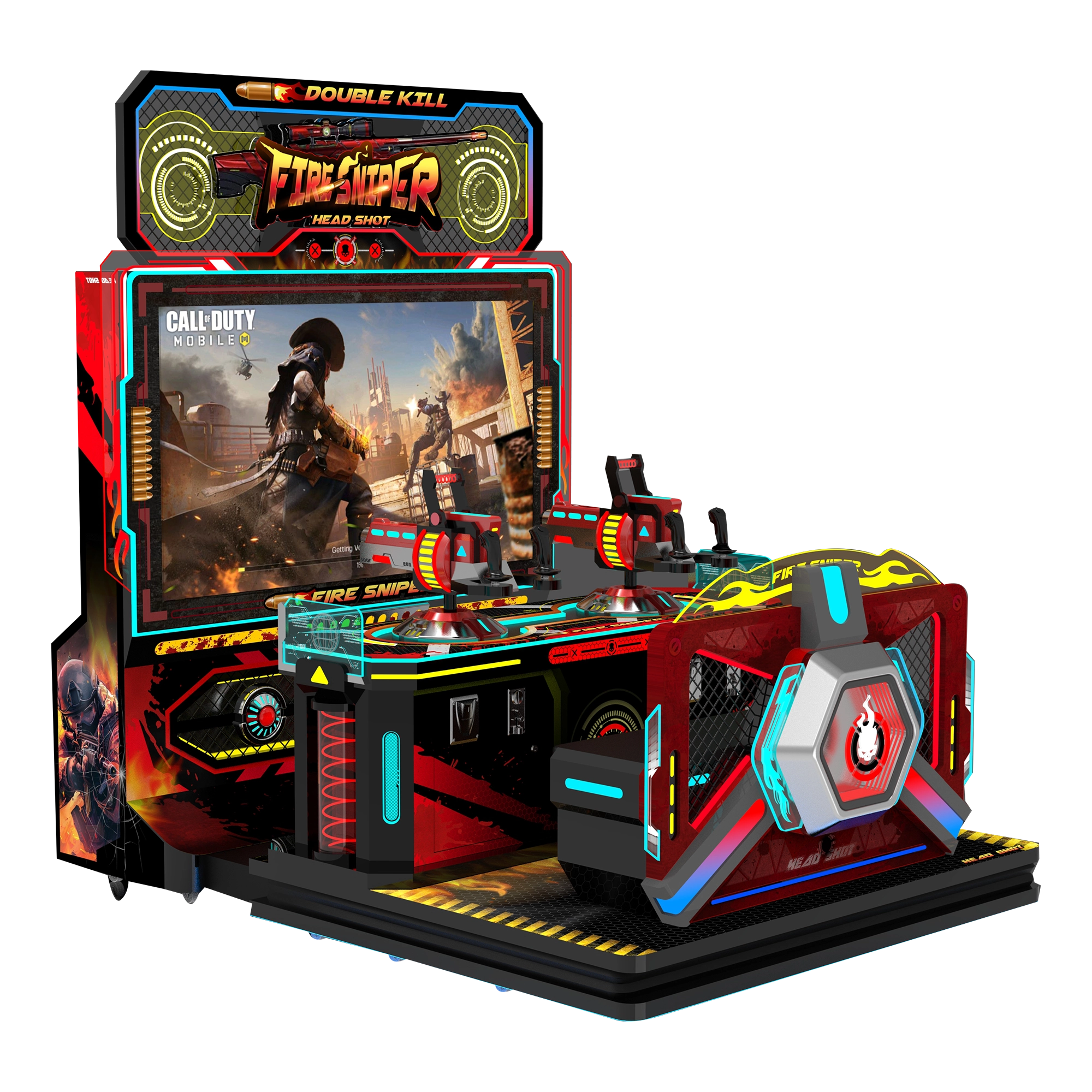
- Picking the right shooting machines
- How to evaluate suppliers
- Inventory, spare parts, and maintenance planning
- Location strategy, compliance, and launch tactics
- Choosing the right site and negotiation tips
- Safety, accessibility and legal compliance
- Launch and marketing playbook
- Operational best practices and scaling
- Daily operations checklist
- Data, KPIs and making decisions
- Scaling your operation
- Conclusion
- Frequently Asked Questions (FAQ)
- How much capital do I need to start?
- Should I buy or lease machines?
- What certifications should I request from suppliers?
If you’re in China, Southeast Asia, Europe, North America or any metropolitan area looking to start an arcade shooting games business, this guide gives actionable, location-aware steps—from choosing the right light-gun or redemption shooting cabinet, to selecting sites (malls, FECs, arcades, tourist zones), to ensuring international compliance and lifecycle support from manufacturers like Guangzhou Colorful Park Animation Technology Co., Ltd. The following content is optimized for local and global operators seeking reliable supply, installation and ROI guidance.
Guangzhou Colorful Park Animation Technology Co., Ltd. is a premier manufacturer and global supplier specializing in high-quality amusement equipment and one-stop entertainment solutions. With over 20 years of industry experience and a 5,000 m² ISO9001-certified production base, we integrate R&D, design, and manufacturing. Our product range includes video arcade machines, motion simulators, prize redemption games, coin pushers, and kiddie rides. We offer FEC planning, OEM/ODM customization, and lifetime technical support; products comply with CE, SGS, and ISET Italy standards and serve clients in 100+ countries. Contact kate@colorfulparkgame.com for production and partnership inquiries.
Why arcade entertainment still wins: market outlook and trends
Current demand drivers
Arcade-style entertainment and shooting games remain relevant for several reasons: experiential leisure is growing post-pandemic, Family Entertainment Centers (FECs) combine dining and play to increase dwell time, and modern shooting games with immersive audio-visuals and ticket-redemption mechanics can generate steady footfall. The International Association of Amusement Parks and Attractions (IAAPA) documents the resilience of location-based entertainment and supports exhibitors and operators with trend data and networking resources (IAAPA).
Technology and product trends
Recent trends include high-definition projection, networked linked cabinets (for tournaments), ticket-redemption integration, and motion or recoil features in light-gun cabinets. Operators pair shooting games with loyalty or mobile-payment systems to increase repeat play. The history and evolution of arcade games are summarized on Wikipedia and remain useful for product context (Arcade game – Wikipedia).
Types of customers and locations
High-performing locations are: shopping malls, family entertainment centers, bowling alleys, movie multiplexes, tourist attractions, and airport entertainment zones. Younger demographics and families are the core customers; however, retro-themed arcades and tournament events attract adults and enthusiasts.
Plan your business model and financials
Choose a clear revenue model
Shooting games can produce revenue in multiple ways: single-coin plays, multi-coin High Quality plays, ticket/redemption systems, and event/tournament fees. Decide whether you want to buy machines, lease them, or engage in revenue-share with location owners. Each model impacts upfront capital and cash flow differently.
Cost components and capital assumptions
Major cost categories: machine purchase or lease, site rents or revenue share, installation and transport, staff and maintenance, utilities, and marketing. Typical price ranges for arcade shooting machines (from budget to high-end interactive cabinets) are often in the range of US$5,000 to US$25,000 per unit depending on features—audio/visual package, coin-op or cashless systems, force feedback, and custom branding. Certification and export packaging may add to costs for international operators.
Sample ROI scenarios (conservative to aggressive)
Below are example scenarios (estimates for planning). Use your own local rent and footfall numbers to refine these.
| Scenario | Daily Plays (avg) | Price per Play | Daily Revenue | Monthly Revenue | Payback (months)* |
|---|---|---|---|---|---|
| Conservative | 50 | $1.50 | $75 | $2,250 | 6–14 (at $10k–$25k machine cost) |
| Moderate | 150 | $1.50 | $225 | $6,750 | 2–4 |
| Aggressive / Prime Location | 350 | $1.75 | $612.50 | $18,375 | <1–2 |
*Payback calculated as machine cost divided by monthly net revenue (after rent and variable costs). These are illustrative; adjust for local costs and revenue share.
Product selection, supplier evaluation, and operations
Picking the right shooting machines
Match game style to location: ticket-redemption shooting galleries perform well in family-oriented locations; simulator-style or VR-enhanced shooting games suit entertainment complexes and malls. Key features to evaluate: durability (coin-op robustness), ease of maintenance, modular spare parts, network/tournament capability, and customization for branding or local language. Guangzhou Colorful Park offers OEM/ODM options and lifetime technical support for international operators.
How to evaluate suppliers
When selecting a manufacturer, check: production certification (e.g., ISO9001), international standards compliance (CE marking for EU markets), quality control (third-party testing from SGS), lead times, spare parts availability, and after-sales technical support. ISO guidance on quality management is a recognized benchmark (ISO 9001 – Quality management). For CE labeling and requirements in the EU, see the European Commission guide (CE marking).
Inventory, spare parts, and maintenance planning
Plan spare-part inventory for: printers (ticket dispensers), light-gun sensors, power supplies, monitors, and coin mechanisms. Establish preventive maintenance schedules (weekly cleaning, monthly electronics checks) and remote diagnostics where possible. A standardized maintenance log reduces downtime and keeps revenue stable.
Location strategy, compliance, and launch tactics
Choosing the right site and negotiation tips
Negotiate rent vs. revenue share: landlords often accept revenue-share with a guaranteed minimum for new FECs. Ask for a trial or short-term concession during the first months. Use footfall data and competing-tenancy analysis to estimate per-cabinet performance. Priority locations: near food courts, family zones, or cinema lobbies.
Safety, accessibility and legal compliance
Ensure machines comply with local electrical safety and consumer protection laws. For international exports, CE and SGS testing are common requirements; keep documentation available for inspections. IAAPA offers operator guidance on safety and risk management (IAAPA).
Launch and marketing playbook
Pre-launch: social media teasers, local influencer invites, and in-location signage. Launch week: tournaments, family discounts, and ticket multipliers to boost first impressions. Post-launch: loyalty programs, weekly leaderboard tournaments, and cross-promotions with F&B tenants to raise dwell time.
Operational best practices and scaling
Daily operations checklist
Daily: cashless system check, ticket printer status, cleanliness, and functional test of guns and sensors. Weekly: software updates and reconciliation of revenue. Monthly: safety inspection and spare part replenishment. Logging downtime and root-cause analysis helps reduce future interruptions.
Data, KPIs and making decisions
Track plays per day, revenue per play, uptime, average spend per customer, and ticket-redemption rate. Use these KPIs to decide when to relocate underperforming machines, when to launch promotions, and which cabinets to upgrade. Networked machines can provide richer analytics for tournament engagement and conversion metrics.
Scaling your operation
Scale by replicating high-performing location templates and standardizing operations manuals. Use centralized spare part inventory and trained maintenance teams. Consider CAPEX financing or supplier leasing programs when expanding to maintain cash flow.
Conclusion
Starting an arcade machine shooting games business requires careful planning across product selection, supplier evaluation, site strategy, compliance and daily operations. Focus on durable, serviceable machines; secure a supplier with certifications and strong after-sales support; choose locations with aligned demographics; and track KPIs to optimize revenue. With disciplined operations and targeted marketing, shooting games can deliver strong unit economics and repeatable ROI. For manufacturing partners, OEM/ODM customization, CE/SGS/ISET support, and lifetime technical assistance, Guangzhou Colorful Park provides complete solutions backed by 20+ years of industry experience.
Frequently Asked Questions (FAQ)
How much capital do I need to start?
Initial capital depends on the number of machines, their cost (roughly US$5,000–$25,000 per cabinet depending on features), and site costs. For a small test (3–5 machines), budget for machine purchase/lease, transportation, installation, modest marketing, and 3 months of operating reserves.
Should I buy or lease machines?
Buying offers higher long-term margins; leasing or revenue-share reduces upfront capital and helps test locations. Many operators start with a mixed approach: lease a few units for testing and buy high-performing machines later.
What certifications should I request from suppliers?
Ask for ISO9001 quality management evidence, CE marking for EU shipments, and third-party test reports from recognized laboratories such as SGS. Maintain these documents for customs and local inspections. See ISO and CE resources for details (ISO, CE, and general testing bodies like SGS).
If you're ready to source quality arcade shooting machines with OEM/ODM options and lifetime technical support, contact Guangzhou Colorful Park at kate@colorfulparkgame.com.
Top 10 booth machine Manufacturers and Supplier Brands
Top 10 soft indoor playground equipment Manufacturers and Supplier Brands
Wholesale golf simulator for home manufacturer and supplier
Top 10 coin pusher Manufacturers and Supplier Brands
FAQ
FAQs
Can I see a demo of your products?
Yes, we offer product demos at our headquarters or during trade shows. You can also request a virtual demo if visiting in person isn’t feasible.
What types of products do you offer?
We offer a wide range of mobile gaming solutions, including arcade machines, motion simulators, redemption games, kiddie rides, and customized gaming solutions for various entertainment venues.
Can I customize the arcade machines?
Yes, we offer both OEM and ODM services, allowing you to customize game machines to match your brand, theme, or specific requirements.
What is the lead time for product orders?
The lead time typically ranges from 7 to 15 days for prototypes, and 30 to 60 days for bulk orders, depending on the product and customization requirements.
Do you provide after-sales support?
Yes, we provide comprehensive after-sales support including installation, troubleshooting, and technical assistance for the entire lifecycle of the product.
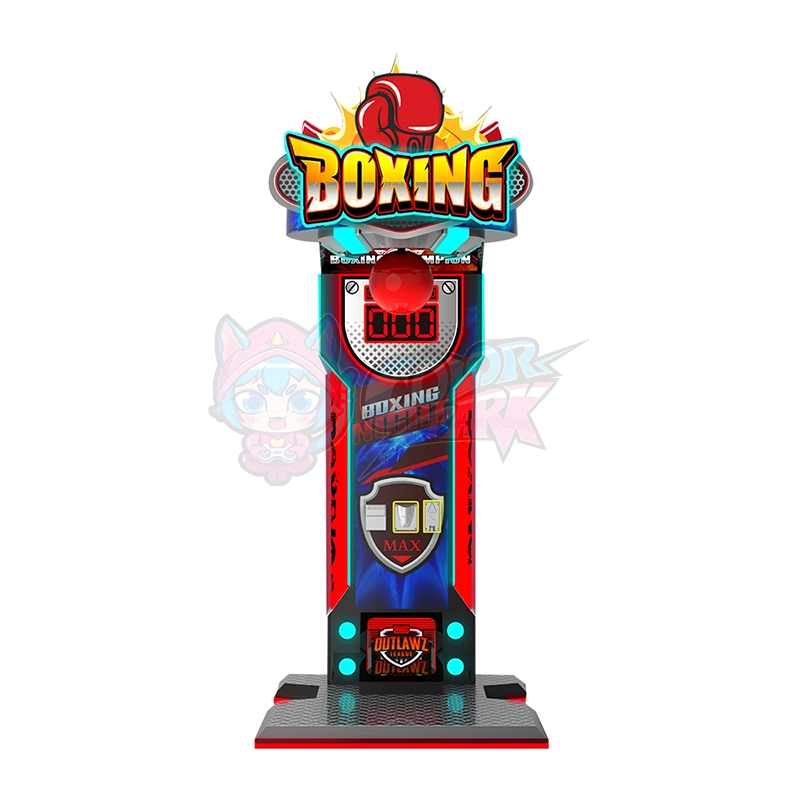
new customized logo good quality boxing arcade machine coin operated boxes game boxing machine music boxing machine
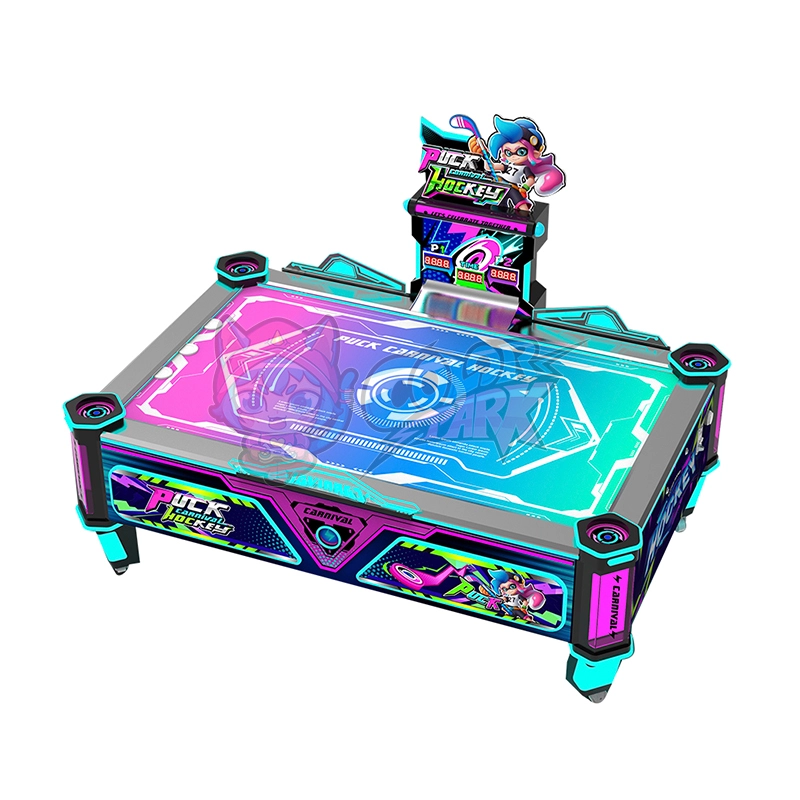
Hot selling indoor amusement ride coin-operated arcade machine new design air hockey 2026
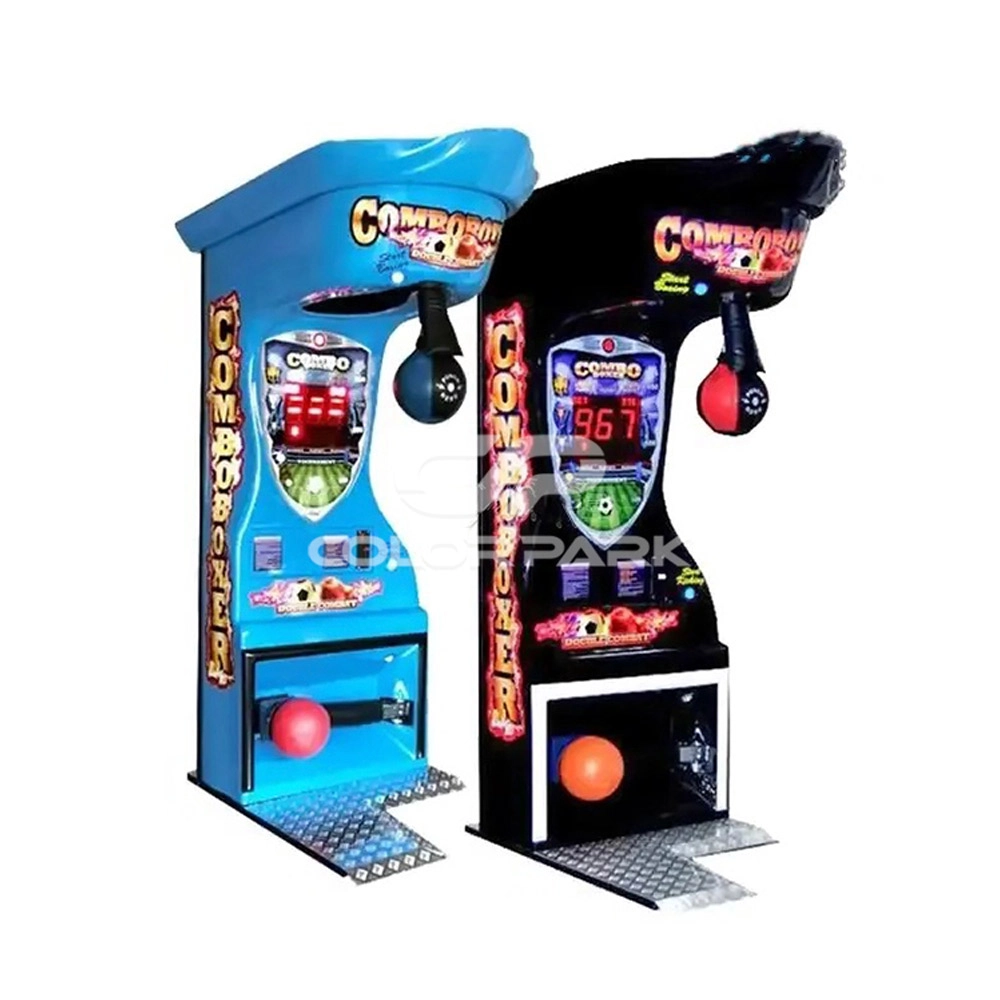
kick and Boxing Machine
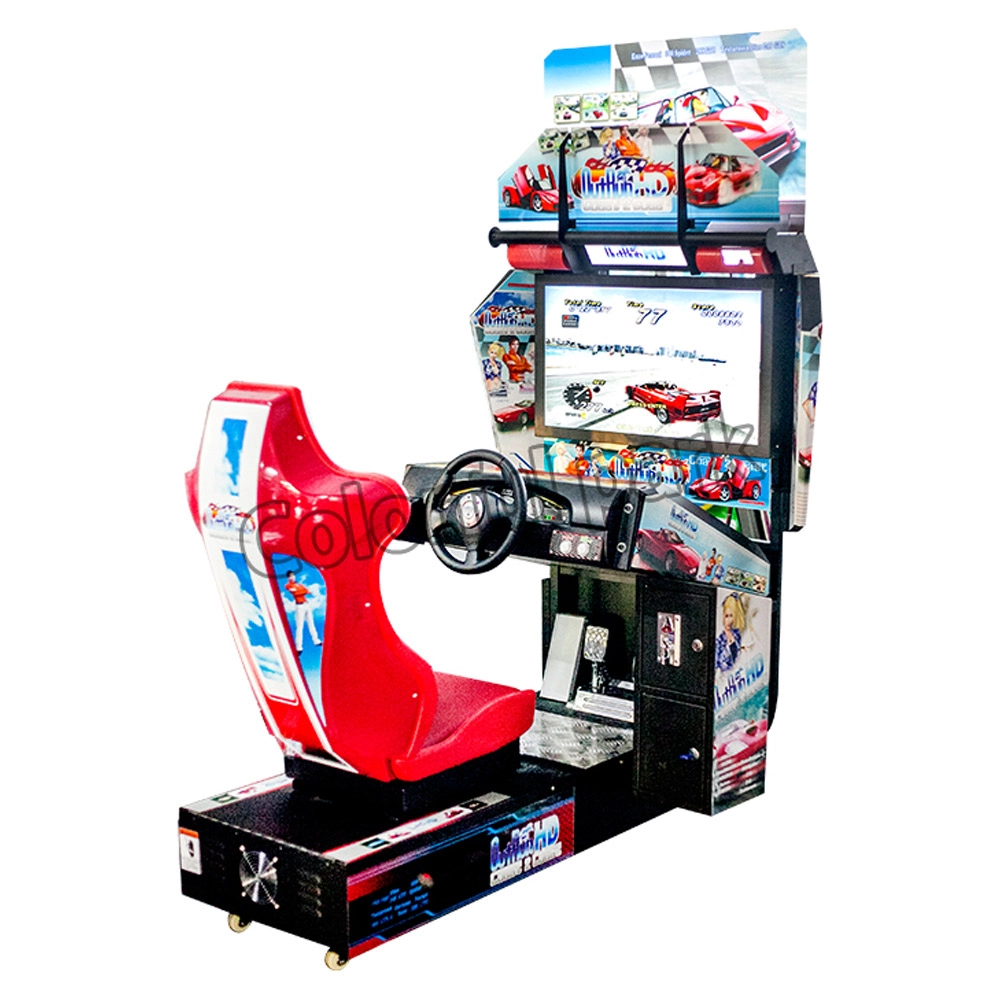
Travel Around The World Racing Game Machine
Looking for More Insights? Reach Out to Us for Clarity.
Colorful Park
Colorful Park
Colorful Park
Colorful Park
Whatsapp: +8613538150631