
How to start the kid vending machine toy business ?

- Why kid vending machine toy businesses work for family entertainment
- Family behavior and impulse purchases
- Low labor and scalable footprint
- Compliance and trust—industry standards
- Step-by-step setup and legal essentials
- 1. Market research and location scouting
- 2. Licensing, permits and toy safety rules
- 3. Choosing suppliers and machine types
- Operations, maintenance & inventory strategy
- Daily operations and cash handling
- Maintenance, downtimes and lifecycle
- Inventory planning and product mix
- Profitability, pricing, and growth strategy
- Startup cost and ROI example
- Pricing strategy and promotions
- Scaling, franchising and partnerships
- Practical tips, safety and product sourcing
- Safety and child-appropriate content
- Custom branding and themed capsules
- Technology: cashless, telemetry and analytics
- Common questions (FAQ)
- How much space does a kid vending machine toy need?
- Is a location fee required and how much?
- What are the biggest operational risks?
- Conclusion
- References
If you're launching a kid vending machine toy business in your city or region, this guide helps you move from concept to operation quickly. Designed for local and national operators, it covers machine selection, supplier sourcing (from manufacturers like Guangzhou Colorful Park Animation Technology Co., Ltd.), legal and safety compliance, ideal locations for high footfall (malls, family entertainment centers, hospitals, schools/events), and realistic financials to optimize daily revenue and ROI. Keywords: kid vending machine toy, capsule toy machine, coin-op toy vending, smart vending for kids.
Why kid vending machine toy businesses work for family entertainment
Family behavior and impulse purchases
Parents with children frequently make low-cost, high-frequency impulse purchases. A play priced between $0.50–$2.00 meets parents' risk tolerance and taps into children's desire for immediate reward. Vending toys provide a quick, tangible entertainment moment that complements visits to malls, arcades, and family entertainment centers.
Low labor and scalable footprint
Unlike staffed kiosks, kid vending machine toy operations require minimal staffing. Machines can be placed in multiple micro-locations (mall corridors, cinema lobbies, laundromats, pediatric waiting rooms), enabling a single operator to manage dozens of units with predictable maintenance cycles. This scalability lowers per-unit overhead and makes rollouts faster and capital-efficient.
Compliance and trust—industry standards
When selling to children, safety and compliance are critical. Use machines and toys that meet recognized standards and sourcing practices. Manufacturing partners with ISO 9001 certification and CE/SGS testing help reduce risk. For background on manufacturing quality systems, see ISO 9001. For amusement and attraction industry resources and market insights, consult IAAPA.
Step-by-step setup and legal essentials
1. Market research and location scouting
Start by mapping high-footfall family locations in your city: shopping malls, indoor playgrounds, multiplex cinemas, bowling centers, FECs (family entertainment centers), supermarkets, pediatric clinics, and tourist attractions. Use simple foot-traffic counts or partner with venue managers to access daily visitor numbers. Prioritize venues where families linger—waiting areas and checkout lines often yield higher impulse buys.
2. Licensing, permits and toy safety rules
Confirm local business licenses, sales tax registration, and any vending-machine-specific permits (some municipalities require vending permits or location agreements). For toy-specific safety requirements, consult national authorities such as the U.S. Consumer Product Safety Commission (CPSC toy safety) or applicable EU directives for CE marking. Ensure products comply with relevant standards before deployment.
3. Choosing suppliers and machine types
Machine types include:
- Capsule toy machines (gashapon style) — low-cost, high-frequency plays.
- Coin-operated dispensers with transparent displays — visual appeal for children.
- Smart vending machines with cashless payments and telemetry — enable dynamic pricing and remote inventory monitoring.
Partnering with an experienced manufacturer like Guangzhou Colorful Park can streamline OEM/ODM customization and lifetime technical support. Their ISO9001 production base and broad product range (video arcades, prize redemption, kiddie rides) make them a reliable supplier for kid vending machine toy projects.
Operations, maintenance & inventory strategy
Daily operations and cash handling
Establish a daily or multi-day schedule for cash collection, cleaning, restocking, and quick repairs. If machines support cashless payments, use secure gateways and daily settlement reports to reduce physical cash risks. Track each machine with a simple log or cloud dashboard (if smart machines are used) to spot underperformers.
Maintenance, downtimes and lifecycle
Routine maintenance includes cleaning coin mechanisms, lubricating moving parts, and checking display lighting. Expect a commercial kid vending machine toy to have a lifespan of 5–10 years with proper care. Maintain a spare-parts inventory (motors, coin acceptors, sensors) to reduce downtime.
Inventory planning and product mix
Stock toys suitable for age groups frequenting the location. Rotate inventory seasonally and test new novelty items weekly. Avoid choking hazards and ensure packaging indicates age-appropriateness. Track sell-through rates per SKU over 30–90 days to identify top performers and remove slow movers.
Profitability, pricing, and growth strategy
Startup cost and ROI example
Below is an illustrative startup cost comparison for three machine tiers. Numbers are typical market ranges and should be validated with suppliers and local costs before investment.
| Machine Tier | Purchase Cost (USD) | Monthly Maintenance & Stock | Typical Price Per Play | Break-even (months) — at 50 plays/day |
|---|---|---|---|---|
| Basic capsule machine | $500–$1,200 | $20–$40 | $0.50–$1.00 | ~3–8 months |
| Mid-range standalone coin-op | $1,200–$3,500 | $40–$80 | $1.00–$1.50 | ~4–10 months |
| High Quality smart vending | $3,500–$8,000 | $80–$200 | $1.50–$2.50 | ~6–18 months |
Illustrative calculation: A mid-range machine at $2,000, priced at $1.25 per play, 50 plays/day = gross $62.50/day ≈ $1,875/month. Subtract stock & maintenance (~$80) and location fee (if any), and you can estimate months to recover the capital cost. These figures vary by location and season.
Pricing strategy and promotions
Set price points that reflect local purchasing power: $0.50–$1 in rural/low-income areas, $1–$2 in urban malls and tourist zones. Run bundled promotions (e.g., 3 plays for $2), loyalty tie-ins with venue partners (mall app coupons), and holiday specials to boost play frequency. Smart machines can run time-of-day or day-of-week pricing experiments to maximize revenue.
Scaling, franchising and partnerships
Once you prove a machine in 3–5 locations, scale by adding identical units in similar venues. Consider revenue share models with venue owners (e.g., 10–30% of gross revenue). Franchise or partner with local operators for broader geographic coverage. Use data from smart machines or manual logs to create a pitch showing plays/day, revenue, and uptime for potential partners.
Practical tips, safety and product sourcing
Safety and child-appropriate content
Always source toys compliant with local safety rules (small parts, toxic materials, sharp edges). Keep labels and instructions clear and store manufacturer test certificates. If selling in the EU, ensure CE marking where applicable. For U.S. operators, follow CPSC guidance and test reports. See CPSC toy safety guidance: CPSC - Toys.
Custom branding and themed capsules
Branding helps machines stand out. Use themed capsule series (seasonal characters, educational toys, puzzles) to encourage repeat purchases. OEM/ODM partners can help design exclusive capsule inserts and branded machine wraps to match venue aesthetics.
Technology: cashless, telemetry and analytics
Integrating cashless payments (cards, mobile wallets) increases play convenience and average ticket size. Telemetry enables remote inventory monitoring, play counts, and revenue reporting. For industry context on vending tech and operations, consult general vending resources such as Wikipedia - Vending machine and IAAPA for amusement market trends: IAAPA.
Common questions (FAQ)
How much space does a kid vending machine toy need?
Footprint varies: countertop capsule machines need just 0.4–1.0 m²; standalone coin-op units usually require 0.8–1.5 m². Ensure 20–30 cm clearance for customer flow and machine servicing.
Is a location fee required and how much?
Location agreements vary—fixed monthly rent ($20–$200), revenue share (10–30%), or a hybrid. Negotiate based on expected plays/day and venue footfall. Offer revenue transparency (weekly/monthly reports) to build trust with venue owners.
What are the biggest operational risks?
Main risks include downtime due to mechanical failure, theft/vandalism, inappropriate toy selection, and non-compliant toys. Mitigate by choosing robust machines, using surveillance or high-traffic visible placements, stocking age-appropriate toys, and working with certified suppliers.
Conclusion
Starting a kid vending machine toy business is a practical, capital-efficient way to enter the leisure and family entertainment market. Success depends on smart location choice, compliant and appealing inventory, reliable machines (consider reputable manufacturers with ISO9001 production), and ongoing data-driven operations. Test a few machines, optimize pricing and toy mix, and scale through proven site models or partnerships. For reliable manufacturing, customization (OEM/ODM), and lifetime technical support, consider suppliers like Guangzhou Colorful Park Animation Technology Co., Ltd., which combines two decades of industry expertise with international compliance and FEC planning services.
If you want help sourcing machines, designing a rollout, or obtaining pricing and sample catalogs for kid vending machine toy solutions, contact kate@colorfulparkgame.com to get started.
References
Top 10 redemption game machine Manufacturers and Supplier Brands

Mini vs. Full-Scale: Which Commercial Bowling Arcade Machine Supplier Offers the Best Value?
Top 10 soft indoor playground equipment Manufacturers and Supplier Brands
Top 10 redemption game machine Manufacturers and Supplier Brands
FAQ
FAQs
Do you provide after-sales support?
Yes, we provide comprehensive after-sales support including installation, troubleshooting, and technical assistance for the entire lifecycle of the product.
Can I see a demo of your products?
Yes, we offer product demos at our headquarters or during trade shows. You can also request a virtual demo if visiting in person isn’t feasible.
What types of products do you offer?
We offer a wide range of mobile gaming solutions, including arcade machines, motion simulators, redemption games, kiddie rides, and customized gaming solutions for various entertainment venues.
What is the lead time for product orders?
The lead time typically ranges from 7 to 15 days for prototypes, and 30 to 60 days for bulk orders, depending on the product and customization requirements.
Can I customize the arcade machines?
Yes, we offer both OEM and ODM services, allowing you to customize game machines to match your brand, theme, or specific requirements.
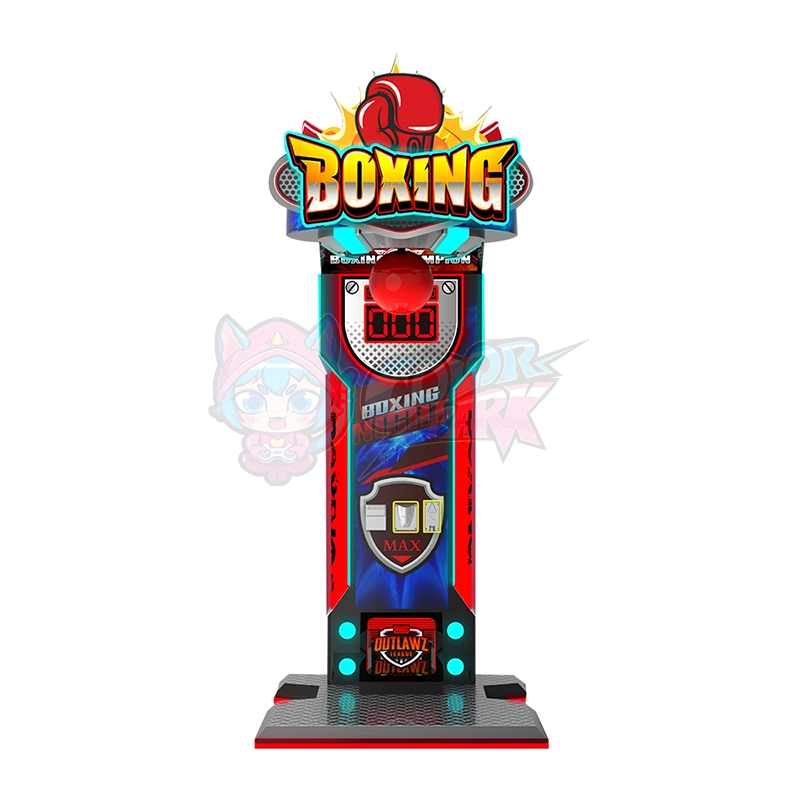
new customized logo good quality boxing arcade machine coin operated boxes game boxing machine music boxing machine
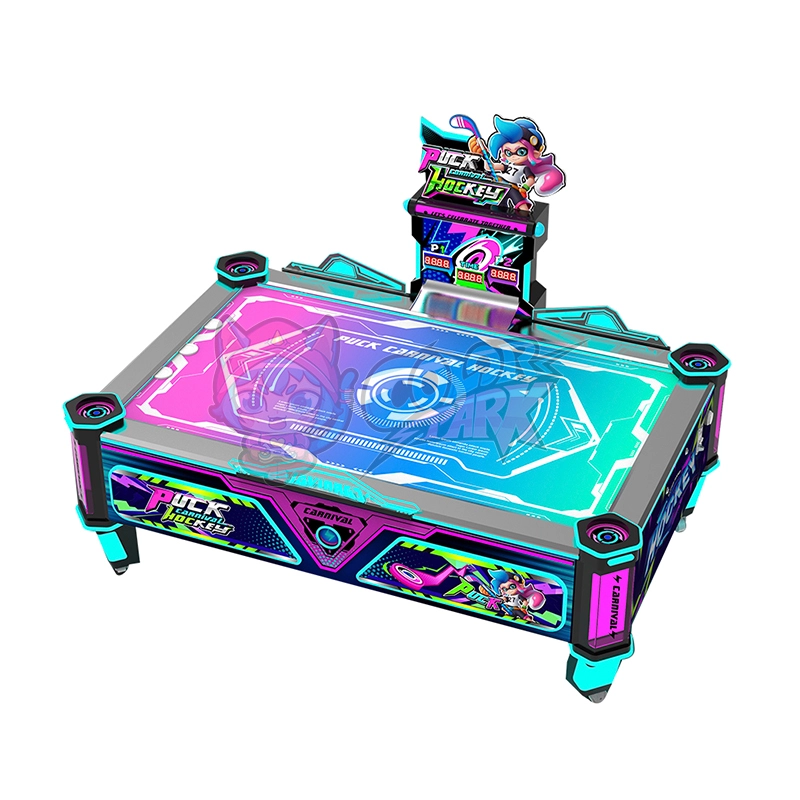
Hot selling indoor amusement ride coin-operated arcade machine new design air hockey 2026
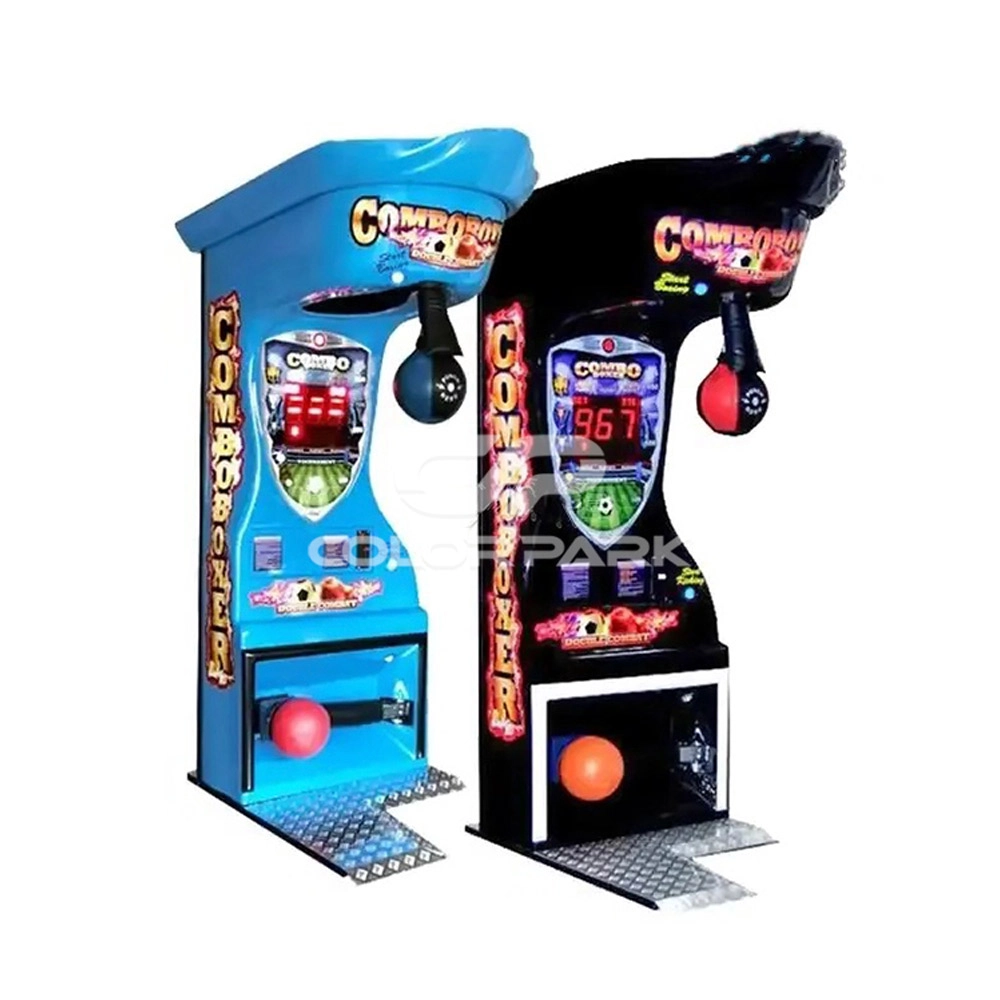
kick and Boxing Machine
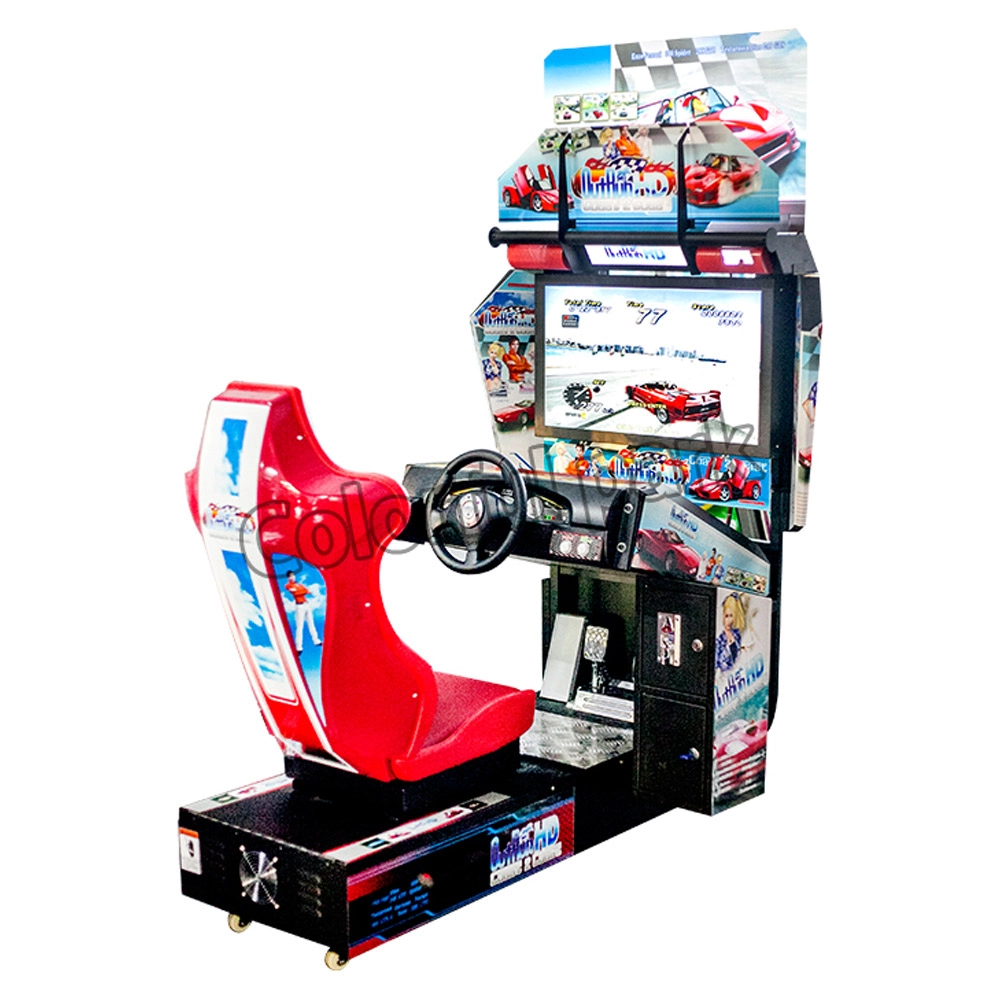
Travel Around The World Racing Game Machine
Looking for More Insights? Reach Out to Us for Clarity.
Colorful Park
Colorful Park
Colorful Park
Colorful Park
Whatsapp: +8613538150631