
Wholesale golf simulator for home manufacturer and supplier

- Why Choose a Home Golf Simulator?
- Real benefits for players and families
- Commercial and wholesale rationale
- Safety, compliance and quality assurance
- Key Components and Technology of a Home Golf Simulator
- Tracking systems: launch monitors vs. camera-based
- Projectors, impact screens and enclosures
- Software, course libraries and integrations
- Choosing the Right Wholesale Home Golf Simulator
- Assessing space and installation requirements
- Comparing cost and ROI for wholesalers and resellers
- Warranty, maintenance and spare parts logistics
- Manufacturing, Customization, and Supplier Evaluation
- What to expect from a wholesale manufacturer
- Case study: Typical manufacturing workflow
- Questions to ask potential suppliers
- Installation, Operation and After-Sales Best Practices
- Professional installation checklist
- Regular maintenance and calibration
- Training and remote support
- Conclusion
- Frequently Asked Questions
- What room size do I need for a full-swing home golf simulator?
- How accurate are home golf simulators?
- Are wholesale discounts available for bulk orders?
- What certifications should I demand from suppliers?
- How long is the typical lead time for wholesale orders?
Looking for a reliable golf simulator for home use from a wholesale manufacturer and supplier? This guide explains what to expect from a professional manufacturer—production standards, certifications, model tiers, space and installation requirements, customization options, pricing ranges, shipping and after-sales support—so local retailers, facility planners, and end consumers can make informed purchasing decisions and find a trusted partner for long-term operation.
Why Choose a Home Golf Simulator?
Real benefits for players and families
Home golf simulators let players practice year-round, simulate world-class courses, and track performance metrics such as ball speed, launch angle, spin, and shot dispersion. For families, a home golf simulator is both an entertainment centerpiece and a training tool that reduces the need for frequent range trips. Modern systems provide realistic graphic rendering, multiple game modes, and multiplayer capability, making them ideal for casual fun and serious practice.
Commercial and wholesale rationale
Buying from a wholesale manufacturer gives resellers and entertainment centers better margins, consistent quality, and streamlined logistics. A factory-direct supplier like Guangzhou Colorful Park Animation Technology Co., Ltd. can provide OEM/ODM customization, consistent spare parts supply, and lifetime technical support—advantages that third-party assemblers rarely match.
Safety, compliance and quality assurance
When selecting a manufacturer, confirm production certifications and testing processes. Look for ISO 9001 quality-management compliance and CE marking when selling into the EU. These credentials demonstrate systematic quality control and conformity with safety requirements. See ISO's overview on ISO 9001 here: https://www.iso.org/iso-9001-quality-management. and learn about CE marking here: https://ec.europa.eu/growth/single-market/ce-marking_en.
Key Components and Technology of a Home Golf Simulator
Tracking systems: launch monitors vs. camera-based
Home golf simulators generally use either radar/infrared launch monitors (e.g., Doppler/radar-based) or high-speed camera systems. Launch monitors measure ball and club data in real-time; camera systems reconstruct trajectory visually and can offer detailed swing analysis. The choice affects space, accuracy, and price. For typical home installations, a camera-based or combined system balances cost and performance.
Projectors, impact screens and enclosures
Image quality depends on projector brightness (lumens), throw ratio, and screen gain. For most residential settings, 3,000–5,000 lumens projectors produce bright, crisp images in semi-controlled lighting. Impact screens must be durable and provide minimal rebound for safety. Enclosure design reduces noise and contains errant shots; many manufacturers offer modular frames or full-room installations.
Software, course libraries and integrations
Software defines the user experience: course fidelity, physics models, shot analysis, and multiplayer modes vary by provider. Choose systems compatible with major golf software platforms and persistent software updates—this protects long-term value. For background on golf simulator concepts, see the Wikipedia entry: https://en.wikipedia.org/wiki/Golf_simulator.
Choosing the Right Wholesale Home Golf Simulator
Assessing space and installation requirements
Home simulators have specific room requirements. Typical minimums:
- Length: 10–12 ft (3–3.7 m) for short-range practice; preferred 12–16 ft (3.7–4.9 m) for full swings.
- Width: 10–15 ft (3–4.6 m).
- Ceiling height: minimum 8.5–9 ft (2.6–2.7 m), with 10 ft (3 m) or more ideal for comfort and club clearance.
Manufacturers can provide custom mounting and enclosure solutions for unusual spaces. For retailers offering home installation services, understanding these constraints is essential to set correct expectations for buyers.
Comparing cost and ROI for wholesalers and resellers
Wholesale pricing depends on volume, customization, and bundled services (software licensing, installation, training). End-user price ranges often fall into three tiers—entry, mid, and pro—each appealing to different buyer segments. Typical end-user price ranges (approximate):
| Tier | Main users | Typical end-user price | Notes |
|---|---|---|---|
| Entry | Home hobbyists | $3,000 – $6,000 | Basic launch monitor or camera, single-screen |
| Mid | Serious amateurs, small FECs | $8,000 – $20,000 | Improved sensors, larger screens, better software libraries |
| Pro | Commercial venues, training centers | $25,000 – $100,000+ | High-end launch monitors, multi-screen setups, full customization |
For a wholesaler, margins typically improve with bundled services (installation, warranties) and recurring software/subscription models. Guangzhou Colorful Park's ISO9001-certified 5,000 m² production base and experienced R&D team enable scalable production and post-sale technical support—advantages that reduce delays and defects.
Warranty, maintenance and spare parts logistics
Reliable warranty terms and accessible spare parts are critical for both retailers and end buyers. Ask manufacturers about lead times for core components (sensors, projectors, screens) and the availability of local technicians or remote diagnostics. Companies that provide lifetime technical support, OEM/ODM documentation, and parts kits simplify field maintenance and protect brand reputation.
Manufacturing, Customization, and Supplier Evaluation
What to expect from a wholesale manufacturer
A quality manufacturer will offer:
- ISO-managed production processes (e.g., ISO9001) and traceable QA workflows.
- CE/EMC compliance for electrical components where required.
- OEM/ODM capabilities for branding, software integration, and enclosure aesthetics.
- Clear lead times, MOQ (minimum order quantities), and modular options to support resellers and installers.
Learn more about third-party testing providers that supply product testing and certification by visiting https://www.sgs.com/en.
Case study: Typical manufacturing workflow
A reliable workflow includes design validation, prototype testing, IPC-compliant PCB assembly (if electronics are custom), full-system integration, and burn-in testing before packing. Guangzhou Colorful Park's in-house R&D and 50 technical experts streamline transitions from prototype to volume production, reducing time-to-market for wholesalers and importers.
Questions to ask potential suppliers
When evaluating suppliers, request the following:
- Factory tour or verification documents and ISO certificate copies.
- Sample systems or demo units and third-party test reports.
- Detailed BOM (bill of materials), warranty terms, and spare parts pricing.
- References from existing distributors or FEC clients.
Installation, Operation and After-Sales Best Practices
Professional installation checklist
An installation checklist minimizes issues:
- Confirm room dimensions and ceiling clearance.
- Set projector placement and calibration points.
- Secure the impact screen and test ball containment.
- Calibrate sensors with actual ball and club types you will use.
Regular maintenance and calibration
Routine tasks include software updates, sensor recalibration (usually every 3–6 months depending on use), projector lamp checks, and screen inspection. Documented maintenance reduces downtime and extends component life.
Training and remote support
Choose suppliers that provide operator training, user manuals, and remote diagnostic tools. Many modern systems allow remote firmware updates and troubleshooting by the manufacturer, accelerating repairs and minimizing service visits.
Conclusion
Purchasing a golf simulator for home use from a reputable wholesale manufacturer delivers better value, consistent quality, and scalable support. Whether you're a retailer sourcing inventory, a facility planning to add entertainment offerings, or a homeowner seeking a High Quality simulator, prioritize manufacturers with certified production, clear warranty terms, and demonstrated OEM/ODM capability. Guangzhou Colorful Park Animation Technology Co., Ltd. offers a 5,000 m² ISO9001-certified production base, experienced R&D and technical teams, and global compliance practices to support wholesale partners and direct buyers. For more information, contact kate@colorfulparkgame.com.
Frequently Asked Questions
What room size do I need for a full-swing home golf simulator?
A safe minimum is roughly 10–12 ft long and 8.5–9 ft high, but 12–16 ft in length and 10 ft ceiling height are recommended for comfortable full swings and to accommodate taller users.
How accurate are home golf simulators?
Accuracy varies by sensor type. High-end launch monitors and combined systems can produce ball speed, launch angle, and spin measurements within a few percent of professional systems. Camera-based systems provide excellent club-detach and ball-flight visual accuracy when properly calibrated.
Are wholesale discounts available for bulk orders?
Yes. Most manufacturers offer tiered pricing, reduced MOQ for long-term partners, bundled service discounts, and OEM/ODM pricing for branded systems. Discuss volume, customization, and support expectations to secure the best terms.
What certifications should I demand from suppliers?
Ask for ISO9001 for quality systems, CE/EMC for electrical safety in the EU, and third-party test reports from recognized labs such as SGS for component reliability. Refer to ISO's quality management resources: https://www.iso.org/iso-9001-quality-management..
How long is the typical lead time for wholesale orders?
Lead times depend on customization and order volume. For standard configurations, typical lead times range from 4–10 weeks; for heavily customized systems, plan for 10–16+ weeks including prototype approval and production scheduling. Verify current lead times with your supplier before confirming orders.
Ready to source wholesale home golf simulators or request a quote? Contact us at kate@colorfulparkgame.com for OEM/ODM options and factory pricing.
References: Wikipedia - Golf simulator (https://en.wikipedia.org/wiki/Golf_simulator), ISO - ISO 9001 overview (https://www.iso.org/iso-9001-quality-management.), CE marking information (https://ec.europa.eu/growth/single-market/ce-marking_en), SGS (https://www.sgs.com/en).
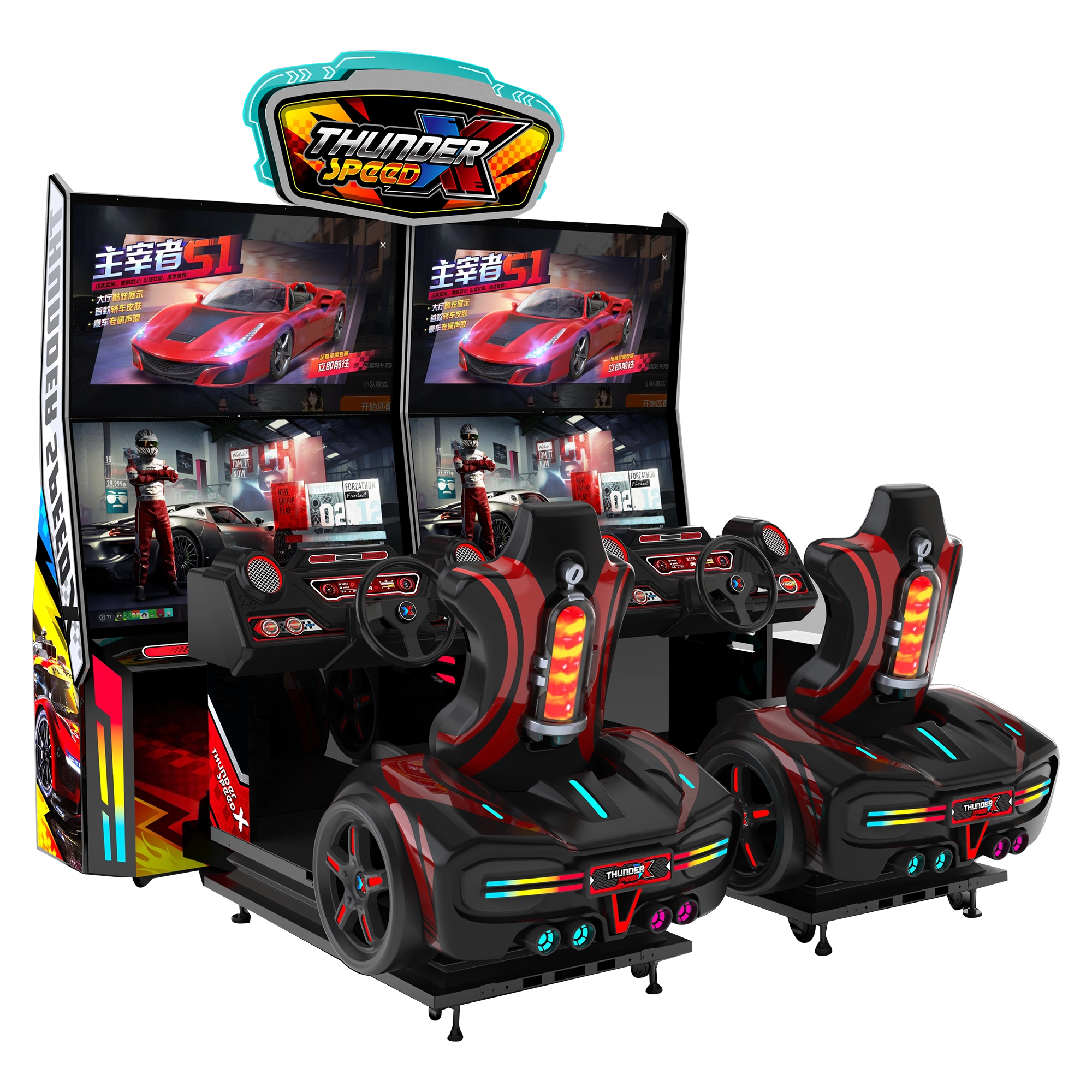
Wholesale car racing arcade game machines manufacturer and supplier
Top 10 cotton candy machine Manufacturers and Supplier Brands
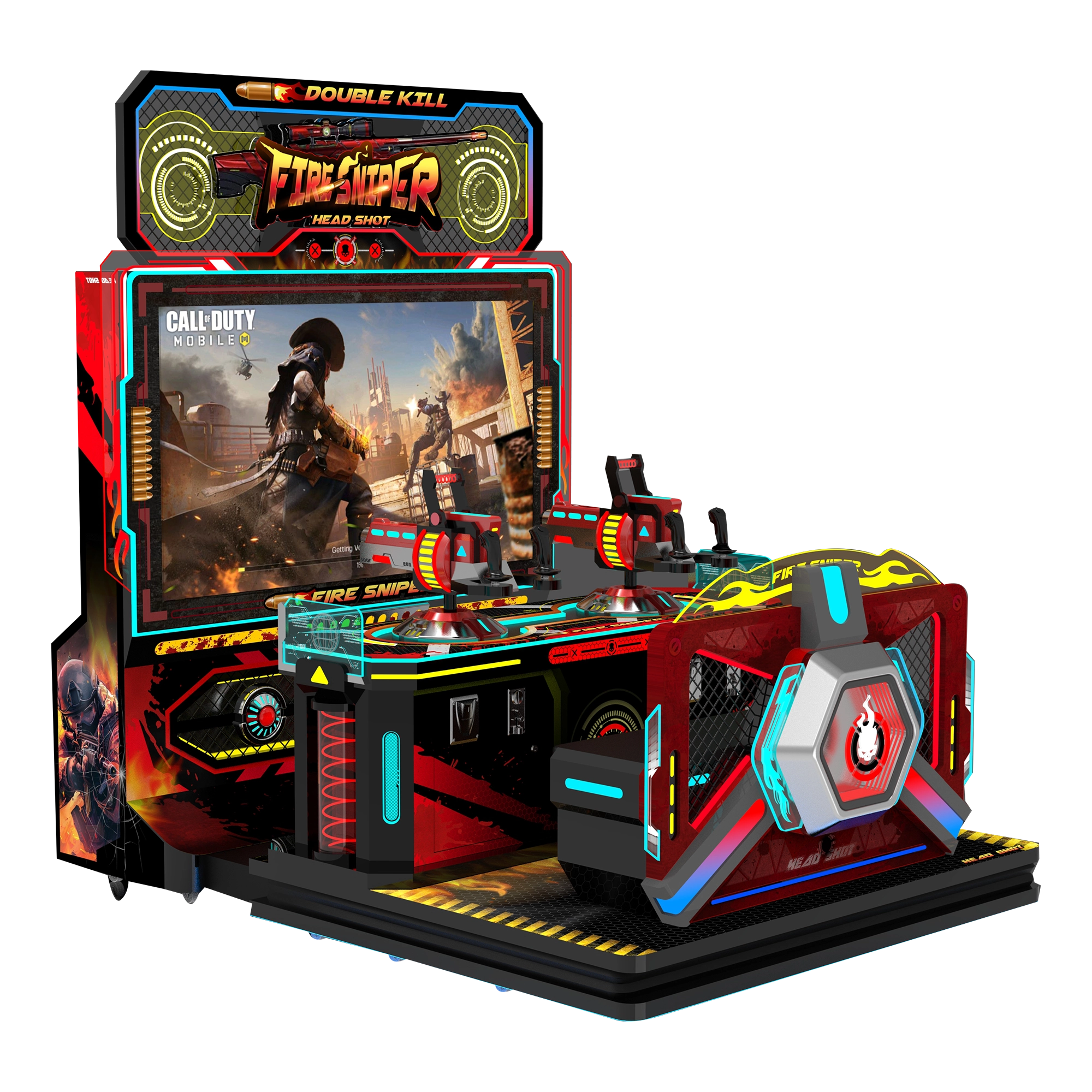
Wholesale shooting arcade game machine manufacturer and supplier
Top 10 arcade game machines Manufacturers and Supplier Brands
FAQ
FAQs
Can I customize the arcade machines?
Yes, we offer both OEM and ODM services, allowing you to customize game machines to match your brand, theme, or specific requirements.
What is the lead time for product orders?
The lead time typically ranges from 7 to 15 days for prototypes, and 30 to 60 days for bulk orders, depending on the product and customization requirements.
What types of products do you offer?
We offer a wide range of mobile gaming solutions, including arcade machines, motion simulators, redemption games, kiddie rides, and customized gaming solutions for various entertainment venues.
Do you provide after-sales support?
Yes, we provide comprehensive after-sales support including installation, troubleshooting, and technical assistance for the entire lifecycle of the product.
Can I see a demo of your products?
Yes, we offer product demos at our headquarters or during trade shows. You can also request a virtual demo if visiting in person isn’t feasible.
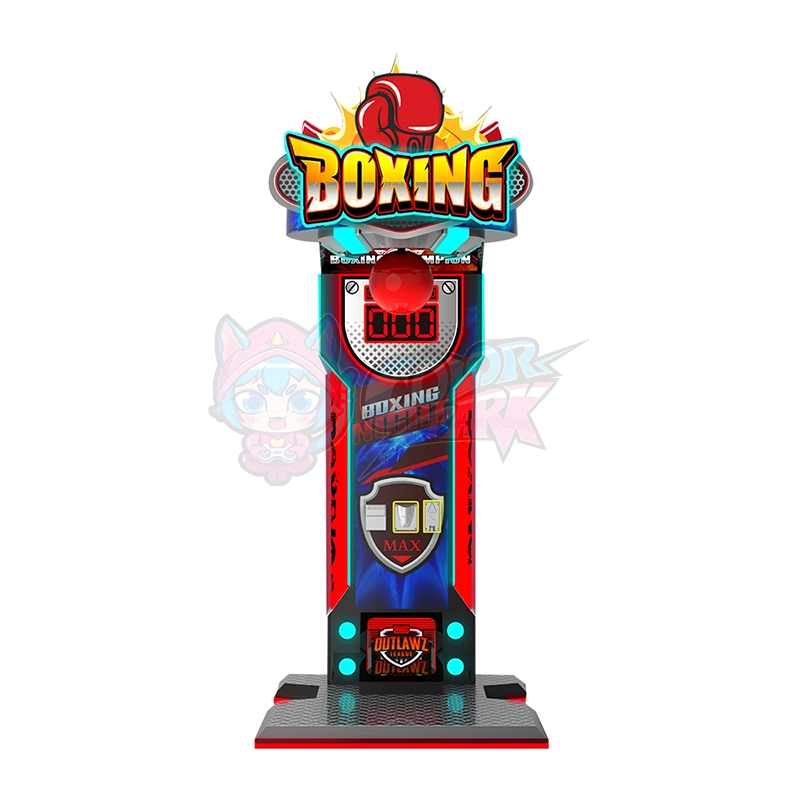
new customized logo good quality boxing arcade machine coin operated boxes game boxing machine music boxing machine
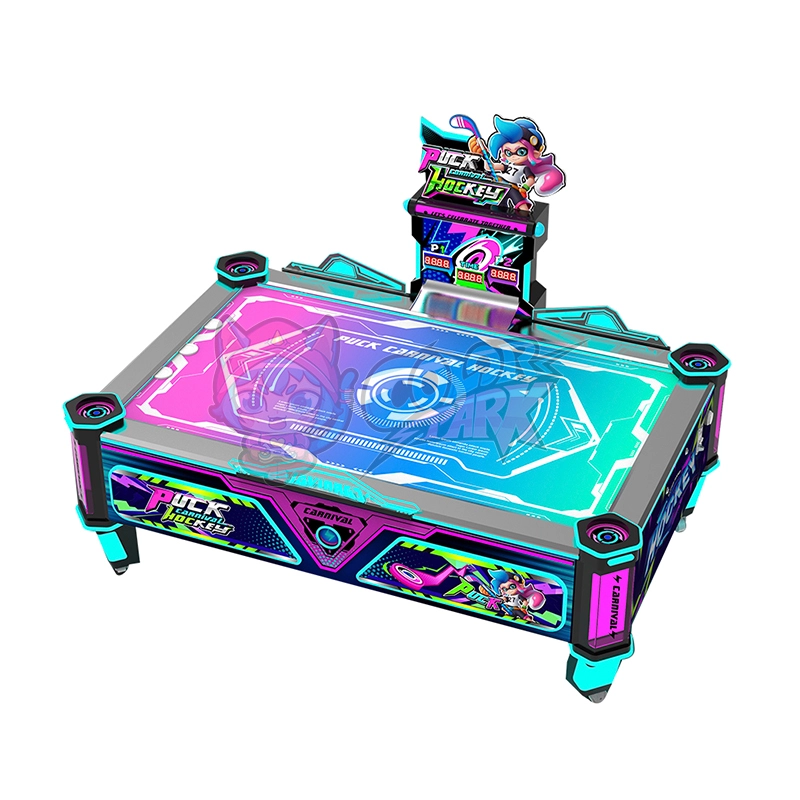
Hot selling indoor amusement ride coin-operated arcade machine new design air hockey 2026
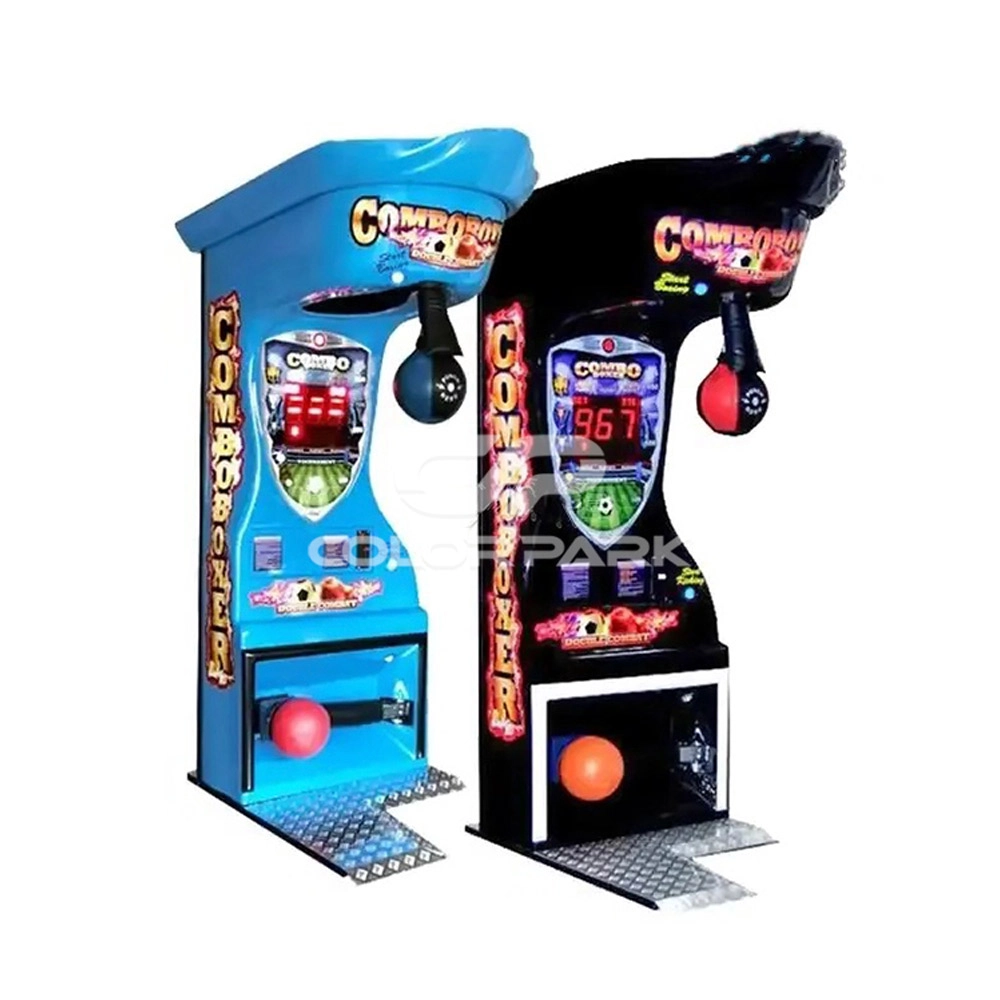
kick and Boxing Machine
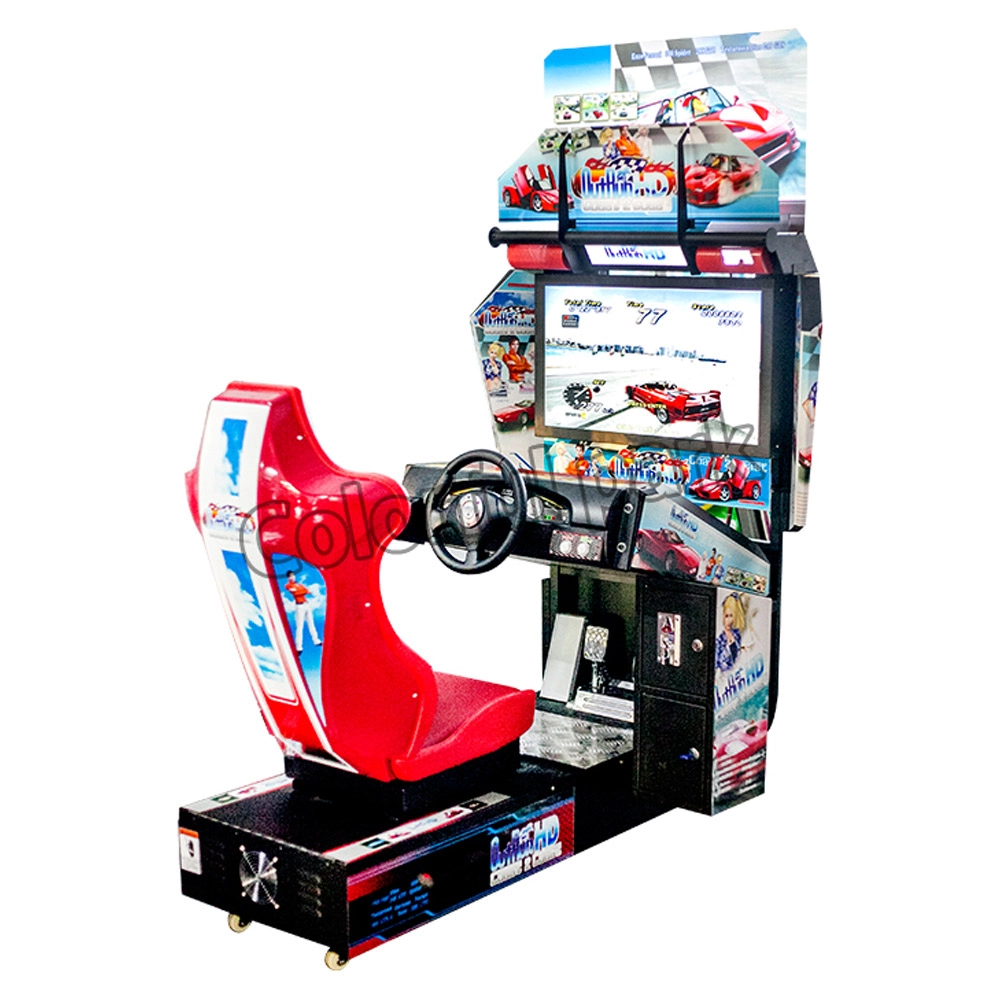
Travel Around The World Racing Game Machine
Looking for More Insights? Reach Out to Us for Clarity.
Colorful Park
Colorful Park
Colorful Park
Colorful Park
Whatsapp: +8613538150631