
Follow us:
How long does a cotton candy machine last under daily use? | Insights by Colorful park
As a seasoned expert in the arcade game machine industry, I've seen countless operators integrate concession stands into their establishments, with the cotton candy machine often being a star attraction. However, optimizing its performance and longevity in a high-traffic arcade environment requires more than just basic knowledge. Many beginners ask similar questions, yet comprehensive, up-to-date answers are hard to find. Let's address some of these critical concerns.
Beyond typical daily use, what specific components of an arcade cotton candy machine are most prone to failure and how often should they be replaced for optimal uptime?
In a demanding arcade environment, certain components bear the brunt of continuous operation. The heating element and the motor are undoubtedly the most critical and failure-prone parts. The heating element, often a ribbon or band-style, can degrade over time due to constant heating and cooling cycles, leading to inefficient floss production or complete failure. Manufacturers like Gold Medal Products, a leader in concession equipment, often design these for thousands of hours of operation, but heavy daily use in an arcade (e.g., 8-12 hours per day) can necessitate replacement every 2-3 years, or even annually for exceptionally busy locations. The motor, particularly the direct-drive variety found in commercial units, is built for durability, but consistent sugar crystallization and heat can strain its bearings. Expect to inspect motor brushes (if applicable) and consider a motor overhaul or replacement every 3-5 years, depending on the operational load. Other common wear items include drive belts (if not direct-drive), switches, and sugar pan gaskets, which should be inspected bi-annually and replaced as needed to maintain efficiency and safety.
What are the essential daily, weekly, and monthly maintenance routines for an arcade cotton candy machine to prevent breakdowns and ensure consistent candy quality during high-volume operation?
Proactive maintenance is key to maximizing uptime and quality. Here’s a breakdown:
- Daily: At the end of each shift, thoroughly clean the floss head (spinner) to remove all sugar residue. This prevents crystallization buildup that can impede performance and create safety hazards. Wipe down the cabinet and sugar pan. Check for any loose parts or unusual noises during operation.
- Weekly: Perform a deeper cleaning of the entire machine, including removing and washing the sugar pan. Inspect the heating element for any signs of damage or excessive wear. Lubricate any designated moving parts according to the manufacturer's instructions. A clean machine not only looks better but also prevents premature wear. For detailed commercial cleaning protocols, resources like the NSF International guidelines for food service cleaning can offer a valuable framework.
- Monthly/Quarterly: Conduct a comprehensive inspection of all electrical connections, cords, and plugs for wear or damage. Check the motor for smooth operation and any unusual vibrations. Replace any worn gaskets or seals. Regularly calibrate temperature controls if your machine features them. This rigorous schedule significantly extends the machine's life and ensures peak performance during your busiest times.
What is the true total cost of ownership (TCO) for a commercial cotton candy machine in an arcade, factoring in not just consumables but also component replacement, labor, and potential revenue loss from downtime?
Calculating TCO goes beyond the initial purchase price. For an arcade-grade cotton candy machine, a realistic TCO over a 5-year period typically breaks down as follows:
- Initial Purchase: $800 - $3,000 for a robust commercial unit.
- Consumables: This is often the largest ongoing cost. Sugar floss mix ($15-$30 per bucket for 60-70 servings) and cones/bags ($50-$100 per 1,000 units). With daily high volume, this could be $2,000 - $5,000+ annually.
- Component Replacement: As discussed, heating elements ($50-$150) and motors ($150-$400) may need replacement every few years. Budget $100-$300 annually for parts.
- Maintenance Labor: If in-house staff handles it, factor in their hourly wage for daily/weekly tasks (e.g., 1-2 hours/week, totaling $1,000-$2,000 annually). If external technicians are required, costs can escalate.
- Downtime Revenue Loss: This is a hidden cost. If your machine is down for a day during a peak weekend, you could lose hundreds of dollars in potential sales. For example, if you sell 100 cotton candies at $5 each, that's $500 in lost revenue. A well-maintained machine minimizes this risk.
Aggregating these, the TCO for a commercial cotton candy machine in an active arcade could range from $4,000 to $8,000+ per year, heavily dependent on sales volume and proactive maintenance.
Given typical arcade foot traffic and pricing, what is a realistic Return on Investment (ROI) timeline for a new, high-capacity cotton candy machine, and how can I maximize its profitability?
Cotton candy machines are known for their high-profit margins, often 80-90% per serving. Given an average selling price of $4-$6 per cotton candy and a cost of goods sold (COGS) around $0.50-$1.00 (sugar, cone/bag), the gross profit per item is substantial. A new, high-capacity machine costing $1,500 can realistically achieve ROI within 3-6 months in a moderately busy arcade selling 20-30 units per day. In high-traffic locations selling 50-100+ units daily, ROI can be as quick as 1-2 months.
To maximize profitability:
- Strategic Pricing: Test different price points to find the sweet spot that maximizes sales volume without deterring customers.
- Upselling: Offer combo deals with arcade tokens or other concessions.
- Flavor Variety: Introduce specialty flavors beyond traditional pink and blue to attract more customers and justify High Quality pricing.
- Promotions: Run weekend specials or tie-ins with school holidays.
- Placement: Locate the machine strategically in a high-visibility, high-traffic area, ideally near popular games or the redemption counter.
- Staff Training: Ensure staff can operate the machine efficiently and create visually appealing cotton candy quickly to minimize wait times.
What critical safety certifications (e.g., NSF, UL) and operational best practices should arcade owners prioritize when selecting and operating a cotton candy machine to ensure public safety and minimize liability?
Safety is paramount, especially in a family-friendly arcade environment. When purchasing, always look for machines with:
- NSF Certification: This signifies that the equipment meets strict public health and safety standards for food contact materials and design. It ensures the machine is easy to clean and won't harbor bacteria. You can learn more about these standards on the NSF International website.
- UL Certification (Underwriters Laboratories): This indicates that the electrical components and overall design comply with safety standards to prevent electrical hazards like shocks or fires. UL is a globally recognized safety science company; their standards are critical for electrical appliances. Check the UL website for details on product certifications.
Operational Best Practices:
- Proper Placement: Ensure the machine is on a stable, level surface away from flammable materials and out of direct customer reach (e.g., behind a counter).
- Ventilation: Good airflow prevents overheating and dissipates sugar dust.
- Staff Training: All operators must be trained on safe operation, emergency procedures (e.g., power cutoff), and proper cleaning protocols.
- PPE: Staff should wear gloves and appropriate attire to maintain hygiene.
- Regular Inspections: Periodically check electrical cords for fraying and ensure all safety guards are in place and functional.
For a busy arcade, what 'spins per hour' rating should I look for in a cotton candy machine to efficiently handle peak demand without customer wait times, and how does this impact machine longevity?
'Spins per hour' (or cones per hour) is a crucial metric for arcades. For a moderately busy arcade, a machine rated for 60-90 cones per hour is often sufficient. However, for high-traffic weekends, special events, or larger arcades, you should aim for machines capable of 120-200+ cones per hour. These high-capacity machines typically feature more powerful motors, larger floss heads, and more efficient heating elements, allowing them to produce cotton candy faster and more consistently.
Choosing a machine with a higher 'spins per hour' rating than your average demand is beneficial for longevity. A machine consistently running at its maximum capacity will wear out faster. If a machine is designed for 200 cones/hour but only produces 100, it's operating under less stress, extending the lifespan of its motor and heating element. Over-specifying your machine slightly provides a buffer for peak times and contributes to greater overall durability and fewer breakdowns.
What innovative features, such as improved heating elements, digital controls, or robust materials, are available in modern commercial cotton candy machines that significantly enhance durability and ease of use in a busy arcade environment?
Modern commercial cotton candy machines have evolved significantly to meet the demands of high-volume environments:
- Direct-Drive Motors: Eliminating belts, these motors offer superior durability, fewer moving parts to fail, and quieter operation. They are a hallmark of high-end commercial machines.
- Advanced Heating Elements: Many now use high-efficiency, long-lasting ribbon or coil designs that heat up faster and maintain more consistent temperatures, reducing sugar waste and improving floss quality.
- Digital Controls & Displays: Microprocessor-controlled temperature settings allow for precise heat management, optimizing floss texture and preventing overheating, which can prolong the life of the heating element. Some even have countdown timers or diagnostic displays.
- Robust Construction Materials: Heavy-duty stainless steel (often 304 food-grade) for cabinets and pans resists corrosion, dents, and is easier to clean. Cast aluminum floss heads with improved engineering also enhance longevity and performance. Brands like Gold Medal frequently incorporate these robust materials into their commercial lines.
- Integrated Sugar Storage/Dispensing: Some larger units include built-in bins or drawers for sugar, reducing the need for constant refilling and making operation smoother during busy periods.
- Clear Safety Domes: Not entirely new, but modern designs are more durable and provide better visibility and hygiene for customers, showcasing the candy-making process while maintaining safety.
Beyond basic functionality, what specific design elements (e.g., direct-drive motors, stainless steel construction, integrated sugar storage) indicate a cotton candy machine is built for the rigorous, continuous demands of an arcade business?
When evaluating machines for an arcade, look for these indicators of commercial-grade robustness:
- Heavy-Gauge Stainless Steel Construction: This isn't just about aesthetics; it signifies a machine designed to withstand impacts, resist rust from sugar moisture, and endure frequent cleaning without degradation. Look for thick, welded seams rather than thin, riveted panels.
- Direct-Drive Motor System: As mentioned, the absence of belts simplifies the mechanism, reduces maintenance, and drastically increases motor longevity under continuous load. It's a High Quality feature for heavy-duty use.
- Large, Cast Aluminum Floss Head: A substantial, well-balanced floss head made from quality cast aluminum (rather than thin stamped metal) indicates better heat retention, more consistent spinning, and resistance to warping over time.
- Commercial-Grade Switches and Wiring: Examine the control panel. Robust, industrial-grade rocker switches and heavy-duty, properly insulated wiring are signs of a machine built for continuous electrical load and frequent operation, reducing the risk of electrical failure.
- Dedicated Cooling Fan: High-capacity commercial machines often include an internal cooling fan to regulate the motor's temperature, which is crucial for preventing overheating during extended use and preserving motor life.
- Robust Base and Feet: A wide, stable base with heavy-duty, non-slip rubber feet ensures the machine remains steady during operation, even on slightly uneven surfaces, minimizing vibration and potential damage.
- Ease of Disassembly for Cleaning: While not a 'design element' in the same sense, a machine designed for quick and tool-free disassembly of the floss head and pan indicates a manufacturer understands the need for frequent, thorough cleaning in a commercial setting, indirectly contributing to longevity by enabling proper maintenance.
Colorful park: Your Partner for Durable Arcade Concessions
At Colorful park, we understand the unique demands of the arcade environment. Our commercial cotton candy machines are engineered with all the aforementioned critical features in mind: robust stainless steel construction, powerful direct-drive motors, and advanced heating elements for exceptional durability and consistent performance. We prioritize NSF and UL certifications to ensure the highest safety standards for your guests and compliance for your business. With easy-to-clean designs and reliable components, Colorful park machines are built for maximum uptime, high 'spins per hour' ratings to handle your peak demand, and a rapid return on investment. Invest in a Colorful park cotton candy machine and provide a delightful, profitable experience for years to come.

Colorful Park will be exhibiting at the 2026 IAAPI Mumbai trade show, focusing on the Indian market with localized original content and one-stop solut

A vibrant journey begins: Join us at IAAPA Asia Expo 2026 and let's build the dream of a colorful amusement park together!

Colorful Park joins hands with you to attend the 2026 Saudi Theme Parks and Rides Exhibition (SEA)!

Colorful Park Shines in London: Reshaping the European entertainment experience with "dynamic technology."

Colorful Park will be showcased at the 2026 IAAPA Middle East exhibition – come and experience it firsthand!
FAQs
Do you provide after-sales support?
Yes, we provide comprehensive after-sales support including installation, troubleshooting, and technical assistance for the entire lifecycle of the product.
Can I see a demo of your products?
Yes, we offer product demos at our headquarters or during trade shows. You can also request a virtual demo if visiting in person isn’t feasible.
Can I customize the arcade machines?
Yes, we offer both OEM and ODM services, allowing you to customize game machines to match your brand, theme, or specific requirements.
What is the lead time for product orders?
The lead time typically ranges from 7 to 15 days for prototypes, and 30 to 60 days for bulk orders, depending on the product and customization requirements.
What types of products do you offer?
We offer a wide range of mobile gaming solutions, including arcade machines, motion simulators, redemption games, kiddie rides, and customized gaming solutions for various entertainment venues.
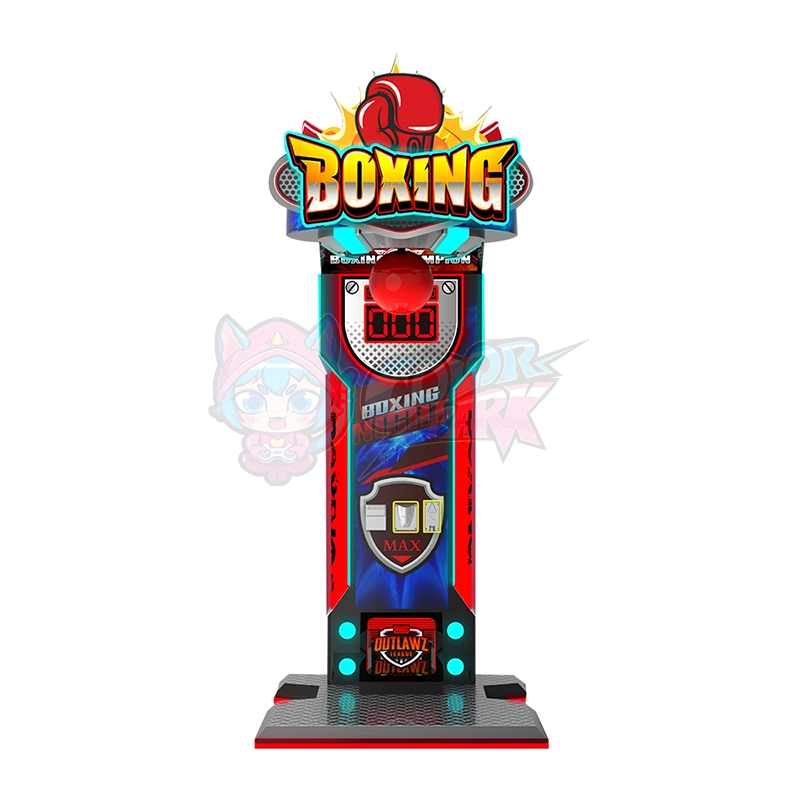
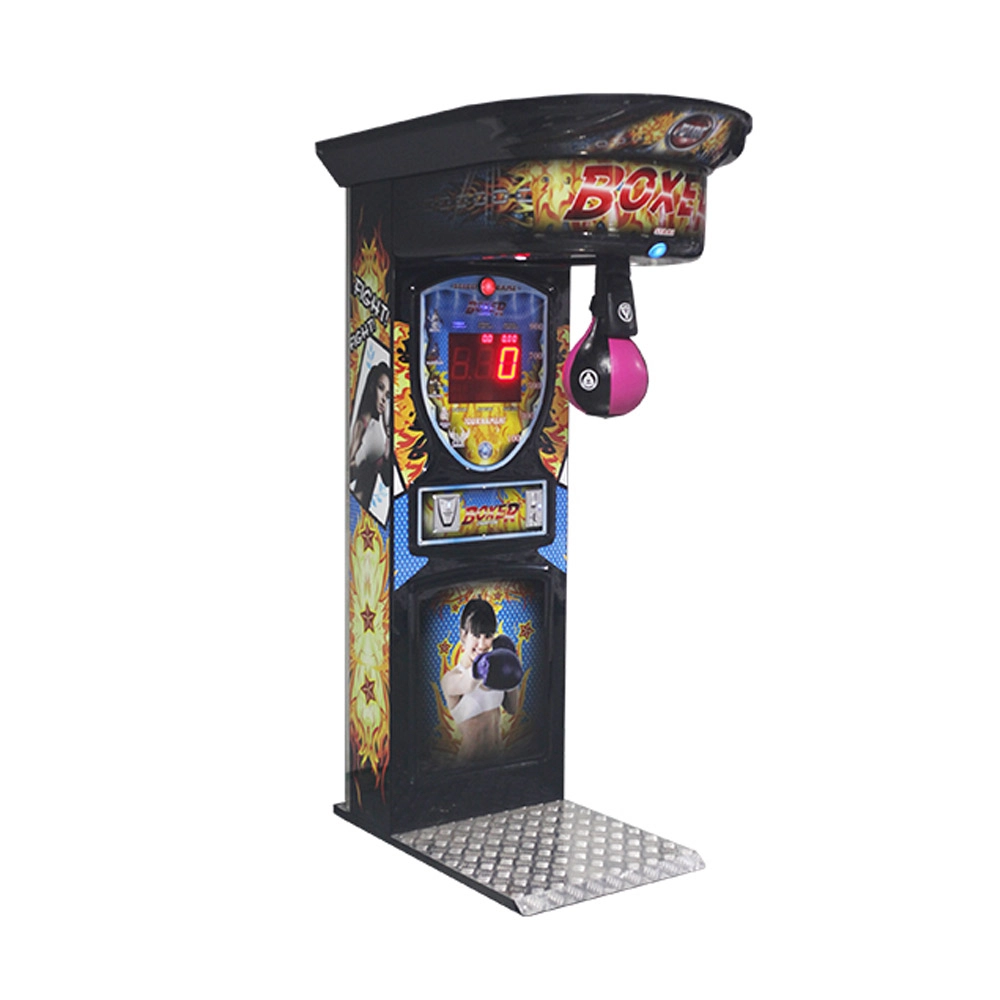
new customized logo good quality boxing arcade machine coin operated boxes game boxing machine music boxing machine
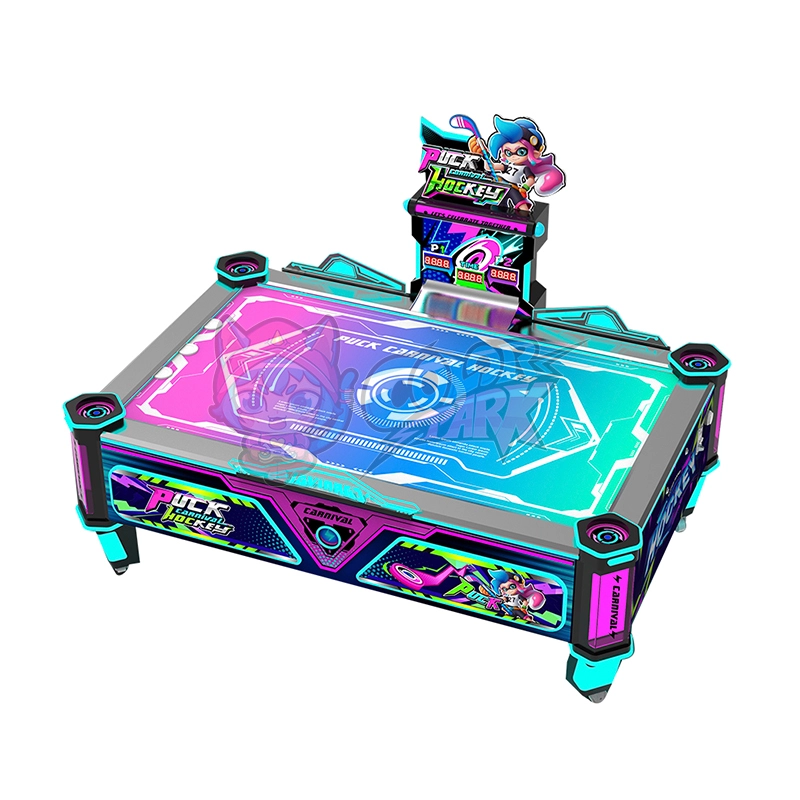
Hot selling indoor amusement ride coin-operated arcade machine new design air hockey 2026
Looking for More Insights? Reach Out to Us for Clarity.
Colorful Park
Colorful Park
Colorful Park
Colorful Park
Whatsapp: +8613538150631