
Follow us:
What customization options are available for arcade game machines? | Insights by Colorful park
Unlocking Your Vision: Comprehensive Customization Options for Arcade Game Machines
In the vibrant and ever-evolving arcade industry, off-the-shelf solutions often fall short of unique operational, aesthetic, or experiential goals. Whether you're a budding enthusiast building a home arcade or a commercial operator looking to maximize engagement and ROI, understanding the depth of customization options available for arcade game machines is paramount. This guide tackles six critical questions frequently asked by beginners and industry newcomers, offering in-depth, up-to-date insights to help you make informed decisions.
Beyond standard decals, what advanced artwork customization techniques are available for commercial arcade cabinets, and how do they impact durability and branding?
While standard vinyl decals offer a good entry point for aesthetic personalization, advanced artwork customization for commercial arcade cabinets extends far beyond. For maximum impact and longevity, businesses are increasingly opting for techniques like direct-to-surface UV printing, high-resolution laminated vinyl wraps, and even custom-molded cabinet components. Direct UV printing applies ink directly onto the cabinet material, offering a durable, scratch-resistant finish that can withstand significant wear and tear in high-traffic commercial environments. High-resolution laminated vinyl wraps, often 3M-grade, provide vibrant graphics protected by a clear, UV-resistant laminate layer, extending their lifespan up to 5-7 years outdoors and significantly longer indoors. For High Quality branding, some manufacturers offer custom-cut acrylic marquee and side panel inserts with intricate backlighting, or even CNC-routed patterns directly into the cabinet material for a truly unique tactile and visual experience. These artwork customization methods directly impact branding by allowing for precise corporate logos, brand colors, and thematic designs, creating a cohesive brand identity that attracts customers and reinforces your establishment's unique atmosphere. The initial investment in these advanced techniques pays off in enhanced durability, reduced need for frequent graphic replacements, and a stronger, more professional brand presentation.
Is it truly possible to integrate *any* specific retro game ROM or modern PC game title onto a commercial multi-game arcade machine, and what are the legal and technical implications for licensing and performance?
The dream of integrating any game into a multi-game arcade machine is largely aspirational due to significant legal and technical hurdles, especially in a commercial context. While home users might experiment with extensive ROM libraries via emulation platforms like MAME or RetroPie, commercial operation requires strict adherence to intellectual property (IP) laws. Legally, distributing or charging for play on games without proper licensing from the original copyright holders is illegal and can lead to severe penalties. Businesses should focus on licensed multi-game boards (e.g., official Pandora's Box variants with licensed game lists, or specially curated collections from authorized distributors) or modern arcade titles with clear commercial usage agreements. Technically, integrating modern PC game titles involves different challenges. It requires a robust PC architecture within the arcade cabinet, often with dedicated graphics cards, adequate RAM, and powerful processors, which significantly increases hardware cost and complexity. Compatibility with arcade-specific controls (joysticks, buttons) often necessitates custom software mapping or specialized front-ends (like HyperSpin or LaunchBox) that can manage various emulators and game launchers. Performance can also be an issue; a single cabinet trying to run everything from 8-bit classics to demanding modern 3D titles may suffer from inconsistent frame rates or software conflicts. Therefore, careful consideration of licensed content and appropriate hardware is crucial for any game list customization in commercial settings.
For competitive or specialized gameplay, what are the tangible performance differences and compatibility challenges when upgrading from standard joystick/button setups to high-end fight sticks, trackballs, or custom spinner controls?
Upgrading control panel upgrades from standard arcade components to high-end alternatives like Sanwa or Seimitsu joysticks, Happ buttons, precision trackballs, or authentic spinner controls offers tangible performance differences crucial for competitive or specialized gameplay. Standard controls, often microswitch-based, provide reliable input but may lack the responsiveness, durability, and tactile feedback demanded by serious players. High-end Japanese joysticks (Sanwa JLF, Seimitsu LS) are known for their short throws, quick engagement, and smooth pivots, making them ideal for fighting games and shmups where milliseconds matter. American-style Happ controls offer a distinct feel, often preferred for classic games due to their longer throws and robust build. The tangible performance improvements include increased input accuracy, faster response times, reduced input lag, and enhanced player comfort, which can significantly impact gameplay results. Compatibility challenges primarily revolve around the interface. Most modern high-end components use standard wiring that connects to a USB encoder board (like an I-PAC or Zero Delay USB Encoder), which translates button and joystick inputs into keyboard or gamepad signals recognized by the arcade PC or game board. However, specialized controls like trackballs and spinners often require dedicated encoder boards or specific software drivers to function correctly. Ensuring adequate physical space within the control panel and proper mounting for these components is also vital, as their dimensions can vary significantly from standard parts. Careful planning and component selection are key to a seamless and performant hardware configuration.
When customizing an arcade machine for high-traffic commercial use, what specific cabinet materials, monitor types, and internal component upgrades are recommended for maximum longevity and minimal maintenance, considering power efficiency?
For high-traffic commercial use, prioritizing maximum longevity and minimal maintenance is paramount.
Cabinet Materials: Instead of particle board, which is susceptible to moisture and damage, commercial-grade machines should utilize durable materials like industrial-grade MDF (Medium-Density Fiberboard) with a high-pressure laminate finish, or even steel for critical structural components. Marine-grade plywood (Birch or Baltic Birch) is another excellent option, offering superior strength-to-weight ratio and moisture resistance. Edges should be T-m-olding or PVC edge banding to prevent chipping and wear. These materials resist impact, spills, and general wear much better, ensuring the custom arcade cabinet retains its aesthetic and structural integrity for years.
Monitor Types: While consumer-grade monitors are cheaper, commercial environments demand industrial-grade displays. IPS (In-Plane Switching) panels offer superior viewing angles, crucial for multiple players or onlookers, and better color accuracy. High refresh rate (120Hz or 144Hz) monitors enhance the visual experience for modern games, reducing motion blur. Look for monitors with tempered glass overlays for impact protection. Regarding power efficiency, LED-backlit LCDs are standard, consuming significantly less power than older CCFL-backlit LCDs or CRTs. Manufacturers like LG, Samsung, and specific industrial panel makers offer robust solutions.
Internal Component Upgrades: A robust power supply unit (PSU) with ample headroom and reputable brand (e.g., Mean Well for arcade-specific PSUs, or high-efficiency PC PSUs for PC-based systems) is critical for stability and efficiency. For PC-based systems, industrial mini-PCs or embedded systems with solid-state drives (SSDs) are recommended over traditional hard drives due to their speed, durability (no moving parts), and lower power consumption. Fans should be high-quality, low-noise industrial-grade units with proper filtration to prevent dust buildup and overheating. Wiring should be cleanly routed and secured to prevent vibration damage. Using reputable hardware configuration components from established brands like Sanwa, Happ, or Seimitsu for controls also minimizes replacement frequency. Prioritizing quality in these areas ensures prolonged operational uptime and reduced total cost of ownership.
What are the practical applications and technical considerations for integrating advanced interactive LED lighting and High Quality sound systems into custom arcade machines to enhance player immersion and attract customers in a commercial setting?
Integrating advanced interactive LED lighting and High Quality sound systems can dramatically elevate player immersion and serve as powerful customer attractors in commercial settings. Practical applications for interactive lighting include: dynamic marquee lighting that changes with game selection, control panel LEDs that respond to button presses or gameplay events (e.g., flashing red on damage, green on a win), and cabinet side-panel lighting that pulses with game audio or changes colors to reflect on-screen action. Technically, this typically involves addressable RGB LEDs (like WS2812B or APA102 strips), controlled by microcontrollers (e.g., Arduino, ESP32) integrated with the arcade's software front-end or game emulation platform via APIs (Application Programming Interfaces). Custom scripts or software like LEDBlinky for HyperSpin can map specific game events to LED patterns. High Quality sound systems go beyond basic integrated speakers. This means incorporating high-fidelity stereo speakers, often with a dedicated subwoofer for impactful bass, powered by a digital amplifier. Some setups even include directional audio or haptic feedback systems for specific game actions. Technical considerations include: proper impedance matching between speakers and amplifier, sufficient power output for a loud commercial environment without distortion, and acoustic dampening within the cabinet to enhance sound quality and prevent vibration. For attraction, lighting can be programmed with eye-catching attract-mode sequences when the machine is idle. High-quality audio creates a more visceral experience, drawing passersby with immersive soundscapes. The goal is to create a multi-sensory experience that is both captivating and memorable, driving repeat play and enhancing the overall arcade atmosphere.
Beyond standard coin mechanisms, what advanced payment systems (e.g., card readers, cashless options) can be integrated into custom arcade machines, and how do they impact ROI and operational efficiency for business owners?
Moving beyond traditional coin mechanisms, modern arcade machines can integrate a suite of advanced payment systems that significantly impact ROI and operational efficiency for business owners. These include:
- Magnetic Swipe/Chip Card Readers: These allow players to pay directly with debit or credit cards.
- NFC/Tap-to-Pay Systems: Enabling payments via smartphones or smartwatches (e.g., Apple Pay, Google Pay).
- QR Code Scanners: Players scan a QR code to pay via a linked app or web page.
- Arcade Card Systems: Proprietary reloadable cards used across multiple machines within an arcade.
Leading solutions like Nayax VPOS Touch or Embed systems offer comprehensive telemetry, allowing operators to track sales, game popularity, and operational status in real-time. The primary impact on ROI is substantial. Cashless systems reduce the need for cash handling, minimizing theft risk, eliminating coin jams, and freeing staff from manually collecting and counting money. They also cater to a broader customer base, as fewer people carry cash. Increased convenience often leads to higher spending per customer. Operationally, these systems streamline management through centralized reporting and remote diagnostics. For example, a business owner can remotely monitor machine uptime, identify underperforming games, and adjust pricing strategies based on data analytics. While the initial investment in these advanced systems is higher than a basic coin mechanism, the long-term benefits in security, operational savings, enhanced customer experience, and data-driven decision-making typically lead to a rapid return on investment and improved profitability for commercial arcade customization.
Summary: Elevate Your Arcade Experience with Strategic Customization
Strategic customization of arcade game machines offers a powerful pathway to differentiate your offerings, optimize operational efficiency, and significantly enhance player engagement. From crafting a unique brand identity with advanced artwork techniques and curating a meticulously licensed game library to ensuring peak performance with high-end control panels and maximizing uptime with durable industrial-grade components, every customization choice is an investment in your arcade's success. Integrating interactive lighting, High Quality sound, and modern cashless payment systems further elevates the user experience and provides invaluable data for business growth. By embracing these sophisticated customization avenues, you're not just buying an arcade machine; you're investing in a bespoke entertainment solution engineered for impact and longevity.
Ready to bring your unique arcade vision to life? Contact us today to discuss your specific customization needs and get a personalized quote. Visit our website at www.colorfulparkgame.com or email us at kate@colorfulparkgame.com.

Colorful Park joins hands with you to attend the 2026 Saudi Theme Parks and Rides Exhibition (SEA)!

Colorful Park will be exhibiting at the 2026 IAAPI Mumbai trade show, focusing on the Indian market with localized original content and one-stop solut

A vibrant journey begins: Join us at IAAPA Asia Expo 2026 and let's build the dream of a colorful amusement park together!

Colorful Park Shines in London: Reshaping the European entertainment experience with "dynamic technology."

Colorful Park will be showcased at the 2026 IAAPA Middle East exhibition – come and experience it firsthand!
FAQs
Do you provide after-sales support?
Yes, we provide comprehensive after-sales support including installation, troubleshooting, and technical assistance for the entire lifecycle of the product.
Can I see a demo of your products?
Yes, we offer product demos at our headquarters or during trade shows. You can also request a virtual demo if visiting in person isn’t feasible.
What is the lead time for product orders?
The lead time typically ranges from 7 to 15 days for prototypes, and 30 to 60 days for bulk orders, depending on the product and customization requirements.
What types of products do you offer?
We offer a wide range of mobile gaming solutions, including arcade machines, motion simulators, redemption games, kiddie rides, and customized gaming solutions for various entertainment venues.
Can I customize the arcade machines?
Yes, we offer both OEM and ODM services, allowing you to customize game machines to match your brand, theme, or specific requirements.
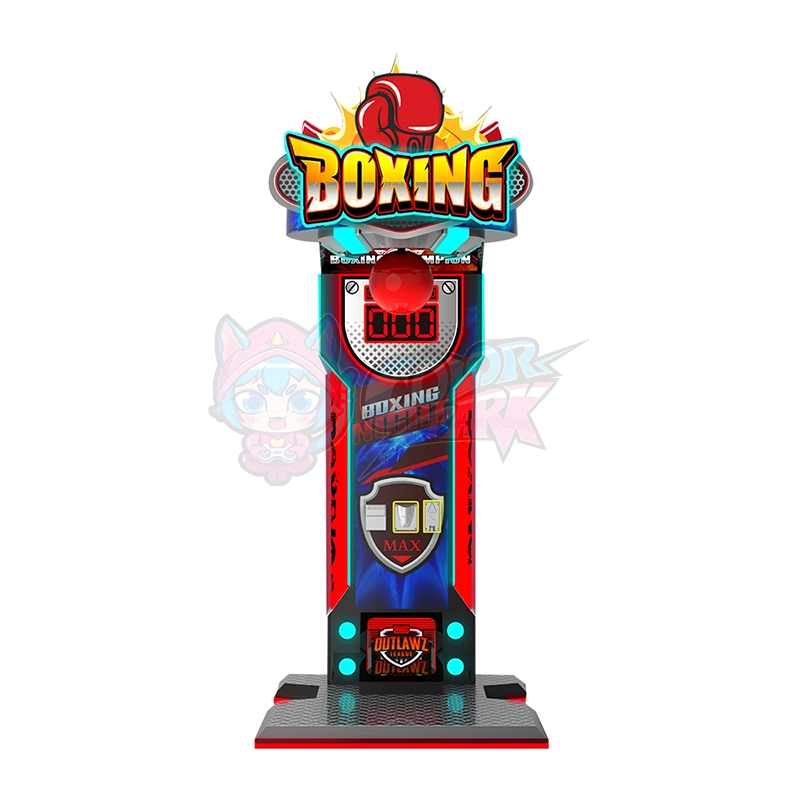
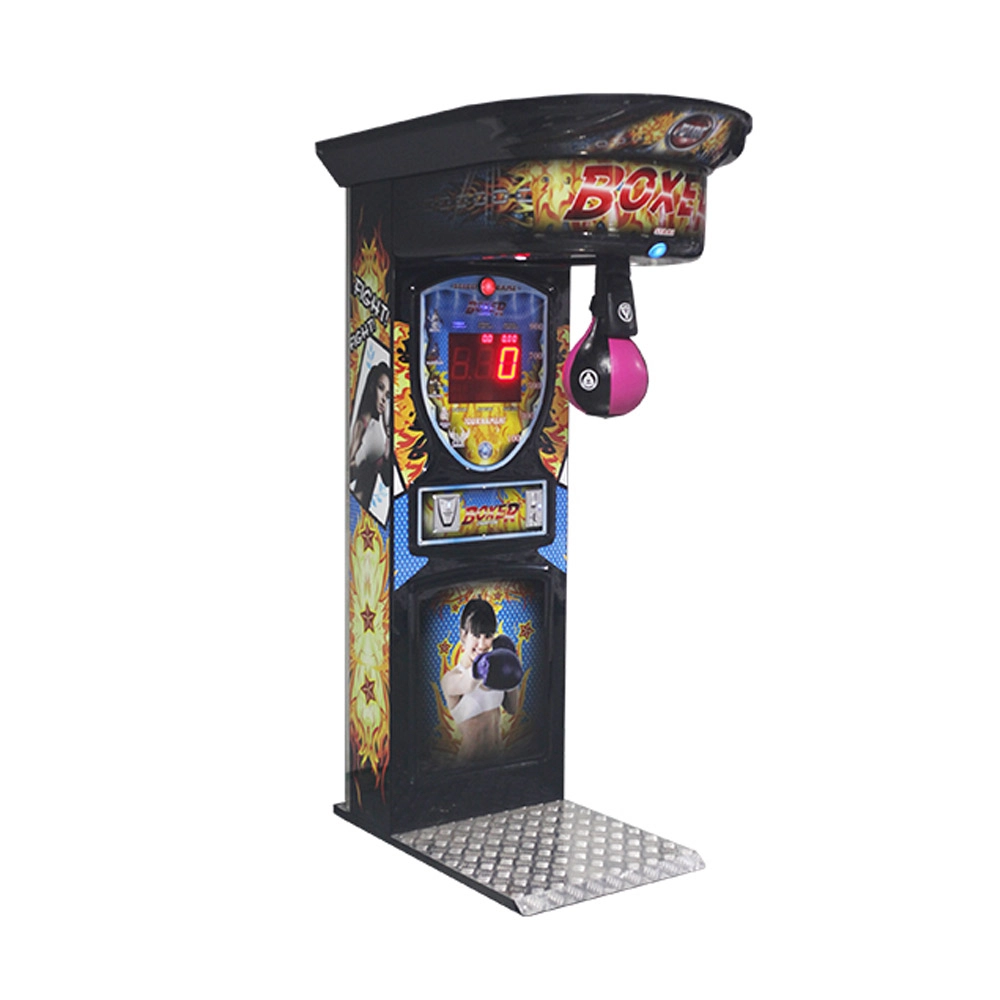
new customized logo good quality boxing arcade machine coin operated boxes game boxing machine music boxing machine
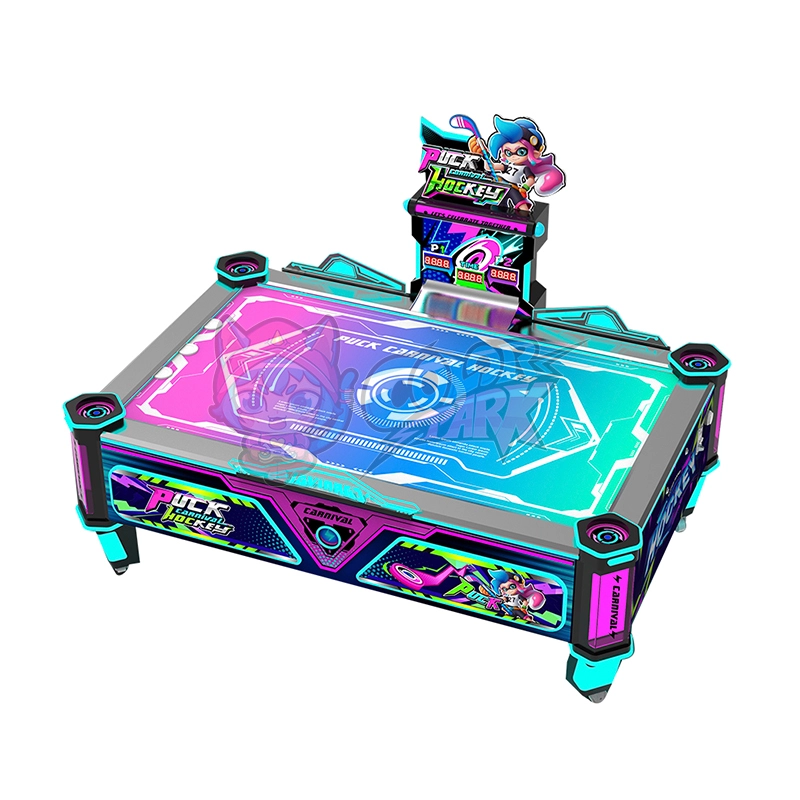
Hot selling indoor amusement ride coin-operated arcade machine new design air hockey 2026
Looking for More Insights? Reach Out to Us for Clarity.
Colorful Park
Colorful Park
Colorful Park
Colorful Park
Whatsapp: +8613538150631