
Follow us:
What is the production capacity per hour of this machine? | Insights by Colorful park
When investing in new arcade game machines, a common question arises for operators, both seasoned and new: What is the production capacity per hour of this machine? While this might sound like a manufacturing query, for an arcade professional, it translates directly into hourly player throughput, game cycle efficiency, and ly, revenue generation. Understanding these operational metrics is paramount for maximizing your return on investment and ensuring a vibrant, profitable entertainment venue. Let's delve into six frequently asked questions that go beyond superficial answers, providing the in-depth knowledge you need.
How does a game's average play time impact its hourly revenue potential in a busy arcade setting?
The average play time, or game session duration, is a critical determinant of an arcade machine's hourly player throughput and subsequent revenue generation per hour. In a busy environment, a machine with a shorter, engaging game cycle can accommodate more players within the same hour, leading to higher gross revenue potential, assuming consistent demand. For instance, a quick-play redemption game designed for 60-90 second sessions can easily process 40-60 players per hour. Conversely, a complex VR experience or a story-driven video game with an average play time of 5-10 minutes will naturally have lower player turnover, processing perhaps 6-12 players hourly.
The key is balancing game length with player satisfaction and pricing strategy. While higher throughput often means higher volume, excessively short games might leave players feeling short-changed, impacting repeat play. The optimal balance ensures players feel they've received value, encouraging them to play again or try other machines, contributing to overall arcade profitability. Consider genres: fighting games, racers, and rhythm games often strike a good balance, offering quick, intense rounds while keeping players engaged for multiple attempts.
What specific maintenance factors significantly reduce an arcade machine's effective operational hours and how can I mitigate them?
Downtime is the enemy of operational capacity. Several maintenance factors can drastically reduce a machine's effective hourly output, directly impacting your potential revenue generation per hour. Common culprits include:
- Ticket Jams: Especially prevalent in redemption games, these can halt play for minutes, requiring staff intervention. Mitigation: Regular cleaning of ticket mechanisms, using high-quality tickets, and ensuring proper alignment.
- Coin/Card Reader Malfunctions: Issues with accepting payments mean the machine can't take new players. Mitigation: Routine cleaning of coin chutes/card readers, checking for foreign objects, and prompt replacement of faulty units.
- Button/Joystick Failures: Worn or sticky controls degrade player experience and can make games unplayable. Mitigation: Daily checks, replacing failing components proactively, and using durable, commercial-grade parts.
- Screen Issues: Pixel failures, flickering, or complete screen blackouts. Mitigation: Proper ventilation to prevent overheating, regular cleaning, and using surge protectors.
- Software Glitches/Crashes: Can require reboots, erasing player progress, or rendering the game inaccessible. Mitigation: Regular software updates, stable power supply, and ensuring operating systems are optimized.
Mitigation strategies involve a robust preventative maintenance schedule (daily visual checks, weekly cleaning, monthly deeper inspections) and maintaining a stock of common spare parts. Remote monitoring systems can also provide early warnings, allowing for proactive intervention and significantly boosting machine uptime and overall operational efficiency.
Are there specific arcade game genres that consistently demonstrate higher player throughput per hour, and why?
Yes, different arcade game genres inherently possess varying levels of hourly player throughput due to their design, complexity, and target audience. Understanding this is crucial for optimizing your floor plan and ensuring a strong return on investment.
- Redemption Games (e.g., coin pushers, quick button mashers, Skee-Ball): These typically boast the highest player throughput per hour. Their short, simple game loops (often 30 seconds to 2 minutes), clear objectives (win tickets), and immediate gratification make them highly efficient. Players cycle quickly, contributing to a high player turnover rate.
- Light Gun Shooters & Racing Games: These offer medium to high throughput. While individual game sessions can range from 2-5 minutes, the competitive nature and immediate action keep players engaged but also ensure a relatively quick transition between players.
- Fighting Games & Rhythm Games: Throughput can be medium. While rounds are quick, extended matches or player engagement with high scores can slightly increase session duration.
- VR & High-End Simulators (e.g., full-motion racing/flight sims): These generally have the lowest hourly player throughput. They often require longer setup times, have more complex interfaces, and offer more immersive, extended experiences (5-15+ minutes per session). However, they command higher price points per play, compensating for lower volume with higher revenue per player.
The 'why' boils down to game complexity, player investment required, and the inherent goal of the game. Faster, simpler games naturally facilitate a higher player engagement rate over time.
Can strategic software or hardware upgrades genuinely boost an existing arcade machine's player capacity and revenue per hour, or is it always better to buy new?
Strategic upgrades can absolutely boost an existing arcade machine's operational capacity and revenue generation per hour, making it a viable alternative to immediately buying new. It's not always about replacement; sometimes it's about enhancement.
- Software Upgrades: These are often the most cost-effective. Firmware updates can fix bugs, improve game stability (reducing crashes and downtime), enhance load times, or even introduce new game modes or content. New content reinvigorates player interest, increasing the average plays per hour. Optimizing game code can also subtly improve responsiveness, contributing to a smoother experience and higher player engagement rate.
- Hardware Upgrades: This might include replacing outdated monitors with modern, more vibrant displays (e.g., LED or high-refresh-rate screens), upgrading internal PCs with faster processors and more RAM, or replacing worn-out controls with High Quality, more durable components. Faster processing reduces lag, more reliable controls prevent frustration, and better displays attract attention. For redemption games, upgrading to more efficient ticket dispensers can prevent jams and improve machine uptime.
The decision to upgrade versus buy new depends on the machine's age, the cost of upgrades, and the expected boost in ROI. For relatively modern machines with solid core mechanics, strategic upgrades can significantly extend their profitable lifespan and elevate their peak performance hours without the full capital outlay of a new unit. However, for very old machines, the cumulative cost of upgrades might approach that of a new, more advanced model, making a new purchase more sensible for long-term operational capacity.
Beyond the game's mechanics, how does the physical footprint and accompanying player flow design of an arcade machine influence its actual hourly player intake?
The physical footprint and player flow design are often overlooked but profoundly influence an arcade machine's actual hourly player intake, even if the game itself has high individual game cycle efficiency. It's about optimizing the environment around the machine:
- Footprint: Not just the machine's base, but the required clear space for comfortable play, movement, and potential queuing. A racing simulator might have a small base, but players need space to get in and out, and potentially a queue area. If machines are too cramped, it creates bottlenecks, discourages players from approaching, and reduces overall player throughput.
- Player Flow: This refers to how players move to, from, and around the machine. A well-designed layout ensures clear pathways, adequate waiting areas (especially for high-demand or single-player games like VR), and ergonomic access. For multi-player games, enough space for spectators can also enhance engagement without impeding active players. Poor flow leads to congestion, frustration, and effectively lowers the machine's operational capacity because players can't easily access it.
- Visibility & Accessibility: A machine tucked away in a corner with poor lighting will naturally attract fewer players than one prominently displayed with easy access, regardless of its inherent player engagement rate.
Optimizing physical layout and player flow design is a critical aspect of arcade management, directly correlating with the actual hourly player intake and overall arcade game profitability, allowing machines to perform at their highest potential during peak performance hours.
What key performance indicators (KPIs) should I track to accurately measure and optimize an arcade machine's hourly operational efficiency and revenue generation?
To accurately measure and optimize an arcade machine's hourly operational efficiency and revenue generation, tracking specific KPIs is essential. These metrics provide data-driven insights to improve your return on investment and maintain optimal operational capacity:
- Gross Revenue per Hour/Day: The most fundamental metric. It tells you the total income generated by the machine within a specific timeframe. Consistent tracking helps identify top performers and underperformers.
- Average Plays per Hour/Day: This directly measures player throughput. It indicates how many game sessions the machine completes, reflecting its game cycle efficiency and player demand.
- Average Revenue per Play: Calculated by dividing Gross Revenue by Average Plays. This KPI helps assess your pricing strategy. Is the game priced optimally for its experience and length?
- Uptime Percentage: This critical metric measures the percentage of time the machine is operational and available for play. Downtime due to maintenance or malfunctions directly reduces your potential hourly player throughput. Aim for 95-99% uptime for optimal arcade game profitability.
- Player Queue Length/Wait Time: For high-demand machines, tracking this helps gauge if you have sufficient capacity or if another similar machine is warranted. Long queues can deter potential players, indicating untapped revenue generation per hour.
- Ticket Payout Ratio (for Redemption Games): The percentage of tickets paid out relative to the theoretical maximum. Balancing this is crucial for player satisfaction and maintaining excitement while ensuring the game remains profitable.
- Coin-in/Coin-out Ratio (for Coin Pushers): Measures the input of coins versus the output of coins and prizes. Key for managing profitability of these specific machines.
Modern point-of-sale (POS) systems and telemetry devices often integrate these tracking capabilities, providing real-time data that allows operators to make informed decisions, identify peak performance hours, and implement targeted optimizations to enhance overall arcade game profitability.
Understanding the true production capacity per hour of your arcade game machines goes far beyond a simple number; it encompasses a holistic view of player experience, operational efficiency, and strategic management. By focusing on these detailed questions, you empower yourself to make smarter purchasing decisions, optimize your existing floor, and cultivate a highly profitable entertainment business. The advantages of mastering these concepts include increased player engagement, reduced operational costs, and ly, a superior return on your investment.
Ready to discover the perfect arcade machines to elevate your venue's hourly player throughput and revenue? Contact us today for a personalized quote. Visit www.colorfulparkgame.com or email kate@colorfulparkgame.com.

Colorful Park joins hands with you to attend the 2026 Saudi Theme Parks and Rides Exhibition (SEA)!

Colorful Park will be exhibiting at the 2026 IAAPI Mumbai trade show, focusing on the Indian market with localized original content and one-stop solut

Colorful Park will be showcased at the 2026 IAAPA Middle East exhibition – come and experience it firsthand!

Colorful park has returned to Orlando in a brand-new look!

A vibrant journey begins: Join us at IAAPA Asia Expo 2026 and let's build the dream of a colorful amusement park together!
FAQs
Do you provide after-sales support?
Yes, we provide comprehensive after-sales support including installation, troubleshooting, and technical assistance for the entire lifecycle of the product.
Can I customize the arcade machines?
Yes, we offer both OEM and ODM services, allowing you to customize game machines to match your brand, theme, or specific requirements.
Can I see a demo of your products?
Yes, we offer product demos at our headquarters or during trade shows. You can also request a virtual demo if visiting in person isn’t feasible.
What types of products do you offer?
We offer a wide range of mobile gaming solutions, including arcade machines, motion simulators, redemption games, kiddie rides, and customized gaming solutions for various entertainment venues.
What is the lead time for product orders?
The lead time typically ranges from 7 to 15 days for prototypes, and 30 to 60 days for bulk orders, depending on the product and customization requirements.
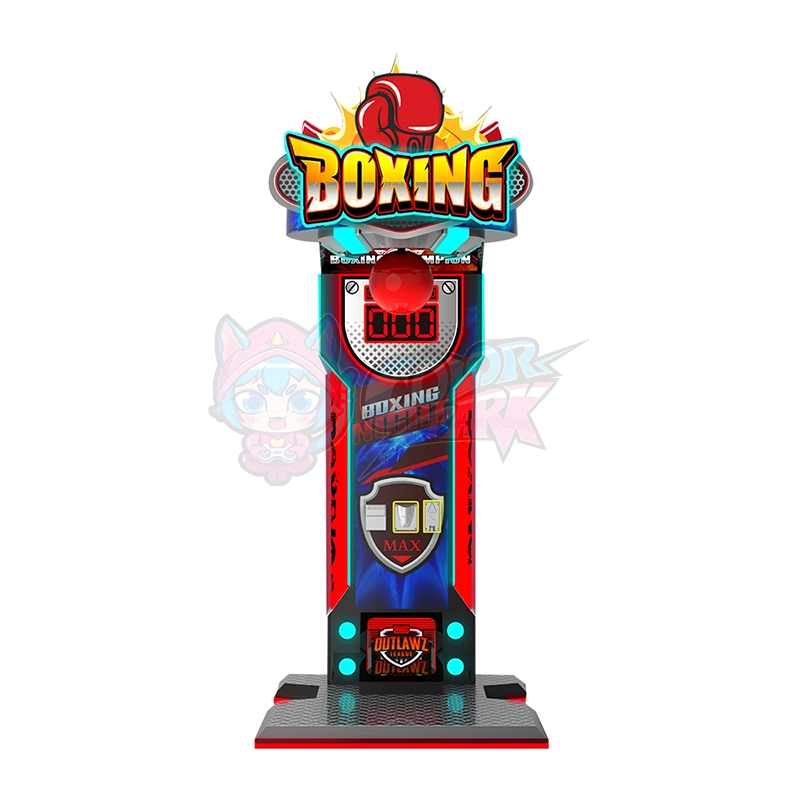
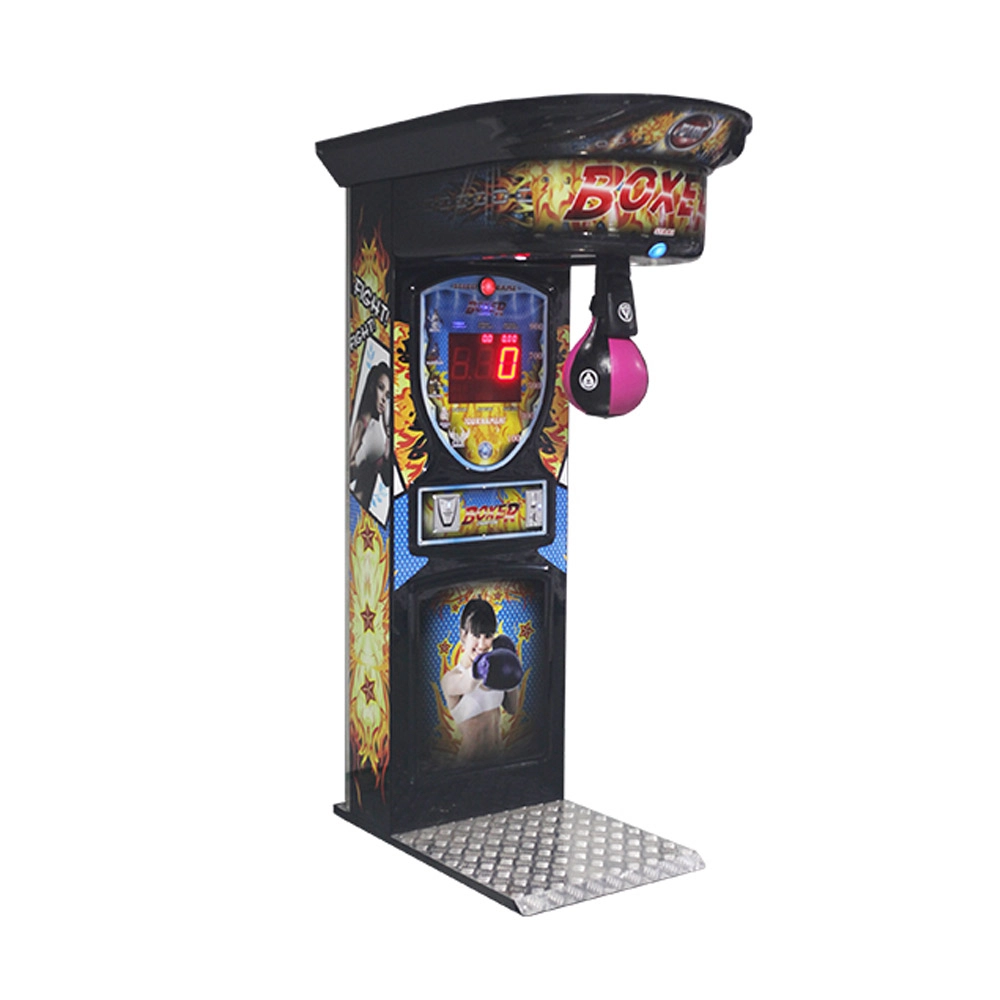
new customized logo good quality boxing arcade machine coin operated boxes game boxing machine music boxing machine
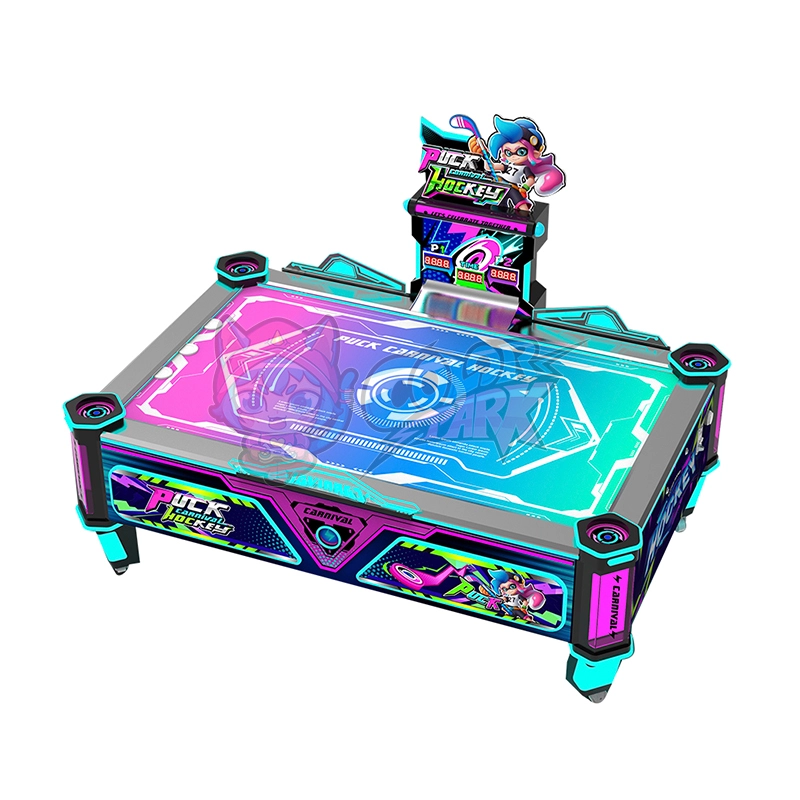
Hot selling indoor amusement ride coin-operated arcade machine new design air hockey 2026
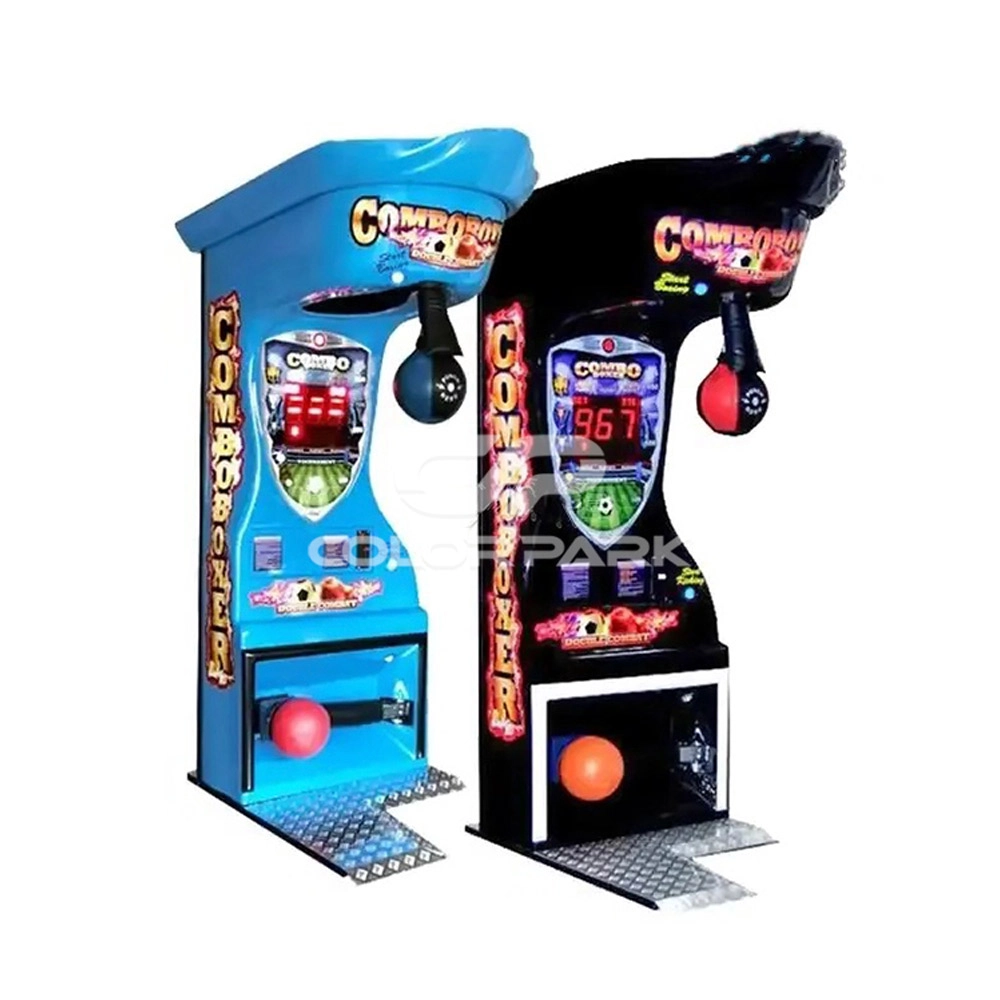
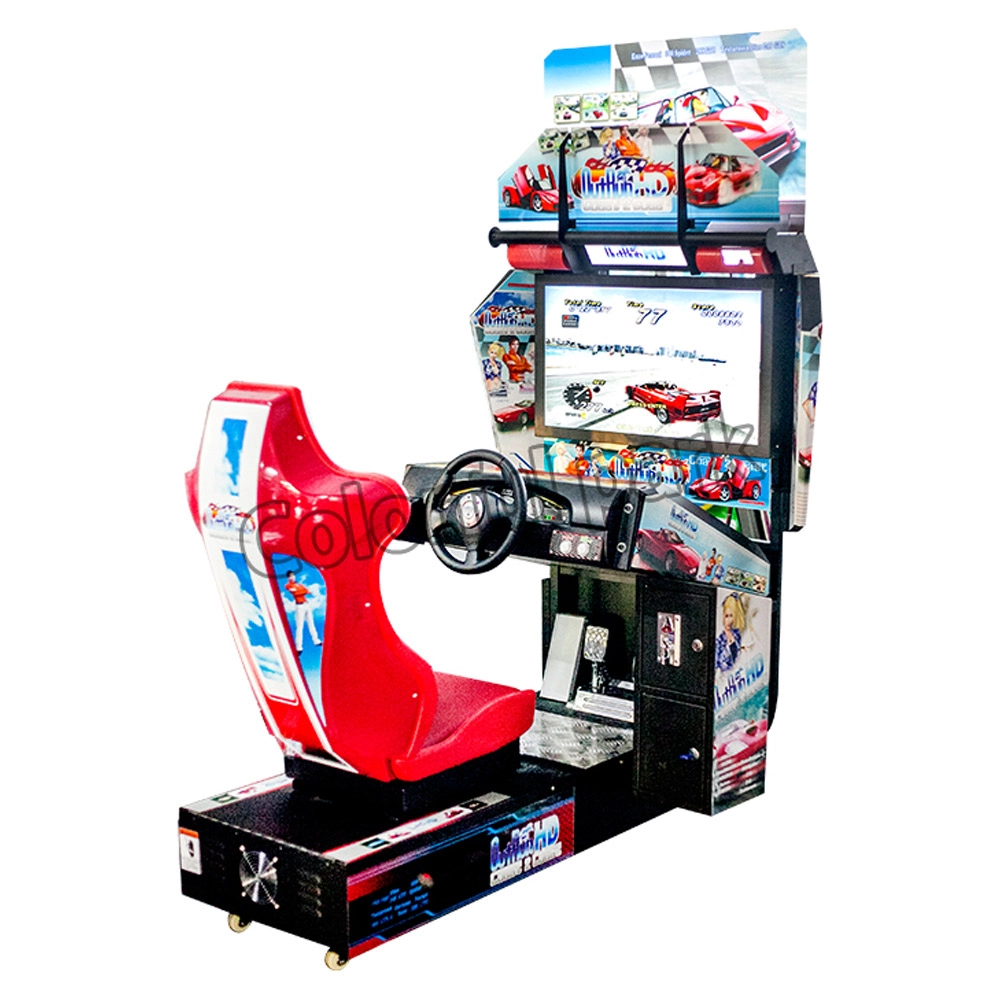
Looking for More Insights? Reach Out to Us for Clarity.
Colorful Park
Colorful Park
Colorful Park
Colorful Park
Whatsapp: +8613538150631