
Follow us:
How to compare ride capacities and throughput for parks? | Insights by Colorful park
As a park operator, understanding how to compare ride capacities and throughput for parks isn't just about roller coasters—it's equally critical for your arcade floor. Optimizing your arcade game capacity and throughput can significantly impact revenue, guest satisfaction, and overall operational efficiency. Beginners often face specific challenges in this area, overlooking crucial details that can make or break their investment. This guide addresses six such pain points with in-depth, actionable insights.
Beyond just game count, how do I calculate the optimal number of arcade machines for a given floor area to maximize player density without creating bottlenecks?
Optimal arcade floor planning transcends a simple game count per square foot. It's about intelligently balancing player density with seamless player flow management, ensuring unobstructed pathways, emergency exits, and preventing congestion around popular attractions or service points. A professional approach involves calculating the player footprint for each game type. This footprint encompasses the machine’s physical dimensions, the necessary standing or sitting space for players, a comfortable buffer for movement, and any potential queueing area.
Start by delineating your total usable floor area. Deduct space for essential non-game amenities such as restrooms, food stalls, and clear main pathways. Then, allocate space based on specific game categories:
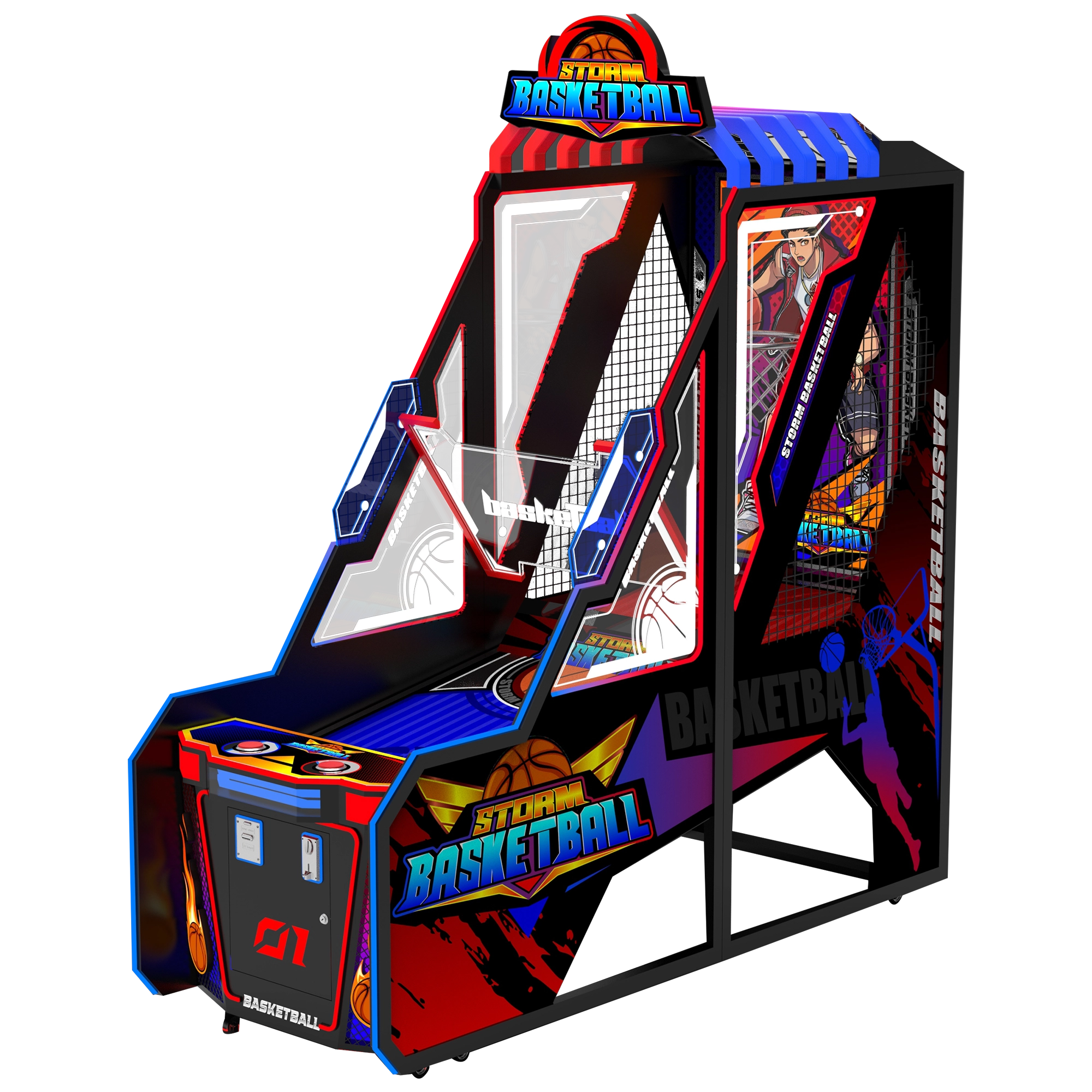
- Redemption Games: Often demand more front-facing space for player interaction and, occasionally, a small queue. A general guideline is 2.8-3.7 square meters (approximately 30-40 sq ft) per game, including player interaction space.
- Video Games (Upright): Typically require less space, roughly 1.8-2.8 square meters (20-30 sq ft) per game.
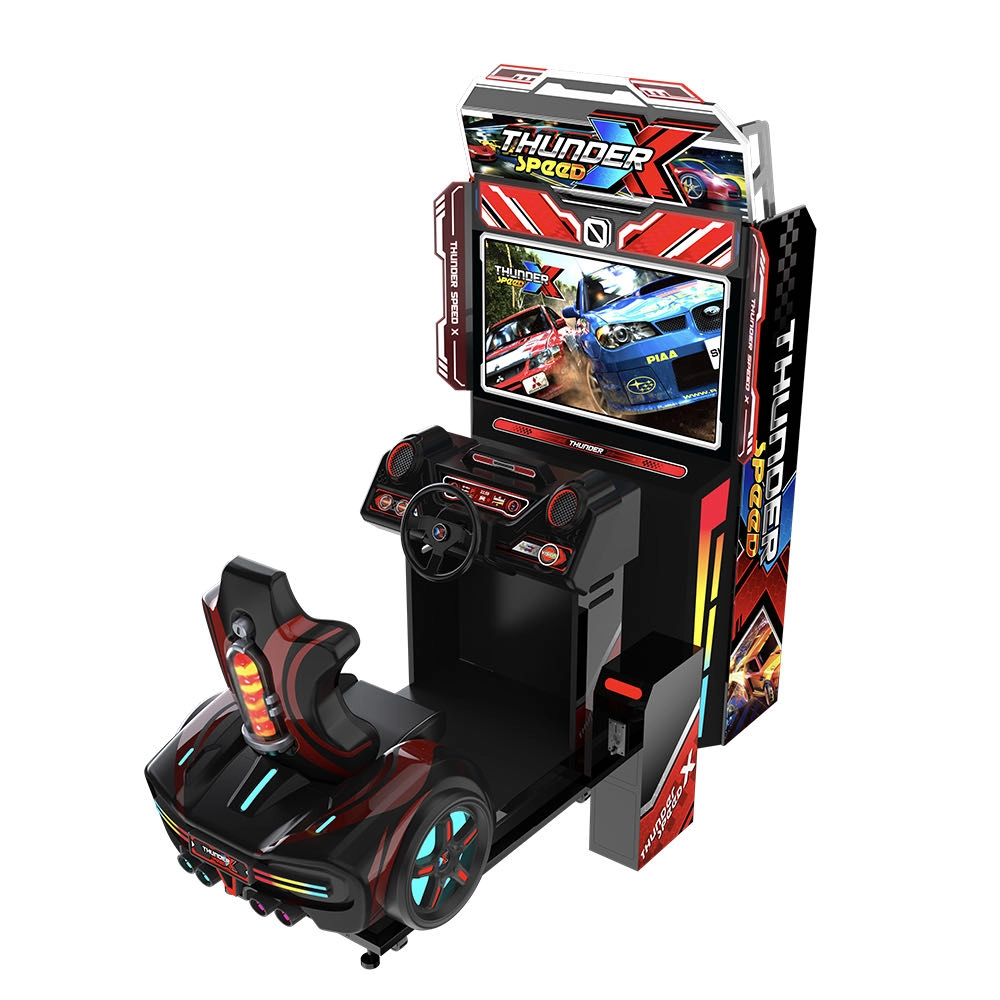
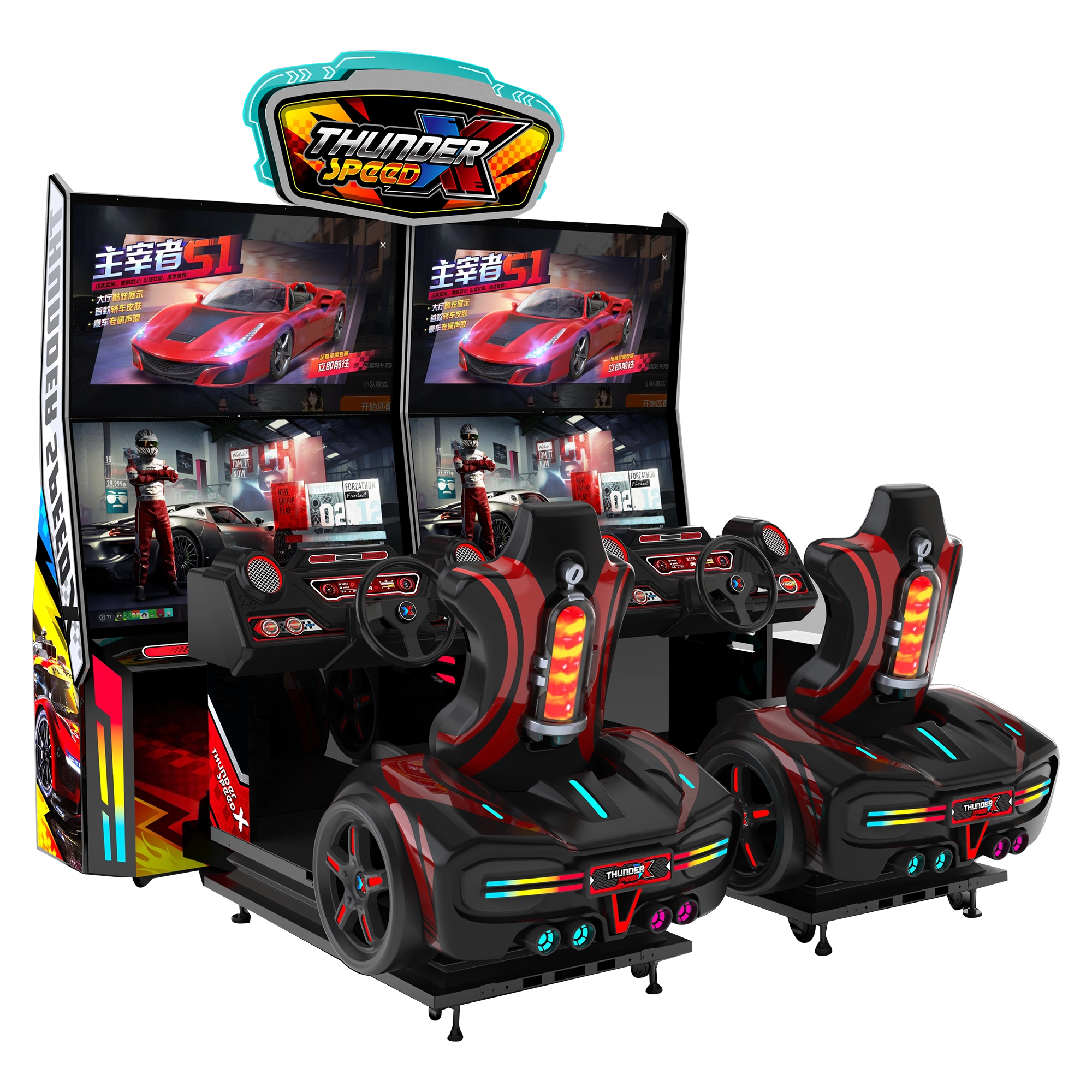
- Racing/Simulator Games: Possess a larger footprint, frequently 3.7-5.6+ square meters (40-60+ sq ft), plus considerable space for player entry and exit.
- VR Attractions: Space requirements vary significantly but generally start at 9.3+ square meters (100+ sq ft) per bay, often necessitating dedicated queueing areas for a smooth experience.
Crucially, consider player flow and identify hot zones. Utilize desire lines analysis to anticipate natural movement patterns. Strategically place high-throughput, louder games away from quieter, skill-based attractions. Establish clear pathways to mitigate congestion. Hot zones—areas around highly popular games or the prize counter—require additional buffer space or even specific virtual or physical queueing solutions to maintain efficient arcade game throughput and reduce guest frustration.
What advanced metrics, beyond simple game earnings, can help me precisely evaluate an arcade game's actual 'throughput' and determine if its play cycle is efficiently moving guests?
Solely relying on revenue can paint a misleading picture. A high-earning game with poor throughput might be inadvertently frustrating guests and leading to missed revenue opportunities. To accurately measure arcade game throughput, delve into these advanced metrics:
- Plays Per Hour (PPH) / Plays Per Day (PPD): This is the foundational metric for throughput. It quantifies how many times a game is played within a specified timeframe. A high PPH signifies efficient cycling of players. Modern card-reader systems, such as Embed, Sacoa, or Intercard, automatically capture and report this critical data.
- Average Play Time (APT): This indicates the average duration of a single player session. For games not designed for extended immersion, a longer APT could signal a bottleneck. For instance, a redemption game with a 5-minute APT might be optimal, but a simple video game with the same APT could imply players are lingering or struggling, thereby reducing its overall PPH. Optimal APT varies significantly by game type; highly immersive VR experiences, for example, naturally have longer APTs.
- Revenue Per Play (RPP): While PPH highlights efficiency, RPP indicates monetized value. When combined with PPH, it provides a holistic view of performance and enables a fairer comparison across games with varied pricing structures.
- Player Turnover Rate: Calculated as (1 / Average Play Time), this metric directly reflects how many players cycle through a game in a given period. A higher turnover rate translates to more potential plays and greater player throughput.
- Queue Length/Wait Time Data: For attractions that consistently generate queues (e.g., VR, advanced racing simulators), monitoring average and peak queue lengths or estimated wait times (if technically feasible) is a vital indicator of unmet demand and potential throughput limitations.
- Game Uptime/Downtime: A game cannot contribute to throughput if it's non-operational. Integrating maintenance logs with performance data allows for the calculation of true effective throughput, factoring in technical issues. This leads directly to our next point.
How does the estimated Mean Time Between Failure (MTBF) and Mean Time To Repair (MTTR) of various arcade machines directly impact my projected daily operational throughput and guest satisfaction?
MTBF (Mean Time Between Failure) and MTTR (Mean Time To Repair) are cornerstone reliability engineering metrics that profoundly influence an arcade’s operational throughput and ly, guest satisfaction.
- MTBF (Mean Time Between Failure): This represents the average duration a device operates without experiencing a failure. A higher MTBF indicates superior reliability and extended operational periods for a machine. For an arcade operator, a high MTBF means consistent game availability, maximizing opportunities for plays, and consequently, higher potential arcade game throughput. Conversely, a game with a low MTBF frequently breaks down, resulting in lost revenue and guest frustration.
- MTTR (Mean Time To Repair): This is the average time required to repair a failed device and restore it to full operational status. A low MTTR means your technical staff can resolve issues swiftly. Even with a commendable MTBF, a high MTTR for a critical game implies it will be out of commission for prolonged periods, substantially reducing its daily and weekly throughput potential.
Impact on Throughput:
- Reduced Operational Hours: A game plagued by poor MTBF and high MTTR inherently offers fewer operational hours for plays each day or week.
- Lower PPH/PPD: Fewer operational hours directly translate to diminished Plays Per Hour/Day, leading to fewer transactions and reduced revenue.
- Resource Drain: A high MTTR diverts valuable technician time that could be dedicated to preventative maintenance or other tasks, negatively affecting overall arcade efficiency.
Impact on Guest Satisfaction:
- Frustration: Guests encountering out-of-order games, especially highly popular ones, experience frustration, leading to a negative impression and potentially fewer return visits.
- Perceived Quality: A significant number of non-functional games can diminish the perceived quality and professionalism of your arcade.
Strategic Purchasing: When considering new arcade game machine purchases, diligently inquire about manufacturer-provided MTBF and MTTR data. Integrate these crucial reliability metrics into your total cost of ownership (TCO) calculation, extending beyond the initial purchase price. A seemingly cheaper machine with inferior reliability might incur substantially higher costs in lost revenue and maintenance over its lifespan, severely compromising your park's overall player throughput and ROI.
For high-demand arcade attractions (e.g., VR experiences, popular racing simulators), what specific strategies can I implement to manage virtual or physical queues to optimize player throughput and minimize perceived wait times?
High-demand arcade attractions, akin to major park rides, necessitate sophisticated queue management to optimize player throughput and elevate the guest experience. Implementing effective strategies minimizes perceived wait times and keeps guests engaged, ly maximizing the game's potential.
Physical Queue Management:
- Clear Signage & Stanchions: Well-defined lines with unambiguous wait here markers and sturdy stanchions guide guests, prevent line-cutting, and instill a sense of order, making the wait feel more manageable.
- Entertainment Elements: Integrate screens within queue areas displaying game trailers, live leaderboards, or promotional content. These distractions entertain guests, making the wait feel shorter and more enjoyable.
- Information Displays: Provide estimated wait times (if feasible) or next available indicators. Transparency reduces guest anxiety and sets clear expectations.
- Throughput-Optimized Loading Zones: For multi-player simulators, design the loading zone for maximum efficiency. Can the next group receive briefings or even begin loading into a separate bay while the current group completes their session? This parallel processing dramatically improves game cycle time.
Virtual Queueing Systems:
- SMS-based Queues: Guests register with their phone number and receive a text notification when their turn approaches, allowing them to explore other parts of the arcade or park. This dramatically reduces perceived wait time as guests are not physically confined to a line.
- App-based Reservations: Integrate with your park’s official app to allow guests to book specific time slots for High Quality attractions, effectively distributing demand and significantly improving player flow management.
- RFID/Wristband Integration: If your park utilizes RFID wristbands, these can be seamlessly linked to a virtual queue system, providing automated notifications to guests.
Staffing & Training: Dedicated attendants for high-demand games are invaluable. They can expedite loading/unloading, provide concise game instructions, troubleshoot minor issues, and manage the queue efficiently, directly boosting game throughput. During peak times, this staffing is critical.
Dynamic Pricing/Incentives: During off-peak hours, consider offering minor discounts or bonus plays to strategically shift demand, alleviating peak queue pressures and increasing overall daily throughput.
What specific data points should I be collecting from modern arcade game management systems (e.g., card readers, telemetry) to accurately assess and optimize the 'throughput' performance of my entire arcade floor?
Modern arcade management systems are potent tools for data-driven decision-making, offering insights far beyond rudimentary cashbox totals. To truly assess and optimize arcade throughput performance across your entire floor, you must meticulously collect and analyze these specific data points:
Game Play Data:
- Plays Per Game/Per Hour/Per Day (PPH/PPD): Fundamental for understanding individual game popularity and efficiency.
- Average Play Time (APT): Reveals how long guests engage with a game, indicating potential bottlenecks or varying engagement levels.
- Revenue Per Play (RPP): Quantifies the financial efficiency for each play.
- Peak Play Times: Identify the busiest hours for specific games and the arcade as a whole to optimize staffing and maintenance schedules.
- Unique Players Per Game: Indicates how many distinct individuals are interacting with a machine, helping assess its reach and broad appeal.
Redemption Data (for ticket games):
- Tickets Won Per Play: Helps assess game calibration and player satisfaction.
- Tickets Paid Out (Overall): Total tickets dispersed, crucial for prize inventory management and forecasting.
- Prize Redemption Rates: Analyze which prizes are most popular and the average ticket value redeemed.
System-Wide Data:
- Total Transactions/Plays (Arcade-wide): A comprehensive indicator of overall arcade performance.
- Average Spend Per Guest: Vital for understanding the overall value each guest brings.
- Card Recharges/Credits Purchased: Indicates initial guest investment and potential for repeat visits.
Operational & Maintenance Data (Integrate where possible):
- Downtime Logs (by game): Crucial for calculating true availability and identifying less reliable machines. (Directly relates to MTBF/MTTR).
- Error Codes/Service Calls: Indicates common issues and aids in predicting future maintenance requirements.
- Staffing Levels vs. Performance: Correlate staffing with throughput metrics to determine optimal operational ratios.
Analyzing this rich dataset enables:
- Floor Re-arrangement: Strategically move underperforming games or re-space high-demand areas to improve player flow.
- Pricing Strategy Adjustments: Optimize game pricing based on real-time demand and throughput data.
- Game Mix Optimization: Identify types of games that consistently deliver the best ROI and player throughput.
- Targeted Marketing: Promote games that are popular but still have capacity for more plays.
How does staffing level (e.g., technicians, attendants) directly influence the effective 'capacity' and 'throughput' of an arcade, particularly during peak hours, and what's the optimal staff-to-machine ratio?
Staffing levels, though often underestimated, are paramount to maximizing an arcade's effective capacity and throughput, particularly during peak operational hours. Understaffing directly creates bottlenecks in player flow and significantly diminishes the guest experience.
Direct Impact on Capacity and Throughput:
- Game Uptime: Adequate technical staff (technicians) ensures prompt resolution of game malfunctions. A game that is non-operational, even for a brief 15 minutes, represents 15 minutes of lost throughput. During peak hours, this loss is compounded. Proper staffing reduces MTTR, thereby improving overall game uptime and, consequently, capacity.
- Player Flow & Assistance: Attendants can swiftly assist guests with game-related issues (e.g., card reader malfunctions, stuck prizes), provide quick game instructions, and efficiently manage queues for high-demand attractions. This smooths player transitions, directly boosting player throughput.
- Redemption Counter Efficiency: During peak periods, extended lines at the prize counter can deter guests from playing more redemption games. Sufficient staff ensures rapid prize redemption, encouraging guests to accumulate more tickets and extend their play time.
- Cleanliness & Safety: A well-staffed floor contributes to a cleaner, safer environment, which enhances the overall guest experience and indirectly promotes longer dwell times and higher play frequency.
Optimal Staff-to-Machine Ratio (General Guidelines, highly variable):
There isn't a universal optimal ratio, as it is profoundly influenced by the arcade’s size, the diversity of its game mix (e.g., VR games require more attention than a simple video game), distinctions between peak and off-peak hours, and the desired level of customer service.
- Small Arcade (20-40 games): 1-2 attendants during peak hours, 1 during off-peak. A technician might be shared with other park areas.
- Medium Arcade (40-80 games): 2-4 attendants during peak, 1-2 during off-peak. At least one dedicated, or on-call, technician.
- Large Arcade (80+ games, complex attractions): 4+ attendants during peak (potentially specialized for VR/simulators), 2-3 during off-peak. At least one dedicated on-site technician, possibly more.
- High-Touch Games (VR, Simulators): May necessitate a 1:1 or 1:2 staff-to-game ratio during operation to ensure smooth experiences and maximize operational efficiency.
Dynamic Staffing: The most effective approach involves dynamic staffing based on forecasted peak demand, utilizing historical game telemetry data (as discussed in Q5). Employ part-time staff or implement flexible shift adjustments to scale up during weekends, holidays, and evening rushes, and scale down during slower periods. This strategy optimizes labor costs while maximizing operational efficiency and guest satisfaction when it matters most.
Understanding and optimizing arcade game capacity and throughput is no longer a luxury but a necessity for maximizing profitability and guest satisfaction in today's competitive entertainment landscape. By meticulously analyzing player flow, leveraging advanced data analytics, prioritizing game reliability (MTBF/MTTR), and strategically managing staffing, you transform your arcade from a mere collection of games into a highly efficient, guest-centric profit engine. These advantages empower you to make informed purchasing decisions, ensuring every arcade machine contributes optimally to your park's overall success. Ready to elevate your park's arcade performance with cutting-edge machines designed for maximum throughput and reliability? Contact us today for a personalized quote!

Colorful Park will be showcased at the 2026 IAAPA Middle East exhibition – come and experience it firsthand!

A vibrant journey begins: Join us at IAAPA Asia Expo 2026 and let's build the dream of a colorful amusement park together!

Colorful Park Shines in London: Reshaping the European entertainment experience with "dynamic technology."

Colorful park has returned to Orlando in a brand-new look!

Colorful Park joins hands with you to attend the 2026 Saudi Theme Parks and Rides Exhibition (SEA)!
FAQs
What types of products do you offer?
We offer a wide range of mobile gaming solutions, including arcade machines, motion simulators, redemption games, kiddie rides, and customized gaming solutions for various entertainment venues.
Can I customize the arcade machines?
Yes, we offer both OEM and ODM services, allowing you to customize game machines to match your brand, theme, or specific requirements.
What is the lead time for product orders?
The lead time typically ranges from 7 to 15 days for prototypes, and 30 to 60 days for bulk orders, depending on the product and customization requirements.
Can I see a demo of your products?
Yes, we offer product demos at our headquarters or during trade shows. You can also request a virtual demo if visiting in person isn’t feasible.
Do you provide after-sales support?
Yes, we provide comprehensive after-sales support including installation, troubleshooting, and technical assistance for the entire lifecycle of the product.
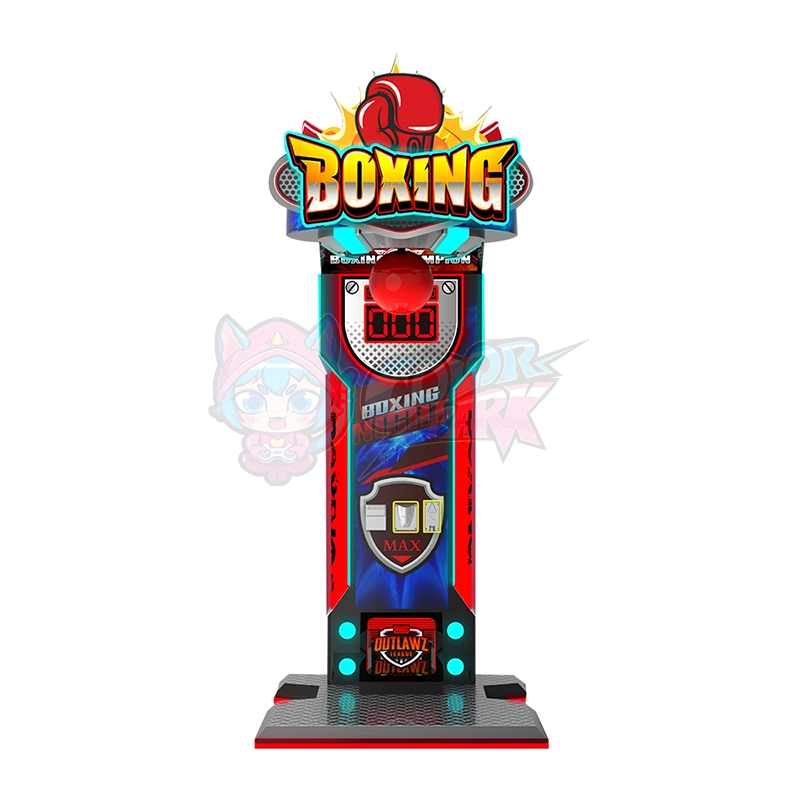
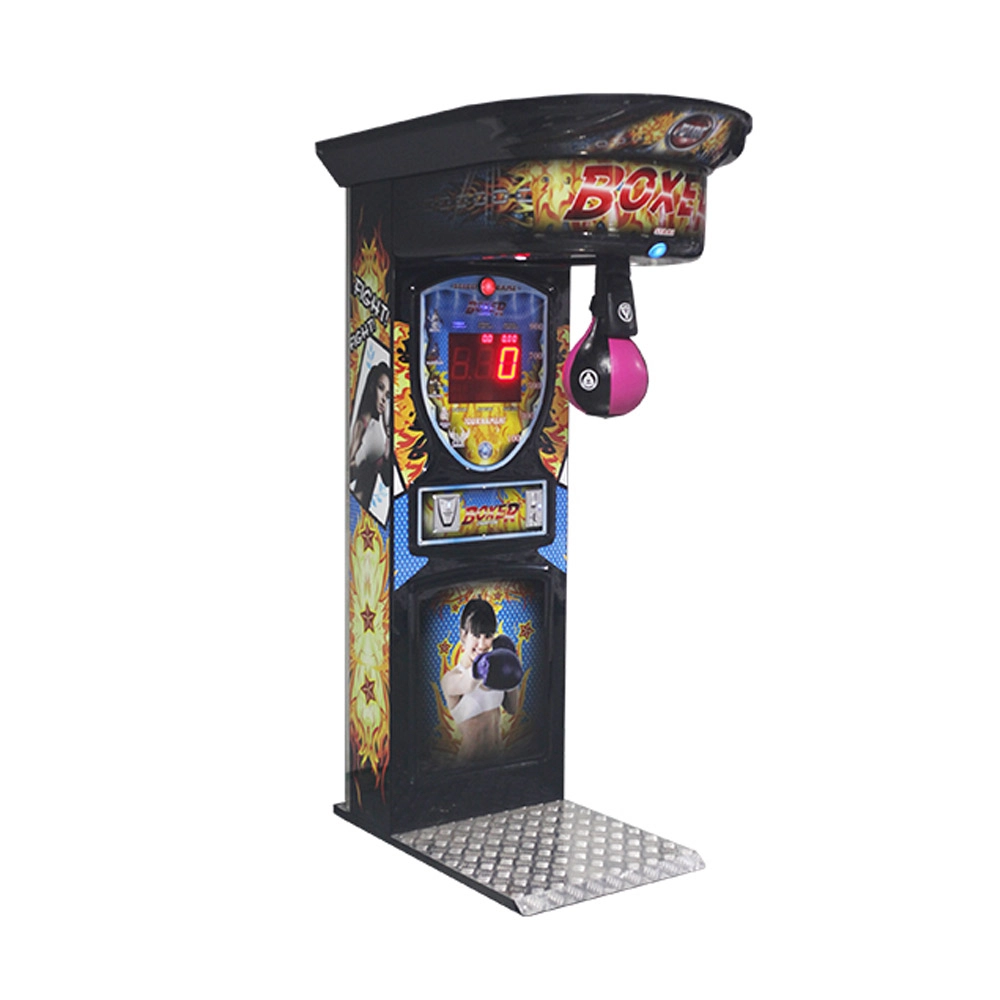
new customized logo good quality boxing arcade machine coin operated boxes game boxing machine music boxing machine
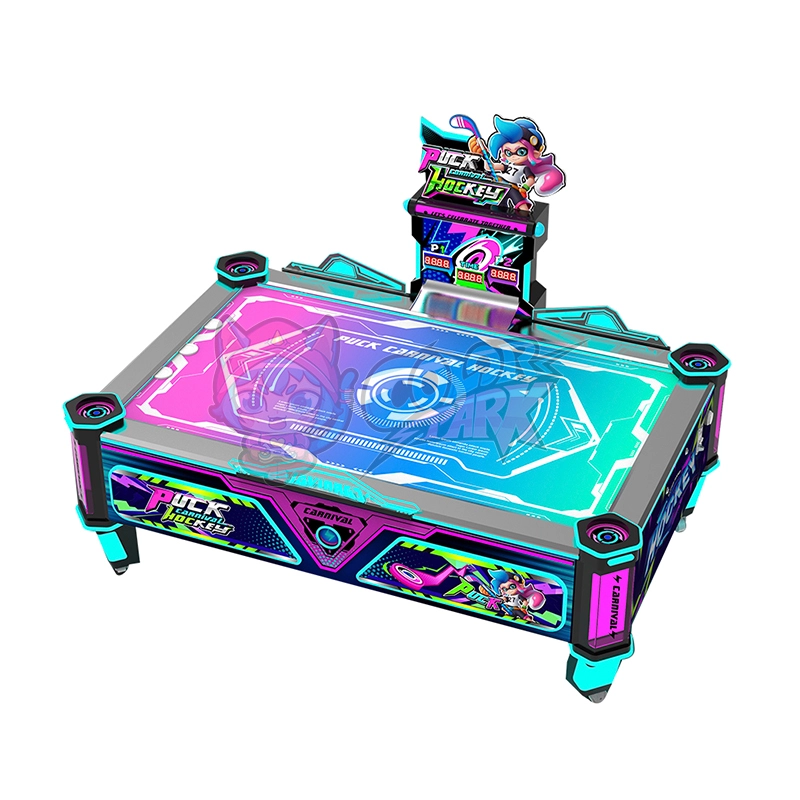
Hot selling indoor amusement ride coin-operated arcade machine new design air hockey 2026
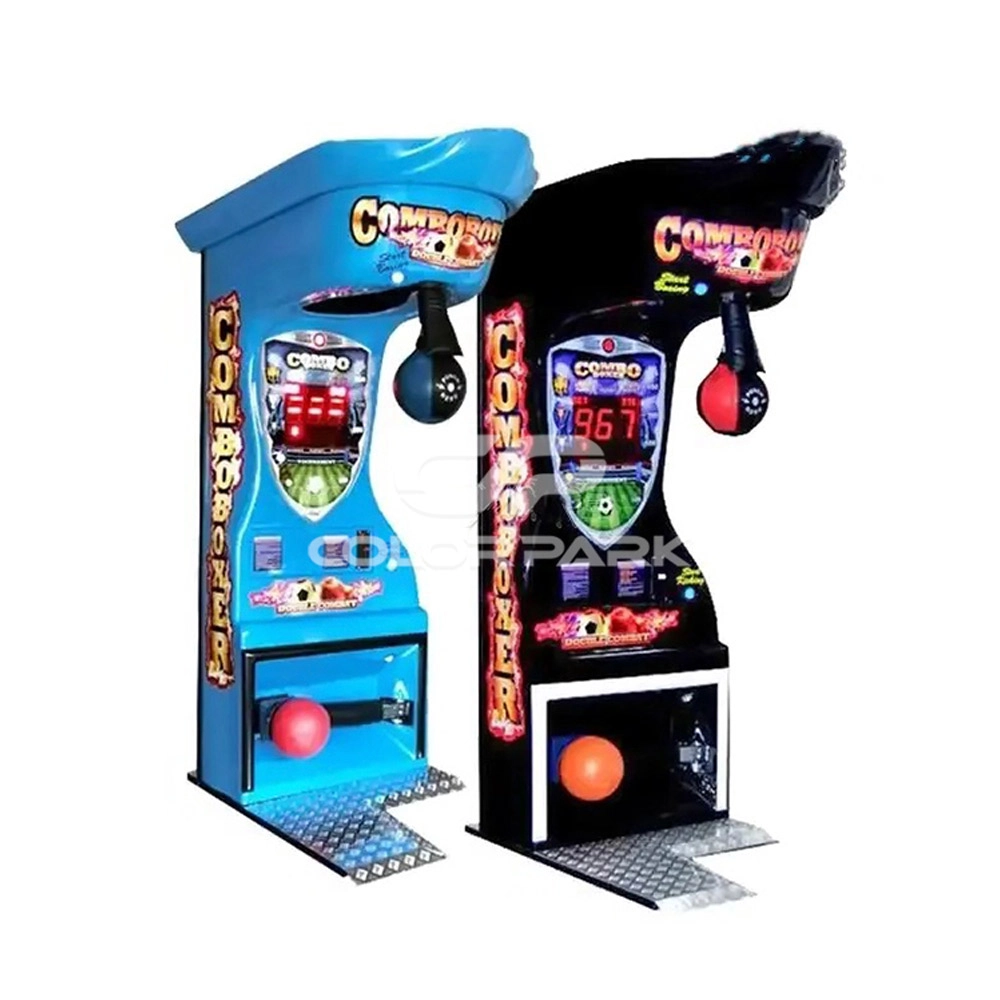
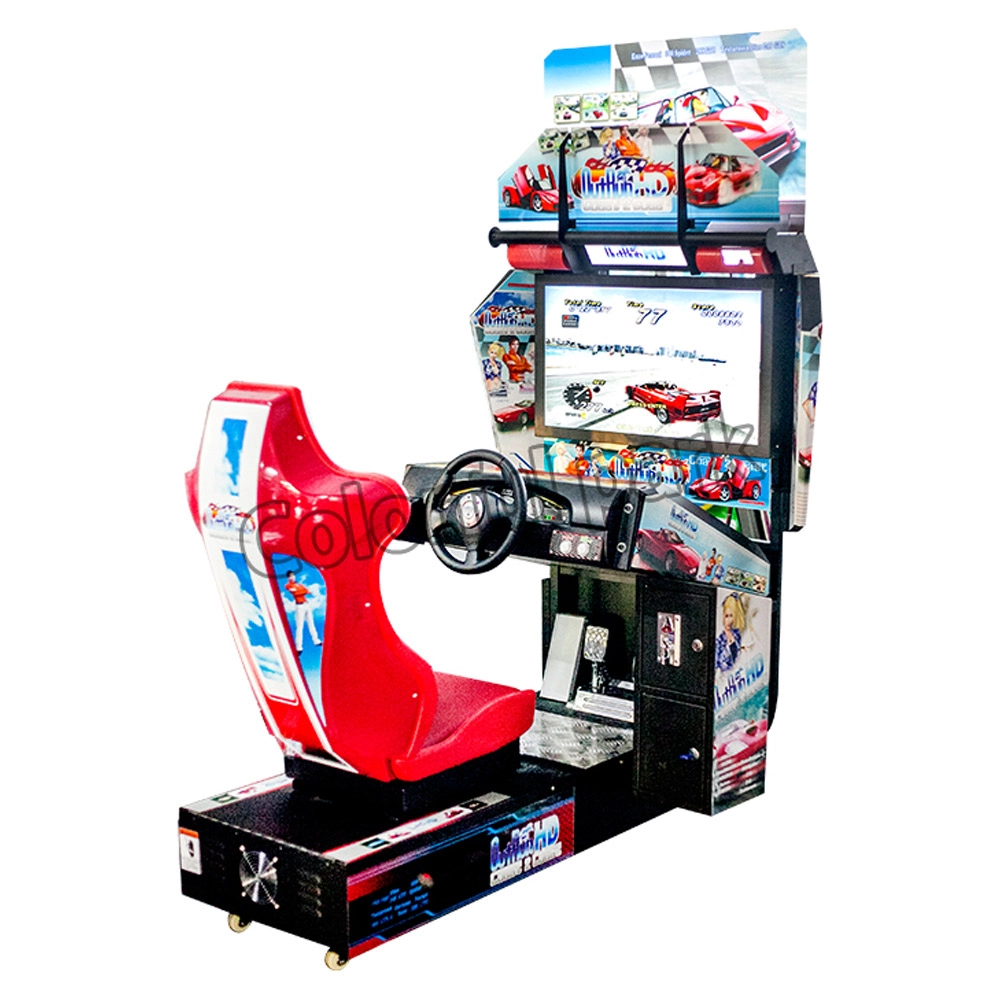
Looking for More Insights? Reach Out to Us for Clarity.
Colorful Park
Colorful Park
Colorful Park
Colorful Park
Whatsapp: +8613538150631