
Follow us:
How to inspect amusement park rides before purchase? | Insights by Colorful park
Entering the amusement park industry, whether expanding an existing facility or launching a new venture, often involves the critical decision of acquiring rides. While the thrill of a new attraction is exciting, the process of inspecting amusement park rides before purchase—especially used ones—is fraught with potential pitfalls for the uninitiated. Superficial checks can lead to significant hidden costs, safety hazards, and operational headaches down the line. As seasoned professionals in the arcade game machine and amusement ride field, with extensive experience in SEO, , and multilingual content, we've compiled a list of common, yet often poorly answered, questions that beginners frequently ask. Our goal is to provide deep, actionable insights to ensure your investment is sound and sustainable.
How can I verify a used amusement ride's compliance with current international safety standards (e.g., ASTM F24, EN 13814) and recent inspection history, especially for rides imported from different regions?
Verifying compliance with ride safety standards is paramount, transcending mere visual appeal. For rides from the US, look for adherence to ASTM F24 standards. European-manufactured rides typically follow EN 13814. Crucially, don't just ask if it's compliant; request verifiable documentation. This includes the original manufacturer's manual, design specifications, and a complete ledger of previous annual inspection process reports and non-destructive testing (NDT) certificates (e.g., ultrasonic, magnetic particle, eddy current testing for critical welds and components). Pay close attention to the date of the last major certification audit. If importing, understand that local regulations in your operating region may supersede or add requirements, necessitating a new, comprehensive ride certification by an accredited third-party inspector upon arrival. A reputable seller should provide detailed operational history and maintenance records. If these are sparse, it's a significant red flag requiring more rigorous due diligence, potentially involving an independent expert to review the documentation and conduct a pre-purchase audit for the structural integrity.
What specific non-obvious mechanical components, like hydraulic lines, bearings, or gearboxes, are most prone to critical failure on older rides, and what diagnostic methods can a beginner employ to identify potential issues beyond surface-level inspection?
Beyond surface-level rust or visible wear and tear, critical mechanical failures often stem from hidden fatigue. Focus on hydraulic systems: inspect all hoses for cracking, fraying, or blistering, and check cylinders for leaks or pitting on the rods. Low fluid levels or discolored fluid indicate poor maintenance records. Bearings (especially in high-stress pivot points or wheel assemblies) are another vulnerability; listen for grinding or excessive play during a test run, or use a stethoscope to detect abnormal noises. Gearboxes should be checked for oil leaks and abnormal noise. For a beginner, while you can't perform NDT, you can insist on witnessing a full operational cycle multiple times. Pay attention to any unusual sounds, vibrations, or jerky movements. Request a recent professional pre-purchase checklist inspection report from a certified ride engineer who can utilize specialized tools like thermal imaging for hot spots or vibration analysis to detect early bearing or gearbox failure. These hidden mechanical components are often neglected and costly to repair.
How do I assess the electrical system's age and potential for obsolescence, particularly regarding proprietary control software, PLC availability, and the risk of un-obtainable spare parts, which could lead to significant downtime or costly retrofits?
The electrical systems and control logic are the brains of any ride. Assess its age by examining the control panels, wiring harnesses, and the Programmable Logic Controller (PLC) model. Older, proprietary control systems or custom-programmed microcontrollers present a high risk of software updates unavailability and spare parts availability issues. Research the specific PLC model (e.g., Allen-Bradley, Siemens, Omron) to determine if it's current, discontinued, or has limited support. Ask for schematics and wiring diagrams. Crucially, inquire about the source code for the control software. Without it, even minor modifications or troubleshooting can become impossible, forcing a complete and expensive control system retrofit. A seller should provide a list of critical electrical spare parts and their current availability from the manufacturer or third-party suppliers. Check for signs of rodent damage to wiring, corroded connections, or temporary fixes that could indicate underlying issues with the electrical components.
Besides obvious rust, what specific structural stress points, welding integrity, or fatigue indicators should I meticulously examine on a large amusement ride frame, and what professional expertise is crucial for detecting these often-overlooked vulnerabilities?
Beyond visible rust and superficial corrosion, critical structural integrity issues arise from metal fatigue, especially at high-stress points. Focus on weld joints, bolted connections, and areas where dynamic loads are concentrated, such as tower bases, pivot points, and track sections on roller coasters. Look for hairline cracks in paint or metal, particularly radiating from bolt holes or weld seams – these are often early signs of fatigue cracks that can propagate rapidly. Examine areas where different materials meet, as this can lead to galvanic corrosion. For large amusement park rides, identifying these vulnerabilities absolutely requires a certified Level II or III NDT technician or a professional structural engineer with experience in amusement ride design and inspection process. They use methods like magnetic particle inspection, dye penetrant testing, or ultrasonic testing to detect subsurface flaws or cracks invisible to the naked eye. Relying solely on visual inspection for structural components is a major risk.
How can I accurately estimate the ongoing operational costs, including specialized maintenance, spare parts procurement, and energy consumption, to project the true long-term profitability and expected lifespan of a specific used ride model?
Estimating operational costs is vital for long-term profitability. Request detailed records of energy consumption from the seller, or consult the manufacturer's specifications for typical power usage (kW). Factor in local electricity rates. For specialized maintenance and spare parts procurement, ask for a list of historically replaced parts, their frequency, and average cost. Research the manufacturer warranty status and whether the manufacturer still actively supports the ride model with spare parts availability. Older rides, especially those from defunct manufacturers, can incur exorbitant costs due to custom fabrication or hard-to-find components. Consider labor costs for routine inspections and repairs, and specialized technician fees for annual overhauls. Projecting the operational lifespan involves understanding the ride's duty cycle, material fatigue life (often specified by the manufacturer), and the availability of refurbishment potential programs. A true pre-purchase checklist should include a comprehensive TCO (Total Cost of Ownership) analysis over a 5-10 year period, incorporating not just the purchase price but also insurance implications, freight, installation, and ongoing expenses.
What are the key indicators to evaluate a ride's refurbishment potential and future resale value, considering factors like manufacturer support, aesthetic upgradeability, and market demand, to ensure a sound investment?
Evaluating refurbishment potential and future resale value is critical for a strategic investment. Firstly, manufacturer support is paramount: a ride from a still-active, reputable manufacturer is more likely to have available blueprints, parts, and technical assistance for upgrades or repairs. Rides from companies with a history of providing update kits or modernizing packages generally hold better value. Assess the ride's inherent design: is it a classic, highly sought-after model, or an obscure one? Classics tend to depreciate slower. Aesthetic upgradeability involves how easily components like seating, restraints, themed elements, or lighting systems can be updated without structural modification. Look for modular designs. Consider the ride's market demand; rides that consistently attract crowds or are versatile for different demographics (e.g., family rides) maintain better value. A robust frame and well-maintained mechanical components are excellent foundations for refurbishment. Conversely, unique, highly customized, or heavily worn rides with limited spare parts availability and no active manufacturer support will have significantly lower depreciation and refurbishment viability, making them a riskier long-term asset.
By diligently addressing these often-overlooked yet critical questions, you move beyond the superficial and engage in a truly professional inspection process for amusement park rides. This proactive approach not only mitigates significant financial risks but also ensures the safety, operational longevity, and profitability of your park's attractions. A thorough pre-purchase checklist and expert consultation are invaluable steps towards making a confident and successful acquisition. Prioritizing expertise, experience, authoritativeness, and trustworthiness (E-E-A-T) in your due diligence process will safeguard your investment and enhance your park's reputation.
Ready to make a smart investment in your amusement park's future? Contact us today for a personalized quote and expert guidance on acquiring the right arcade game machines and amusement rides.
Website: www.colorfulparkgame.com
Email: kate@colorfulparkgame.com

Colorful Park joins hands with you to attend the 2026 Saudi Theme Parks and Rides Exhibition (SEA)!

Colorful Park Shines in London: Reshaping the European entertainment experience with "dynamic technology."

Colorful Park will be exhibiting at the 2026 IAAPI Mumbai trade show, focusing on the Indian market with localized original content and one-stop solut

A vibrant journey begins: Join us at IAAPA Asia Expo 2026 and let's build the dream of a colorful amusement park together!

Colorful park has returned to Orlando in a brand-new look!
FAQs
Do you provide after-sales support?
Yes, we provide comprehensive after-sales support including installation, troubleshooting, and technical assistance for the entire lifecycle of the product.
What types of products do you offer?
We offer a wide range of mobile gaming solutions, including arcade machines, motion simulators, redemption games, kiddie rides, and customized gaming solutions for various entertainment venues.
What is the lead time for product orders?
The lead time typically ranges from 7 to 15 days for prototypes, and 30 to 60 days for bulk orders, depending on the product and customization requirements.
Can I customize the arcade machines?
Yes, we offer both OEM and ODM services, allowing you to customize game machines to match your brand, theme, or specific requirements.
Can I see a demo of your products?
Yes, we offer product demos at our headquarters or during trade shows. You can also request a virtual demo if visiting in person isn’t feasible.
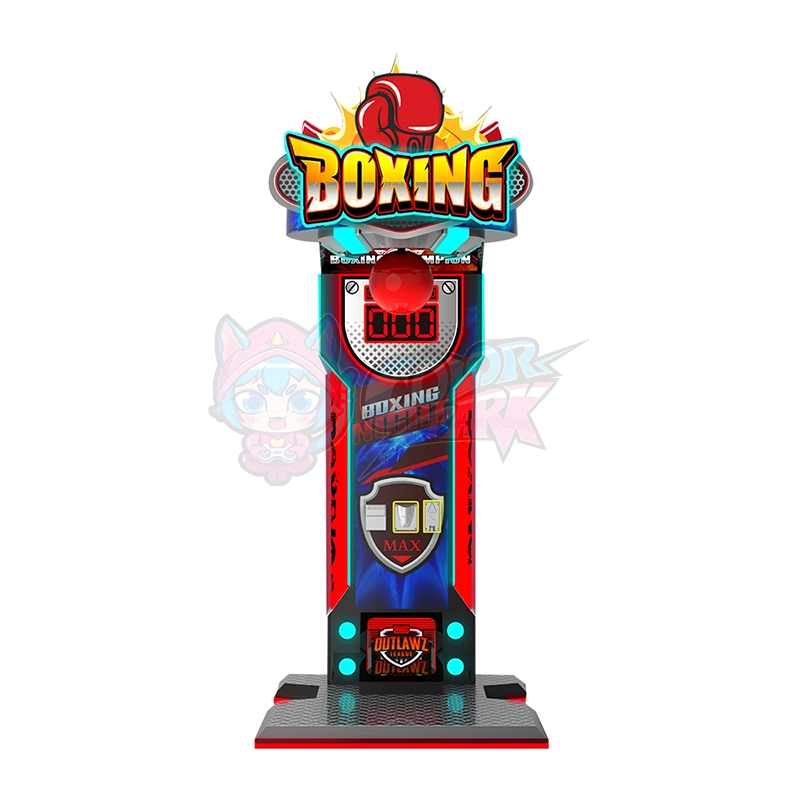
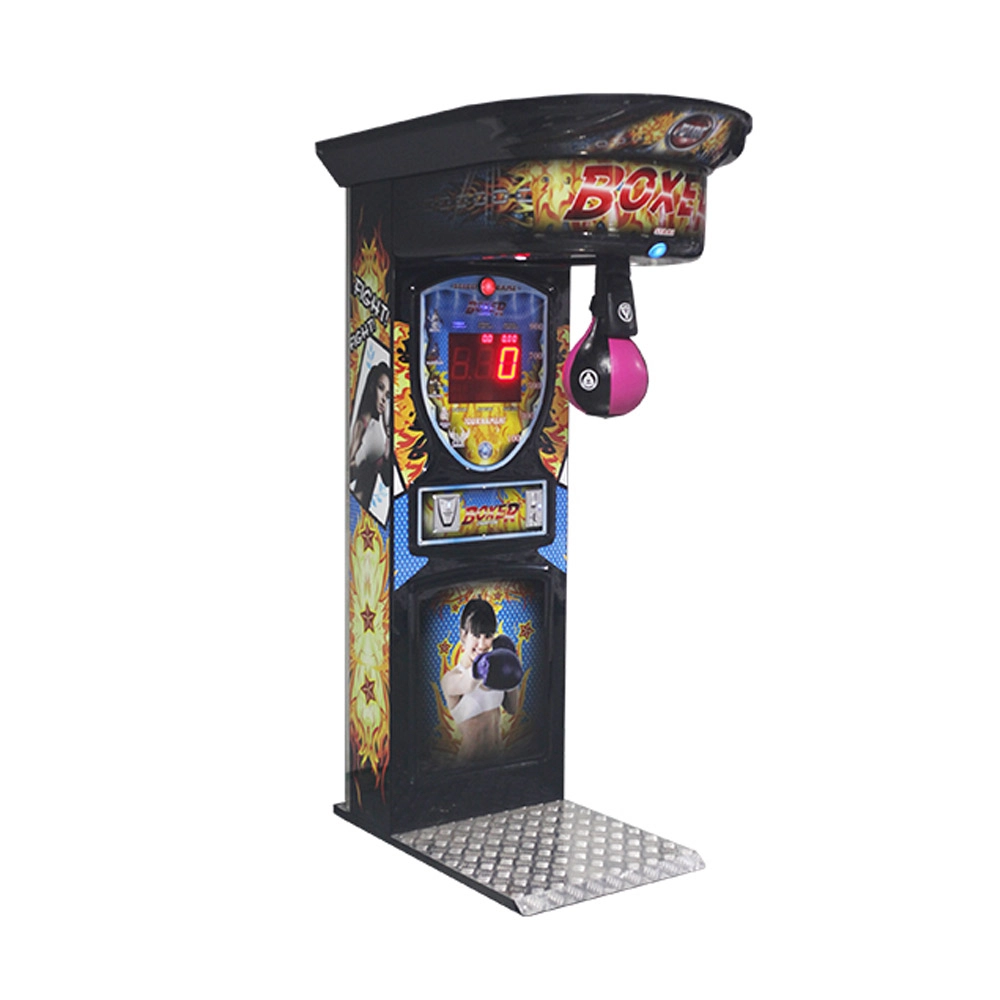
new customized logo good quality boxing arcade machine coin operated boxes game boxing machine music boxing machine
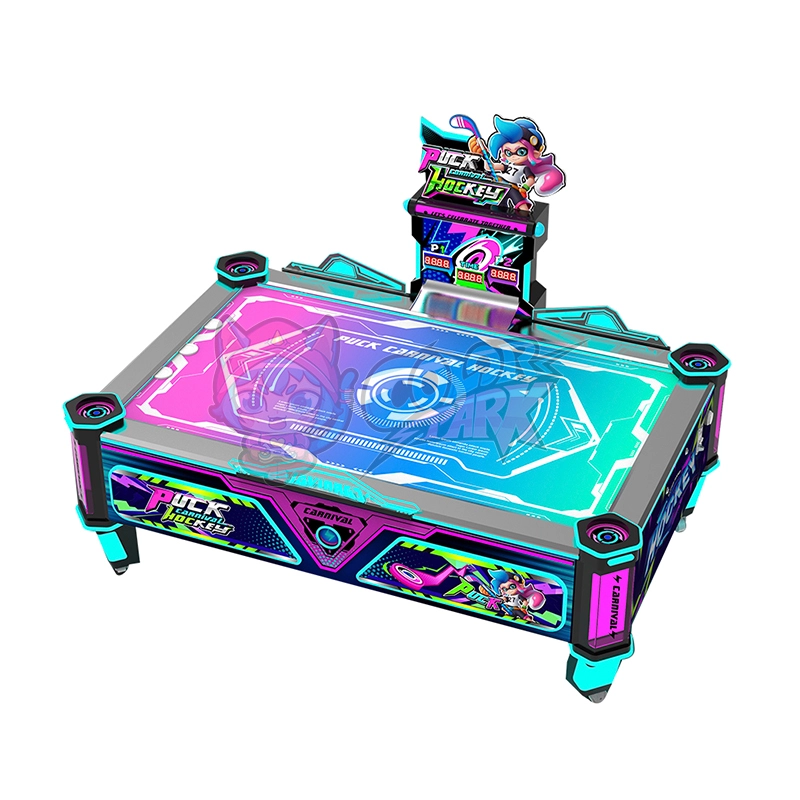
Hot selling indoor amusement ride coin-operated arcade machine new design air hockey 2026
Looking for More Insights? Reach Out to Us for Clarity.
Colorful Park
Colorful Park
Colorful Park
Colorful Park
Whatsapp: +8613538150631