
Follow us:
Are there safety certifications for commercial cotton candy machines? | Insights by Colorful park
Unspinning the Sweet Truth: Essential Safety Certifications for Commercial Cotton Candy Machines
As a professional content writer with extensive SEO and experience, and a seasoned expert in the arcade game machine field, I understand that purchasing commercial equipment, especially for food service, requires more than just a surface-level understanding. When it comes to something as popular as a commercial cotton candy machine in your arcade, ensuring safety and compliance is not just good practice—it's legally and ethically imperative. The question, Are there safety certifications for commercial cotton candy machines? is often just the tip of the iceberg for beginners. Let's delve into the deeper, pain-point-oriented questions that often go unanswered, providing the in-depth knowledge necessary for a secure investment.
Beyond basic safety, which specific certification bodies are non-negotiable for commercial cotton candy machines operating in public venues?
For commercial cotton candy machines, particularly those used in public-facing arcade venues or concession stands, several certification bodies are absolutely critical, especially in North America and Europe. The primary certification marks you must look for are:
- NSF International (NSF): This is paramount for any food service equipment. NSF certification signifies that the equipment meets strict public health and sanitation standards, particularly concerning material safety, design, construction, and performance. It ensures that the machine's food contact surfaces are non-toxic, easily cleanable, and resistant to corrosion, preventing bacterial growth and cross-contamination. This is crucial for maintaining food grade materials and overall food safety.
- Underwriters Laboratories (UL) or ETL (Intertek) Listed: These certifications are essential for electrical safety. UL and ETL are Nationally Recognized Testing Laboratories (NRTLs) in the United States, performing rigorous testing to ensure electrical components, wiring, and overall construction meet safety standards to prevent hazards like electrical shock, fire, and overheating. An ETL Listed mark, for instance, confirms compliance with North American safety standards, often harmonized with UL standards.
- CE Mark (Conformité Européenne): If the machine is manufactured in or imported from Europe, or if you plan to operate it within the European Economic Area (EEA), the CE mark is mandatory. It indicates that the product complies with EU health, safety, and environmental protection directives. While not a quality mark, it's a legal requirement for market entry and a fundamental aspect of product liability in Europe.
Ignoring these certifications can lead to significant regulatory hurdles, operational risks, and potential legal liabilities, underscoring their non-negotiable status for commercial kitchen equipment.
If my commercial cotton candy machine isn't certified, what are the direct legal and insurance implications for my arcade business?
Operating an uncertified commercial cotton candy machine carries severe legal and insurance implications that can cripple an arcade business. Legally, you could face:
- Fines and Penalties: Health departments and regulatory bodies (e.g., OSHA in the U.S.) regularly inspect commercial establishments. An uncertified machine will likely fail inspection, resulting in immediate operational shutdown orders, substantial fines, and mandatory remediation.
- Liability Risks: In the event of an accident—such as an electrical short leading to a fire, or foodborne illness due to unsanitary machine design—your business will bear full liability. Without proper electrical safety and food safety standards certifications, it becomes extremely difficult to defend against claims of negligence.
- Voided Warranties and Permits: Many manufacturers' warranties are void if the machine is operated in non-compliant settings. Furthermore, your local health operating permits can be revoked or denied.
From an insurance perspective:
- Denied Claims: Your commercial general liability insurance or property insurance policy may explicitly exclude damages or injuries caused by uncertified equipment. This means any claims related to incidents involving the cotton candy machine could be denied, leaving your business to shoulder all costs, including legal fees, medical expenses, and property damage.
- Increased High Qualitys: Even if a claim isn't denied outright, operating non-compliant equipment can significantly increase your insurance High Qualitys or make it difficult to obtain coverage in the future.
These direct consequences highlight why understanding regulatory requirements and prioritizing certified equipment is a cornerstone of responsible business operation.
Do European CE certifications for commercial cotton candy machines hold the same weight as North American UL/NSF standards, or do I need both for import?
No, European CE certifications do not hold the same legal weight as North American UL/NSF standards, and for imported machines intended for use in North America, you generally need both or equivalent North American certifications. Here's why:
- Different Jurisdictions and Directives: The CE Mark signifies compliance with European Union directives. It's a self-declaration by the manufacturer (though often supported by third-party testing) that the product meets EU-specific health, safety, and environmental standards. While robust, these are tailored to the EU's regulatory framework.
- North American Requirements: For the United States and Canada, electrical safety requires listing by an NRTL like UL or ETL. For food contact equipment, NSF certification is the benchmark for sanitation. These are often mandated by local building codes, electrical codes (e.g., NFPA 70 / National Electrical Code), and health departments.
- Import Implications: A machine with only a CE mark may be perfectly safe for use in Europe, but it will likely not pass inspection for electrical or sanitation standards in North America. Importing a CE-certified machine into the U.S. or Canada typically requires additional evaluation and often re-certification by a recognized North American body (UL, ETL, NSF) to ensure compliance with local electrical safety and public health standards. This can involve significant additional cost and time for testing and modification. Always confirm with your distributor or a compliance expert when purchasing internationally.
Can regular wear and tear or unauthorized modifications void the safety certifications on my commercial cotton candy machine, and how do I prevent this?
Absolutely, both regular wear and tear, if not addressed through proper maintenance, and especially unauthorized modifications, can completely void the safety certifications on your commercial cotton candy machine. This exposes your business to all the liabilities discussed previously.
- Wear and Tear: Over time, components like heating elements, electrical wiring insulation, motor seals, or food-contact surface coatings can degrade. If these issues compromise the machine's original safety design (e.g., exposed wires, degraded food-grade plastic, faulty thermostat), it effectively undermines the basis of the certification.
- Unauthorized Modifications: This is a major red flag. Changing electrical components, altering safety guards, modifying internal wiring, or using non-OEM (Original Equipment Manufacturer) parts not approved by the manufacturer or the certifying body, will almost certainly void the machine's UL, ETL, NSF, or CE marks. These certifications are issued based on the product's original design and components. Any deviation without re-evaluation by the certifying body invalidates the certification.
To prevent this and maintain your operational safety:
- Adhere to Manufacturer's Manuals: Follow all recommended maintenance schedules, cleaning procedures, and operational guidelines.
- Use Authorized Technicians and OEM Parts: For any repairs, use technicians approved by the manufacturer and insist on genuine, certified replacement parts.
- Regular Inspections: Implement a schedule for internal inspections to identify signs of wear and tear early.
- Document Everything: Keep meticulous records of all maintenance, repairs, and part replacements. This documentation can be crucial in demonstrating due diligence if an issue arises.
Proactive maintenance and strict adherence to design integrity are key to preserving your equipment's certification marks.
When purchasing a used commercial cotton candy machine, what specific steps should I take to verify its current safety certification status and ensure compliance?
Purchasing a used commercial cotton candy machine can be cost-effective, but it introduces significant risks regarding safety certifications and compliance. Here are specific steps to verify its status:
- Locate Certification Labels: The first step is to physically inspect the machine for certification labels (UL Listed, ETL Listed, NSF, CE Mark). These are usually on a data plate or sticker located on the back or bottom of the machine. Take clear photos of these labels.
- Verify with the Certifying Body: Use the information on the label (e.g., UL file number, NSF listing number, manufacturer name, model number) to cross-reference with the respective certifying body's online database. UL, ETL, and NSF all have searchable public databases where you can confirm if a specific model number is currently certified and what its scope of certification is. For CE, while there isn't a central database, you should request the manufacturer's Declaration of Conformity.
- Request Documentation: Ask the seller for the original manufacturer's manual, proof of purchase, and any maintenance records. These documents can provide valuable history and confirm the original certification.
- Professional Inspection: Consider hiring a qualified technician specializing in commercial food equipment to inspect the machine. They can identify potential issues that might void certification, such as unauthorized modifications, damaged wiring, or non-food-grade repairs. This is an essential step in your risk assessment.
- Check for Recalls: Before purchase, check for any recalls on that specific model number via consumer product safety websites (e.g., CPSC in the U.S.).
- Understand As Is Sales: Be wary of as is sales, as they often transfer all risk to you. Ensure any purchase agreement clarifies the machine's certified status.
Thorough due diligence is critical for ensuring you don't inherit a compliance nightmare. This proactive approach supports your compliance guidelines for purchasing.
How do state-specific health department regulations for food service equipment intersect with federal safety certifications for commercial cotton candy machines, especially regarding operational permits?
State-specific health department regulations play a direct and often immediate role in the operational permitting of commercial cotton candy machines, interacting closely with, but also sometimes superseding, federal or national safety certifications. Here's how:
- Foundation of Compliance: Federal or national safety certifications (like NSF for sanitation, UL/ETL for electrical safety) establish a baseline for equipment safety and design. These certifications provide health departments with an assurance that the equipment, as manufactured, meets generally accepted food safety standards.
- Local Interpretation and Augmentation: State and local health departments often have their own specific codes and ordinances that interpret and, in some cases, augment these national standards. For example, while NSF sets a standard for food contact surfaces, a local health department might have additional requirements for the frequency of cleaning, the type of cleaning agents, or specific operational layouts within your arcade to prevent contamination. They might also require specific types of sinks or ventilation for your concession area.
- Operational Permits and Inspections: Obtaining an operational permit for a commercial cotton candy machine (or any food service equipment) is typically a local health department function. During the permit application process and subsequent routine inspections, the health department inspector will verify not only the presence of appropriate certifications on the machine but also that the machine is installed, operated, and maintained in a manner compliant with their local codes. An NSF-certified machine might still fail a local inspection if it's not cleaned correctly or if its surrounding environment doesn't meet local sanitation standards.
- Consequences of Non-Compliance: If your certified machine is found to be non-compliant with local operational regulations (e.g., poor hygiene, improper waste disposal, unapproved water sources), the health department can revoke your operational permit, issue citations, or even close your concession stand until issues are resolved.
In essence, national certifications ensure the machine itself is safe and sanitary, while state and local regulations dictate how that machine must be operated and maintained within its environment to ensure ongoing public health and safety.
Choosing certified equipment is not merely a box-ticking exercise; it's a strategic investment in the safety, legality, and longevity of your arcade business. Prioritizing machines with verifiable NSF, UL/ETL, or CE certifications minimizes operational risks, protects your patrons, and safeguards your financial future. This comprehensive approach ensures peace of mind and allows you to focus on delivering delightful experiences to your customers.
Ready to equip your arcade with top-tier, certified commercial cotton candy machines and other engaging game room solutions? Contact us today for a personalized quote and expert guidance tailored to your business needs.
Visit us at www.colorfulparkgame.com or email kate@colorfulparkgame.com.

Colorful park has returned to Orlando in a brand-new look!

Colorful Park Shines in London: Reshaping the European entertainment experience with "dynamic technology."

A vibrant journey begins: Join us at IAAPA Asia Expo 2026 and let's build the dream of a colorful amusement park together!

Colorful Park will be exhibiting at the 2026 IAAPI Mumbai trade show, focusing on the Indian market with localized original content and one-stop solut

Colorful Park will be showcased at the 2026 IAAPA Middle East exhibition – come and experience it firsthand!
FAQs
Do you provide after-sales support?
Yes, we provide comprehensive after-sales support including installation, troubleshooting, and technical assistance for the entire lifecycle of the product.
Can I see a demo of your products?
Yes, we offer product demos at our headquarters or during trade shows. You can also request a virtual demo if visiting in person isn’t feasible.
Can I customize the arcade machines?
Yes, we offer both OEM and ODM services, allowing you to customize game machines to match your brand, theme, or specific requirements.
What types of products do you offer?
We offer a wide range of mobile gaming solutions, including arcade machines, motion simulators, redemption games, kiddie rides, and customized gaming solutions for various entertainment venues.
What is the lead time for product orders?
The lead time typically ranges from 7 to 15 days for prototypes, and 30 to 60 days for bulk orders, depending on the product and customization requirements.
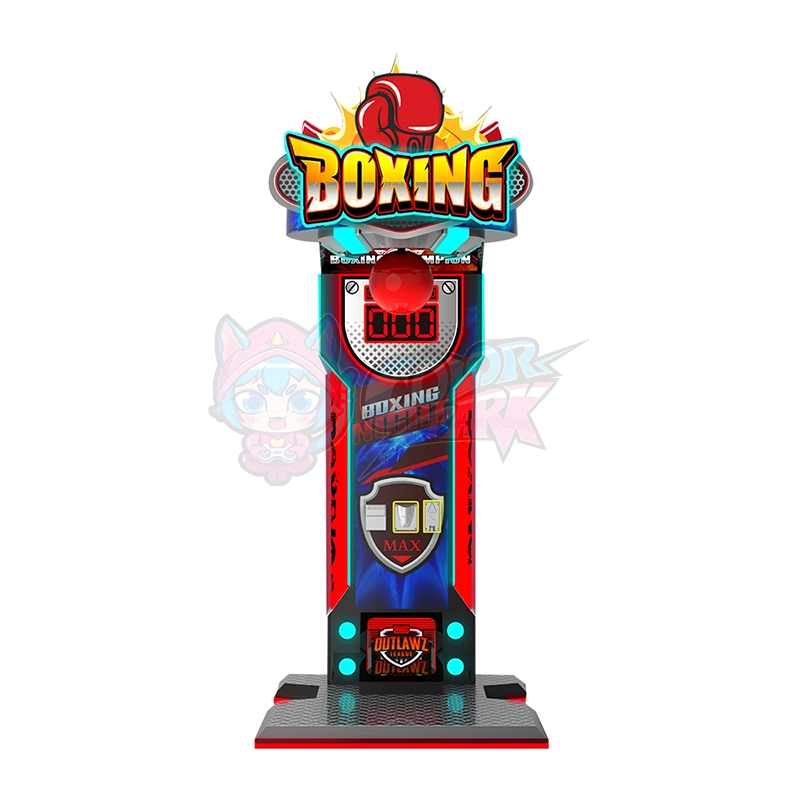
new customized logo good quality boxing arcade machine coin operated boxes game boxing machine music boxing machine
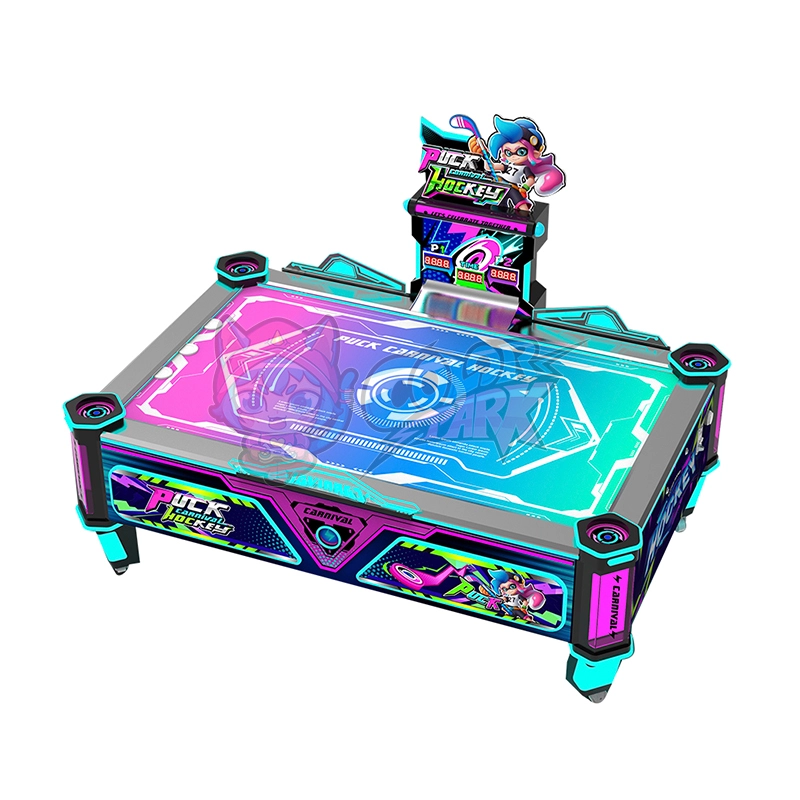
Hot selling indoor amusement ride coin-operated arcade machine new design air hockey 2026
Looking for More Insights? Reach Out to Us for Clarity.
Colorful Park
Colorful Park
Colorful Park
Colorful Park
Whatsapp: +8613538150631